Key Takeaways
- •Documentary spotlights multi‑generational health impacts of nuclear test fallout.
- •Features six global communities: US, UK, Japan, Marshall Islands, Australia, Kazakhstan.
- •Activist Alan Owen's Labrats links atomic veterans with worldwide survivors.
- •Governments kept testing off‑site, leaving local populations to bear consequences.
- •Film aims to raise awareness and push for compensation for victims.
Pulse Analysis
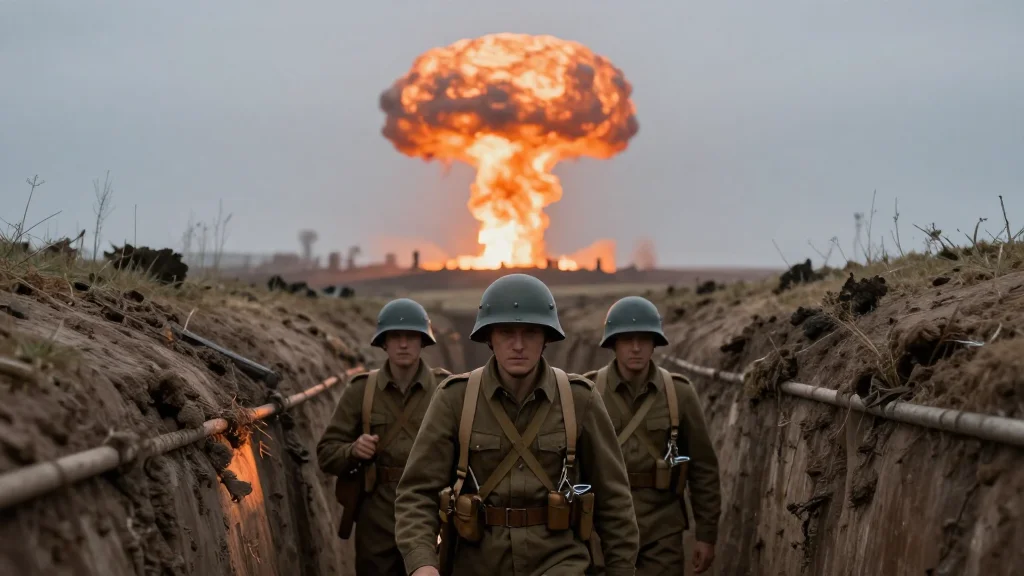
The resurgence of interest in nuclear‑test survivors reflects a broader reckoning with Cold‑War era policies that were once shrouded in secrecy. While declassified archives have gradually emerged, the human stories behind the data remain underreported. By weaving together testimonies from former soldiers, hibakusha, Marshallese, and Australian Indigenous groups, the documentary illustrates how radiation exposure transcends borders and generations, creating a pattern of chronic illness, birth defects, and socioeconomic marginalization. This cross‑continental perspective challenges the conventional narrative that nuclear fallout was a distant, historical footnote, positioning it instead as an ongoing public‑health crisis.
From a policy standpoint, the film arrives at a pivotal moment as several governments confront legacy claims for nuclear‑test victims. The United States, United Kingdom, and France have faced lawsuits and compensation programs, yet many affected communities—particularly in Kazakhstan, the Marshall Islands, and remote Australian sites—still lack adequate redress. By highlighting the bureaucratic burden of proof placed on survivors, the documentary underscores the need for standardized, internationally coordinated compensation frameworks. Advocacy groups like Labrats are leveraging this heightened visibility to lobby for legislative reforms that would streamline claims and provide health monitoring for future generations.
Culturally, the documentary’s intimate storytelling technique—focusing on individual narratives to represent a million‑person impact—offers a powerful tool for public engagement. Audiences are more likely to empathize with a single face than abstract statistics, a strategy that can galvanize grassroots support and media coverage. As streaming platforms expand their documentary catalogs, "Our Planet, The People, My Blood" has the potential to reach a global audience, sparking conversations about nuclear ethics, environmental justice, and the moral obligations of former nuclear powers. Its release may catalyze renewed pressure on policymakers to acknowledge and remediate the long‑shadow effects of atomic testing.
The destroyer of worlds by Jennie Kermode
Comments
Want to join the conversation?