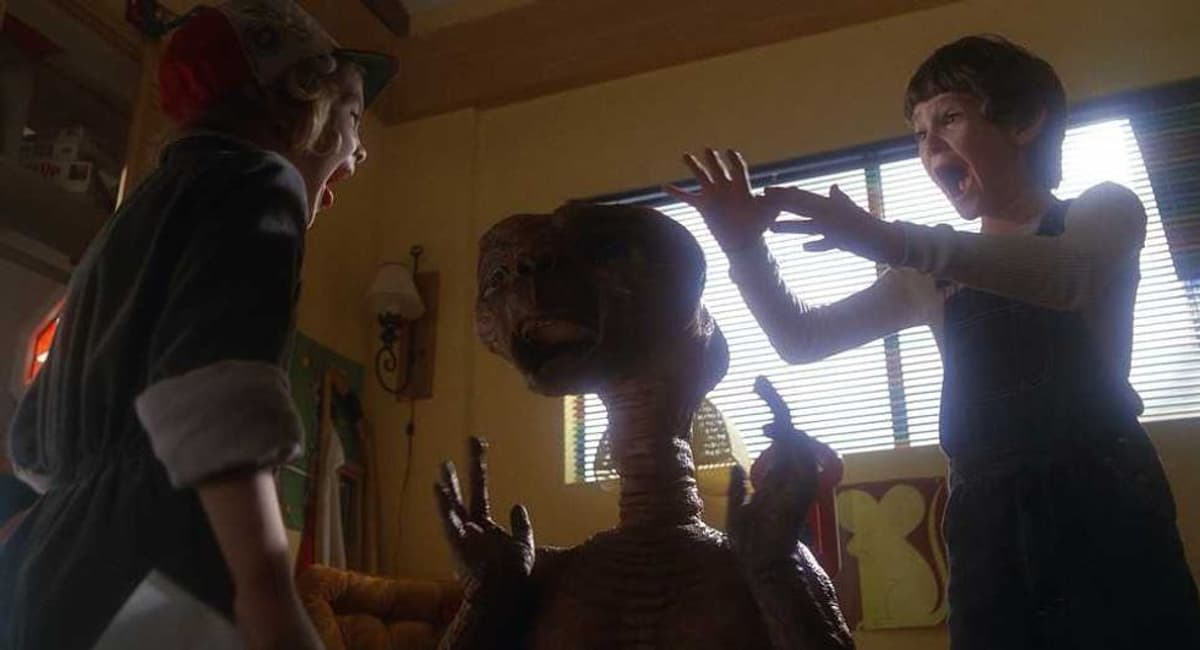
Why Steven Spielberg Fought to Keep 'E.T.' A Standalone Film
Key Takeaways
- •Spielberg secured “the freeze” after E.T.'s box‑office success
- •He rejected the dark “E.T. II: Nocturnal Fears” treatment
- •Protecting a film’s original tone preserves its cultural impact
- •Filmmakers should negotiate sequel approval clauses in contracts
- •A standalone masterpiece can outweigh potential franchise profits
Pulse Analysis
When "E.T.: The Extra‑Terrestrial" exploded at the box office in 1982, it not only cemented Steven Spielberg’s reputation as a blockbuster auteur but also granted him a rare contractual lever known as “the freeze.” This clause gives a director the authority to block studio‑initiated sequels that could dilute the original work. Spielberg’s newfound control emerged directly from the film’s $792 million worldwide gross (adjusted to roughly $2.2 billion today), turning a creative triumph into bargaining power that few filmmakers enjoy.
The momentum behind a sequel was strong enough that Spielberg and screenwriter Melissa Mathison drafted a nine‑page treatment titled "E.T. II: Nocturnal Fears." Rather than extending the heart‑warming suburban adventure, the script veered into horror, featuring hostile alien cousins and a kidnapping plot. Spielberg ultimately dismissed the concept, arguing that the darkness would betray the original’s emotional closure. By abandoning the treatment, he demonstrated that preserving tonal integrity can outweigh the lure of additional box‑office receipts, reinforcing the idea that some stories are meant to end on their own terms.
Spielberg’s stand has become a case study for creators navigating today’s franchise‑driven market. As studios increasingly treat hits as proof‑of‑concept for multi‑film universes, negotiating sequel‑approval rights—or “the freeze”—can safeguard artistic vision and long‑term brand equity. Emerging directors and independent producers are citing the E.T. example when drafting contracts, recognizing that a single, well‑crafted film can generate enduring cultural capital far beyond immediate sequel revenues. Ultimately, the lesson underscores that strategic restraint, not relentless expansion, often preserves both legacy and profitability.
Why Steven Spielberg Fought to Keep 'E.T.' a Standalone Film
Comments
Want to join the conversation?