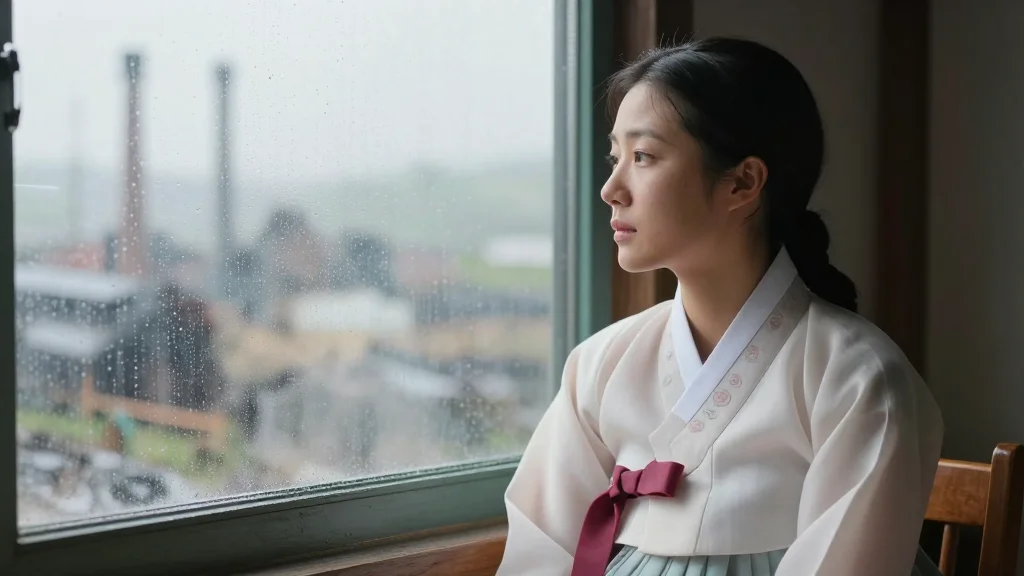
Yeong-Ja’s Heydays (1975) by Kim Ho-Sun Film Review
Key Takeaways
- •360,000 viewers in 1975, outdrawing Hollywood's "The Sting"
- •Film exposes lower‑class struggles amid South Korea’s 1970s industrial boom
- •Vietnam War’s draft pressures shape protagonists’ desperate choices
- •Yeom Bok‑sun delivers a versatile, emotionally resonant lead performance
- •Recent screenings revive interest in 1970s Korean melodrama heritage
Pulse Analysis
When "Yeong‑ja’s Heydays" hit theaters in 1975, it tapped a deep‑seated Korean appetite for melodrama, pulling an estimated 360,000 ticket buyers and even eclipsing the then‑top foreign title, "The Sting." The film’s box‑office triumph reflected a broader trend: domestic productions that combined heightened emotion with relatable social issues could dominate a market still saturated with imported Hollywood fare. Its success cemented the melodrama as a staple of 1970s Korean cinema, a genre that resonated with audiences navigating rapid urbanization and shifting cultural norms.
Beyond its sentimental core, Kim Ho‑sun’s direction embeds a stark commentary on the era’s socioeconomic turbulence. The protagonists’ misfortunes—Yeong‑ja’s exploitation, loss of an arm, and descent into prostitution—mirror the precarious existence of South Korea’s working class amid aggressive industrial growth. Simultaneously, the looming Vietnam War draft forces Chang‑soo into conflict, underscoring how geopolitical pressures compounded personal hardship. By weaving these threads, the film offers a vivid portrait of a society caught between modernization ambitions and the human cost of rapid change.
The recent inclusion of "Yeong‑ja’s Heydays" in the Film at Lincoln Center’s "Korean Cinema’s Celluloid Fever: The 1970s" series has sparked renewed scholarly and public interest. Critics highlight Yeom Bok‑sun’s chameleon‑like performance and Song Jae‑ho’s earnest counterpart, while cinematographer Jang Seok‑jun’s night‑time visuals and Jeong Sung‑jo’s evocative score receive fresh praise. This revival not only reintroduces classic Korean melodrama to new audiences but also prompts reflection on how historical narratives of class struggle and wartime anxiety continue to echo in contemporary Korean storytelling.
Yeong-ja’s Heydays (1975) by Kim Ho-sun Film Review
Comments
Want to join the conversation?