48 Years Later, This Remake of the Greatest Noir Thriller Ever Hasn't Aged Well
Why It Matters
The flop underscores how altering a classic’s cultural context and casting can alienate core audiences, warning studios that reverence for the script must be paired with appropriate tone and talent to succeed in high‑profile remakes.
Key Takeaways
- •1978 remake shifts setting from LA to 1970s London.
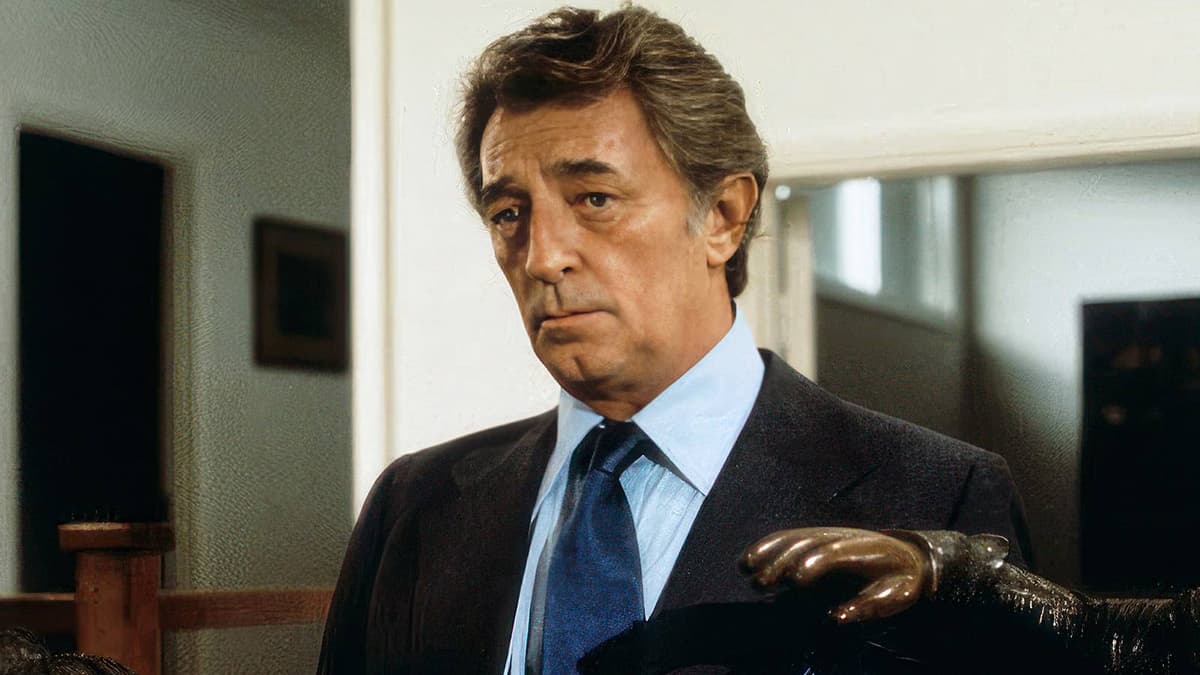
- •Robert Mitchum, age 60, miscasts Philip Marlowe.
- •Film follows Chandler novel closely but feels dull and flat.
- •Critics panned it; audience scores remain low on Rotten Tomatoes.
- •Bogart's 1946 version remains definitive noir classic.
Pulse Analysis
Remaking a celebrated noir like *The Big Sleep* is a high‑stakes gamble. In the 1970s, studios were eager to revive classic properties for new audiences, banking on name recognition to drive box‑office returns. Winner’s decision to transplant Chandler’s gritty Los Angeles tale to a London backdrop was intended to modernize the story, yet it stripped away the distinctly American underworld that fuels the novel’s tension. The move illustrates a broader industry lesson: geographic and cultural shifts must enhance, not dilute, the source material’s core identity.
Casting choices further sabotaged the remake. Robert Mitchum, though a seasoned noir actor, was sixty when he assumed the role of a mid‑30s private eye. His performance lacked the razor‑sharp charisma of Humphrey Bogart, rendering Marlowe’s world‑weary edge flat. Coupled with a muted visual style that failed to capture the chiaroscuro lighting essential to classic noir, the film felt more like a procedural than a suspense‑driven thriller. Critics highlighted these deficiencies, noting that faithful dialogue could not compensate for a misaligned tone and uninspired cinematography.
The legacy of the 1978 *Big Sleep* serves as a caution for contemporary studios eyeing legacy remakes. Audiences today demand both reverence for iconic narratives and fresh, context‑appropriate storytelling. Successful revivals, such as recent noir‑inspired series, balance homage with innovation, preserving the original’s spirit while updating its aesthetic. The failure of Winner’s version reinforces that a remake must respect the cultural DNA of its source and align casting, setting, and visual language to resonate with both longtime fans and new viewers.
48 Years Later, This Remake of the Greatest Noir Thriller Ever Hasn't Aged Well
Comments
Want to join the conversation?
Loading comments...