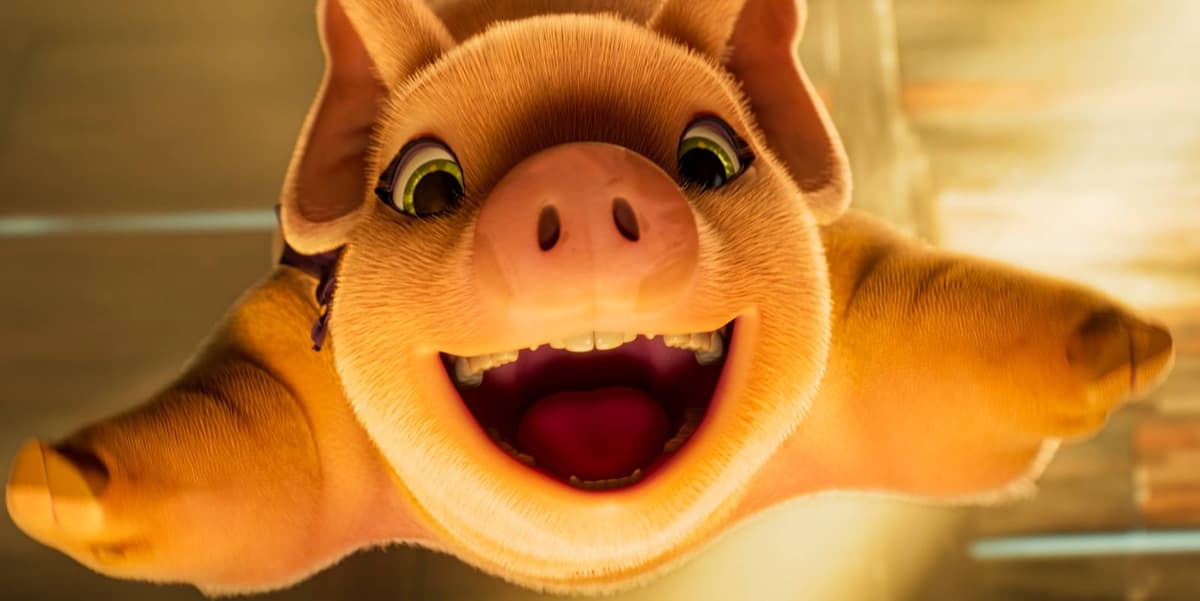
Andy Serkis Defends His Animal Farm Movie as What Orwell Wanted
Why It Matters
The film tests how far classic literature can be reshaped for contemporary, multigenerational audiences, influencing future adaptation strategies and cultural discourse.
Key Takeaways
- •Andy Serkis releases animated *Animal Farm* with rap, sci‑fi, fart jokes.
- •Critics split: some praise bold updates, others call it tonal nightmare.
- •New happy third act aims to engage younger audiences with Orwell’s themes.
- •Serkis frames controversy as fulfilling Orwell’s intent to spark debate.
- •Film opens May 1, targeting multigenerational viewership.
Pulse Analysis
The decision to reimagine Orwell’s stark allegory as a high‑energy animated feature reflects a broader industry shift toward revitalizing literary classics for modern screens. Andy Serkis, known for his motion‑capture performances, leverages his cinematic pedigree to blend cutting‑edge animation with pop‑culture elements such as rap sequences and sci‑fi set pieces. This hybrid approach aims to lower the barrier for younger viewers while preserving the novel’s core political commentary, a balancing act that has sparked intense critical debate.
Serkis’s creative liberties—most notably an exaggerated fart gag and a hopeful ending—have polarized reviewers. Proponents argue that these choices inject humor and optimism, making the dystopian narrative more accessible to families and prompting intergenerational conversations about power and propaganda. Detractors contend that the tonal shift dilutes Orwell’s warning, turning a cautionary tale into a commercial spectacle. The controversy underscores a persistent tension in adaptation circles: fidelity to source material versus the need to resonate with contemporary audiences hungry for novelty and relatability.
From a business perspective, *Animal Farm*’s mixed reception could influence studio calculations on future literary adaptations. A successful box‑office run, despite critical split, would validate risk‑heavy reinterpretations and encourage studios to greenlight similarly audacious projects. Conversely, a lukewarm financial performance might reinforce caution, steering producers toward more conservative renditions. Either outcome will shape how Hollywood navigates the delicate interplay between artistic ambition, marketability, and the enduring appeal of classic narratives.
Andy Serkis defends his Animal Farm movie as what Orwell wanted
Comments
Want to join the conversation?
Loading comments...