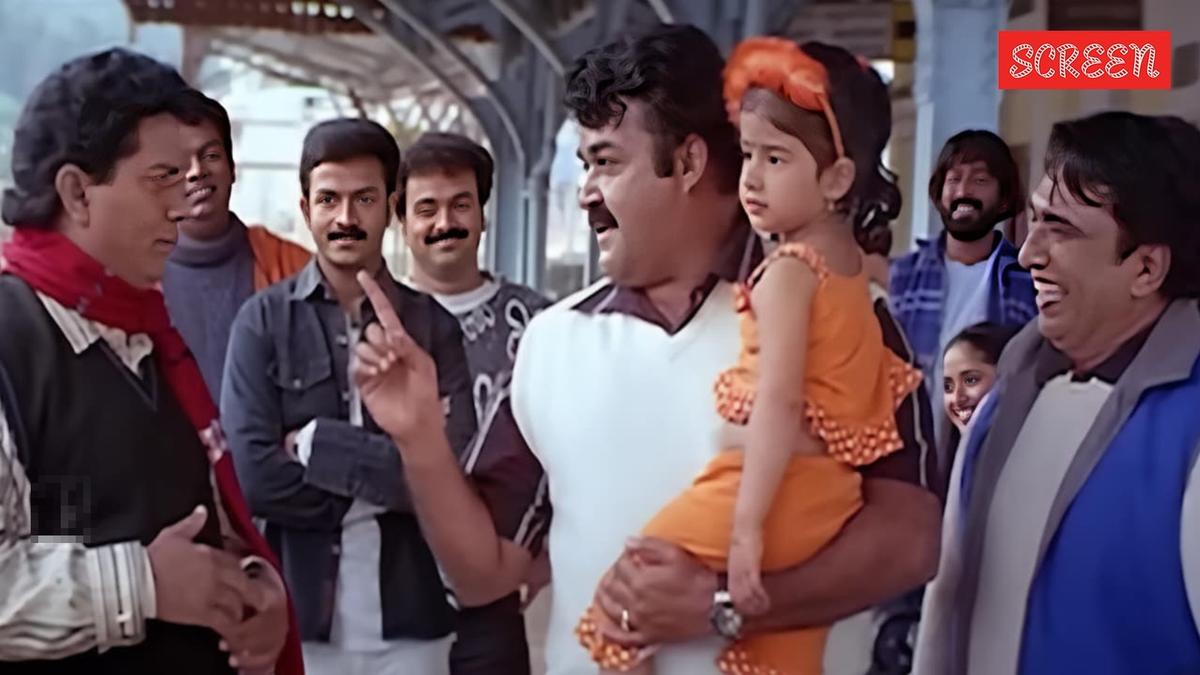
As Drishyam 3, Aadu 3 and Dhurandhar 2 Gear up for Release, Revisiting the Worst Malayalam Sequel Ever that Tarnished a Mohanlal-Priyadarshan Classic’s Legacy
•March 9, 2026
0
Why It Matters
Sequels dominate Malayalam box‑office forecasts, but a misstep can erode audience trust and diminish long‑term franchise value. Understanding past failures helps studios balance nostalgia with fresh storytelling.
Key Takeaways
- •Kilukkam Kilukilukkam failed despite original's iconic status
- •Reused jokes and characters without fresh storytelling
- •Upcoming sequels face heightened audience scrutiny
- •Successful sequels can revive franchise profitability
- •Poor sequels risk long‑term brand erosion
Pulse Analysis
Malayalam cinema has entered a sequel‑driven era, with producers banking on familiar characters to guarantee opening‑week revenue. While franchise continuity can reduce marketing costs and tap into built‑in fan bases, it also raises the bar for creative execution. Audiences now compare new installments directly against beloved originals, making any perceived shortfall a potential backlash that spreads across social media and impacts subsequent releases.
Kilukkam Kilukilukkam serves as a cautionary case study. The 2006 film lifted dialogue, character arcs, and even cameo appearances from the 1991 classic without adding substantive narrative depth. Critics pointed to its formulaic humor, lack of situational authenticity, and the underutilisation of veteran talent like Mohanlal and Jagathy Sreekumar. By treating the sequel as a cash‑grab rather than a storytelling opportunity, the movie alienated fans and cemented its reputation as the worst Malayalam sequel, illustrating how brand equity can be quickly eroded.
The upcoming quartet—Drishyam 3, Aadu 3, Dhurandhar 2 and Vaazha 2—faces a dual challenge: honoring legacy while delivering fresh content that justifies audience investment. Successful sequels will likely blend the original’s thematic core with contemporary sensibilities, leveraging strong scripts and nuanced direction. Studios that ignore these lessons risk repeating Kilukkam Kilukilukkam’s fate, potentially dampening box‑office returns and weakening franchise longevity. Strategic risk‑management, therefore, is essential for sustaining Malayalam cinema’s growing sequel market.
As Drishyam 3, Aadu 3 and Dhurandhar 2 gear up for release, revisiting the worst Malayalam sequel ever that tarnished a Mohanlal-Priyadarshan classic’s legacy
0
Comments
Want to join the conversation?
Loading comments...