Cactus Pears: This Queer Romance From Rural India Is a Quiet Marvel
Why It Matters
The film expands LGBTQ representation by situating queer love in rural India, challenging the notion that such stories belong only to urban settings and signaling a shift in Indian indie cinema toward broader inclusivity.
Key Takeaways
- •Debut film blends queer love with Hindu mourning rituals
- •Director draws from personal grief after father’s death
- •Production spanned a decade; leads cast after three years
- •Cinematography highlights natural village life, avoids exoticism
- •UK release shows growing global appetite for Indian LGBTQ cinema
Pulse Analysis
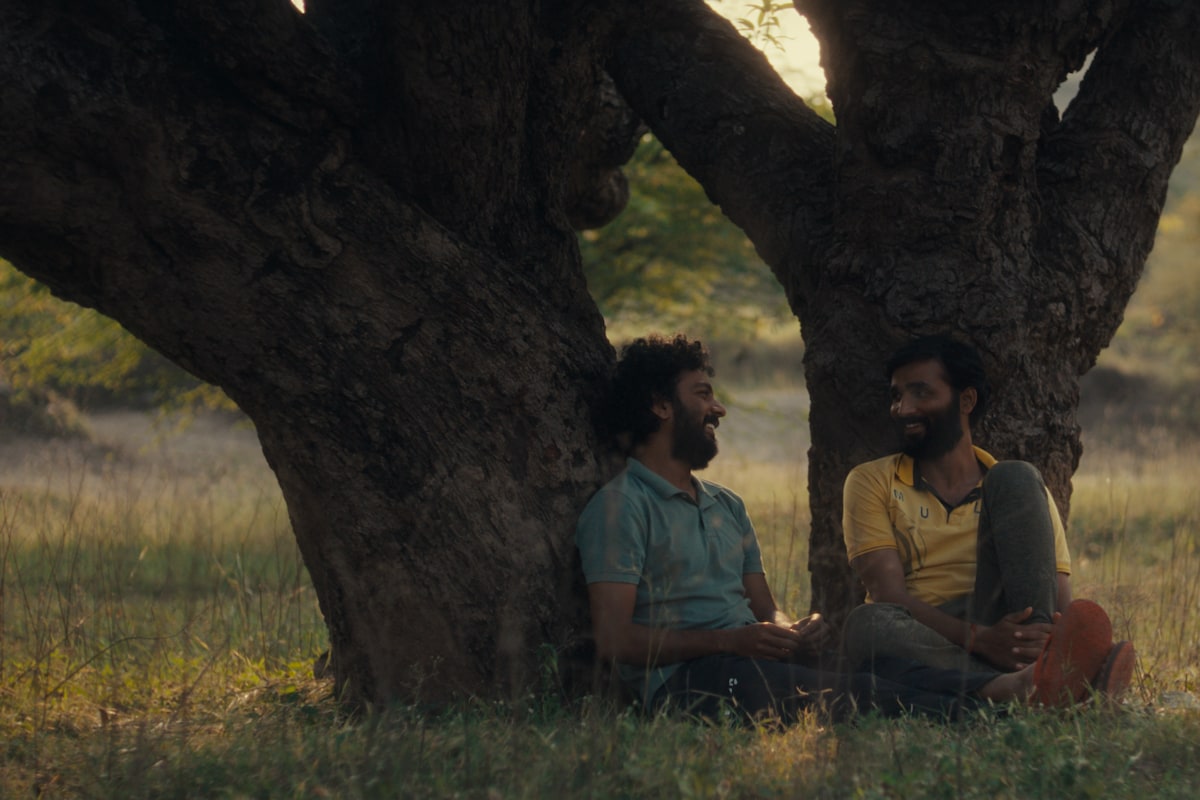
India’s queer cinema has long been anchored in metropolitan narratives, where anonymity can mask social stigma. Cactus Pears disrupts that pattern by placing a same‑sex romance in a remote Maharashtrian village, using the ten‑day funeral ritual as a structural backbone. This setting forces the characters to confront tradition head‑on, yet the film refrains from dramatizing conflict; instead, it normalizes desire as part of daily life, offering a nuanced counter‑point to the often sensationalized portrayals of Indian LGBTQ experiences.
Kanawade’s background in interior design informs the film’s visual language, with static frames that capture the arid landscape and modest architecture in a way that feels lived‑in. The narrative leans on subtle gestures—a shared glance, a whispered conversation—to convey the growing intimacy between Anand and Balya, while the ritualistic constraints (head shaving, limited meals) underscore the tension between personal grief and communal expectation. By avoiding overt confrontation with conservatism, the story invites viewers to see queerness as interwoven with cultural practices rather than an external intrusion.
The UK theatrical rollout highlights an expanding market for Indian LGBTQ stories beyond festival circuits. Distributors are recognizing that global audiences, especially in Europe and North America, are eager for authentic, regionally specific narratives that broaden the understanding of queer life worldwide. If Cactus Pears resonates with critics and audiences, it could pave the way for more indie filmmakers from non‑urban Indian contexts to secure international releases, accelerating a cultural shift toward inclusive storytelling across the subcontinent.
Cactus Pears: This Queer Romance From Rural India Is a Quiet Marvel
Comments
Want to join the conversation?
Loading comments...