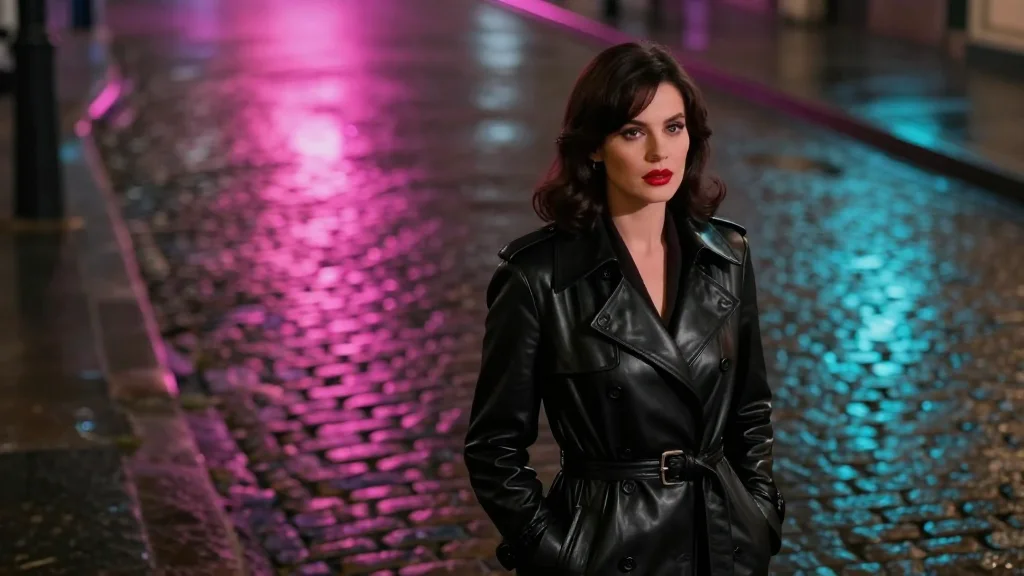
Cannes Review: Nicolas Winding Refn’s ‘Her Private Hell’ Dazzles Visually but Falters in Narrative

Why It Matters
"Her Private Hell" arrives at a moment when Cannes is scrutinizing the relevance of auteur‑driven spectacle in an era dominated by franchise blockbusters. The film’s polarizing reception highlights the festival’s role as a testing ground for high‑concept, visually driven projects that may struggle to find mainstream audiences. For Refn, the movie could either cement his status as a cult visionary or reinforce perceptions of self‑indulgence, influencing his ability to secure financing for future ventures. The broader industry takeaway is the reaffirmation that visual innovation alone cannot guarantee critical acclaim or commercial viability. Distributors and streaming platforms watching Cannes will weigh the film’s aesthetic strengths against its narrative shortcomings when deciding acquisition strategies, potentially shaping the types of genre‑blending projects that receive backing in the coming year.
Key Takeaways
- •Nicolas Winding Refn returns to Cannes after a ten‑year feature‑film hiatus
- •"Her Private Hell" blends giallo, neo‑noir and space‑opera elements
- •Critics praise the film’s neon‑soaked visuals but condemn its pretentious dialogue
- •Sophie Thatcher leads as a wealthy socialite; Charles Melton plays detective "Private K"
- •The film sparks debate over visual style versus narrative substance at Cannes
Pulse Analysis
Refn’s "Her Private Hell" illustrates a recurring pattern in festival cinema: directors leveraging high‑concept aesthetics to carve a niche in a market saturated with franchise tentpoles. Historically, Refn’s work has thrived on polarizing audiences—"Drive" and "Only God Forgives" were commercial disappointments but later achieved cult status thanks to their stylized violence and mood. This time, the gamble is amplified by a genre mash‑up that feels both nostalgic and avant‑garde. The film’s reception suggests that while Cannes remains a sanctuary for visual experimentation, the critical bar for narrative cohesion has risen, especially as streaming platforms demand content that can be marketed beyond the festival circuit.
From a business perspective, the film’s strong visual identity could make it an attractive acquisition for niche streaming services seeking distinctive branding, similar to how "The Neon Demon" found a home on platforms that cater to art‑house audiences. However, the lack of a compelling story may limit its shelf life and word‑of‑mouth potential, reducing its value compared to more balanced auteur pieces. Distributors will likely negotiate lower acquisition fees, betting on the film’s visual cachet to draw a limited but passionate viewership.
Looking ahead, Refn’s willingness to double‑down on style may inspire a new wave of directors to prioritize aesthetic risk over conventional storytelling, especially in festival environments that reward boldness. Yet the mixed reviews serve as a reminder that even the most visually arresting cinema must anchor itself in narrative purpose to achieve lasting impact. The industry will watch closely whether Refn’s next project adjusts this balance or continues to push the envelope, shaping the future of auteur‑driven genre cinema.
Cannes Review: Nicolas Winding Refn’s ‘Her Private Hell’ Dazzles Visually but Falters in Narrative
Comments
Want to join the conversation?
Loading comments...