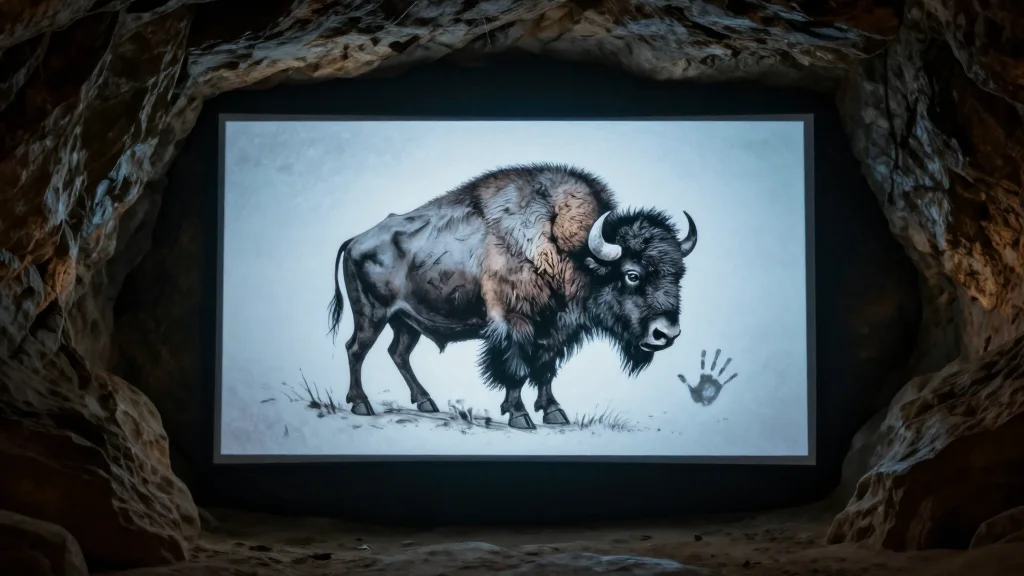
‘Cave of Forgotten Dreams’ Review: Werner Herzog’s Natural Museum in 3D
Why It Matters
The 6K IMAX re‑release demonstrates how high‑resolution restoration can monetize legacy documentaries, while also expanding public access to world‑heritage art.
Key Takeaways
- •IMAX theaters will screen 6K restoration starting April 24, 2026
- •Herzog's film reveals Chauvet Cave's 35,000‑year‑old paintings in 3D
- •6K digital scanning boosts visual fidelity beyond original 2010 release
- •Re‑release may lift niche documentary box‑office earnings
- •Planned public replica of Chauvet Cave could generate ancillary revenue
Pulse Analysis
Werner Herzog’s “Cave of Forgotten Dreams,” originally unveiled at the 2010 Toronto International Film Festival, has become a touchstone for documentary cinema, blending scientific inquiry with the director’s signature existential musings. The film’s focus on the Chauvet Cave—home to some of humanity’s oldest known artworks—offers a rare glimpse into prehistoric creativity, positioning the documentary as both an artistic achievement and an educational resource. As streaming platforms proliferate, the decision to re‑release the title in theaters underscores a growing appetite for event‑style screenings that deliver experiences impossible to replicate at home.
The upcoming 6K restoration leverages state‑of‑the‑art digital scanning and color grading to deliver unprecedented clarity and depth in IMAX’s 3D format. By upgrading the visual fidelity beyond the original 2010 transfer, the film can command premium ticket prices and attract audiences seeking immersive, museum‑like encounters. This technical upgrade aligns with a broader industry trend where studios invest in high‑resolution restorations of classic titles—think “Lawrence of Arabia” and “2001: A Space Odyssey”—to extend the commercial life of their libraries. For distributors, the IMAX re‑release represents a low‑risk revenue stream, tapping into both Herzog’s dedicated fan base and the niche market of documentary enthusiasts.
Beyond box‑office considerations, the re‑release dovetails with cultural initiatives, notably plans for a public replica of the Chauvet Cave. Such a replica could become a destination attraction, generating ancillary income through ticket sales, merchandise, and educational programming. By positioning the film as a cinematic gateway to the replica, stakeholders can create a synergistic ecosystem that blends cinema, tourism, and heritage preservation, illustrating how high‑tech film restoration can serve both profit and public‑interest goals.
‘Cave of Forgotten Dreams’ Review: Werner Herzog’s Natural Museum in 3D
Comments
Want to join the conversation?
Loading comments...