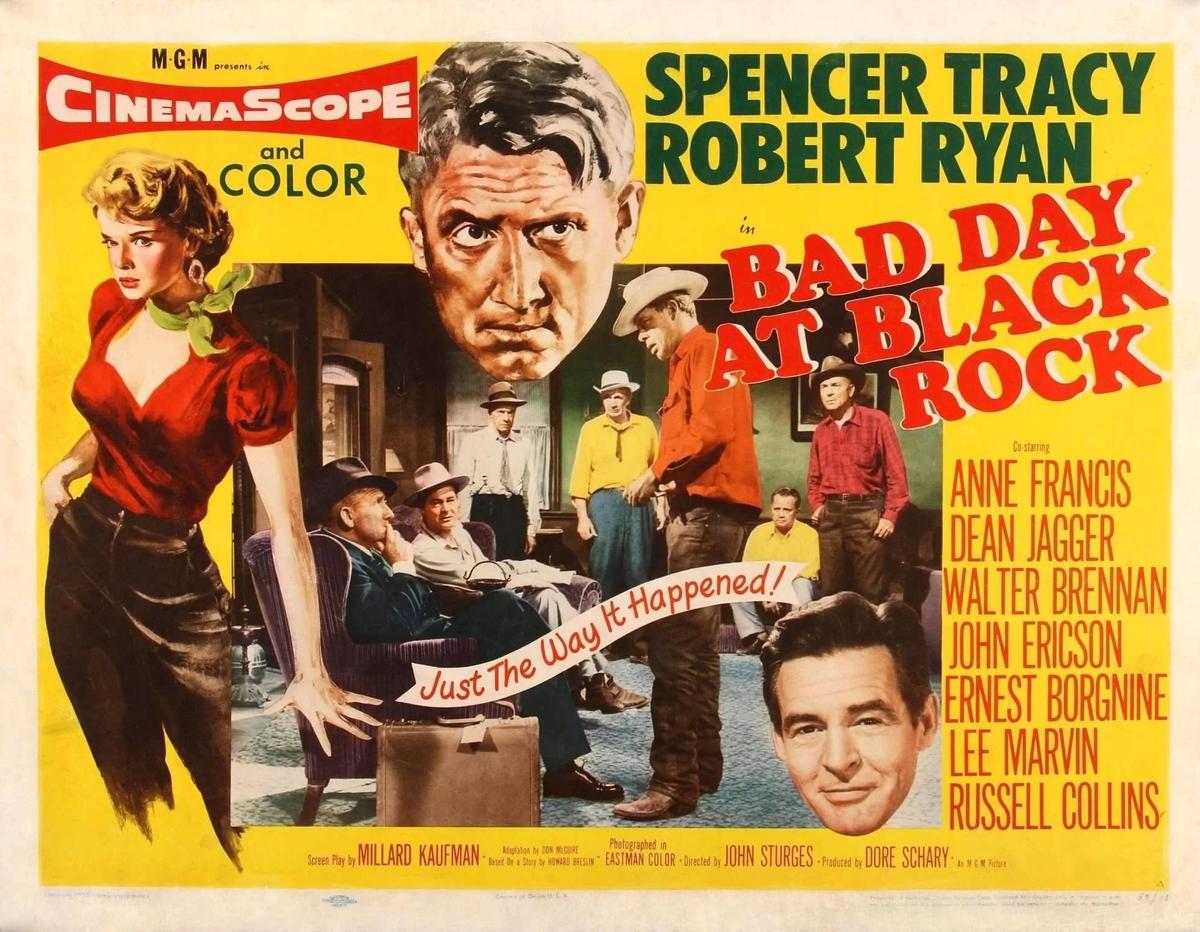
Key Takeaways
- •Spencer Tracy stars as war‑scarred Macreedy confronting town racism.
- •Film blends Western, noir, and anti‑racist allegory in 81 minutes.
- •First Hollywood use of Judo combat scene, symbolizing cultural reversal.
- •Sturges leveraged early CinemaScope to heighten isolation and tension.
- •Still relevant, reflecting modern debates on xenophobia and conformity.
Pulse Analysis
*Bad Day at Black Rock* arrived at a moment when America was still wrestling with the legacy of Japanese internment and the early Cold War’s suspicion of outsiders. By placing a lone veteran against a community that has erased a Japanese farmer’s existence, the film offers a thinly veiled critique of wartime hysteria and the broader culture of scapegoating. Critics at the time noted its allegorical resonance with the HUAC hearings, though director John Sturges denied any direct political intent. The narrative’s focus on personal honor versus collective denial gives it a timeless moral weight.
Technically, Sturges seized the nascent CinemaScope format—then reserved for biblical epics—to frame the stark Death Valley expanse, turning the wide screen into a character that amplifies Macreedy’s isolation. The choice to shoot on location at Lone Pine reinforced the visual metaphor of emptiness versus oppression. Moreover, the film’s Judo choke‑hold, executed by Tracy against Ernest Borgnine’s brute, is widely cited as Hollywood’s first portrayal of Asian martial arts, flipping cultural power dynamics and underscoring the protagonist’s moral resolve.
Decades later, the movie’s relevance endures. Its streaming debut on the Criterion Channel and Hoopla introduces new audiences to a concise, genre‑bending work that still mirrors today’s debates over immigration, racism, and the courage to confront communal denial. Sturges’s later successes—*The Great Escape* and *The Magnificent Seven*—often eclipse this early masterpiece, yet *Bad Day at Black Rock* remains a masterclass in economical storytelling, social critique, and visual innovation, cementing its place in both film history and ongoing cultural conversations.
Classic Corner: Bad Day at Black Rock
Comments
Want to join the conversation?