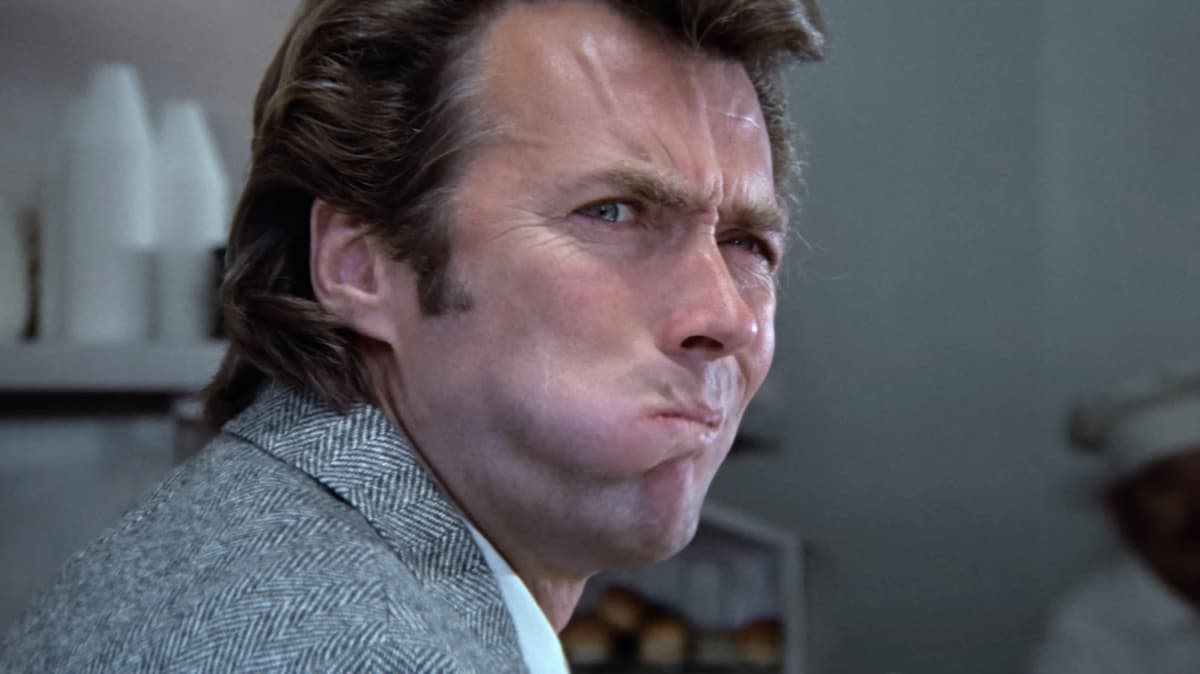
Clint Eastwood Pulled No Punches About One Of The Greatest War Movies Ever Made
Why It Matters
Eastwood’s critique underscores how even revered films can be contested for authenticity, influencing how studios balance artistic vision with historical fidelity. It also reinforces the impact of veteran actors’ opinions on legacy narratives within the film industry.
Key Takeaways
- •Eastwood called *The Deer Hunter* “indulgent” and historically inaccurate.
- •He criticized Cimino’s “unmotivated camera‑moving” and over‑symbolic ending.
- •Eastwood previously dismissed Leone and Kurosawa, showing blunt critique style.
- •*The Deer Hunter* won 5 Oscars but faced controversy over Vietnam portrayal.
- •Comments sourced from Paul Nelson’s 1979‑1983 interview book.
Pulse Analysis
Clint Eastwood’s candid assessment of *The Deer Hunter* offers a rare insider’s perspective on a film that has long been hailed as a war‑movie masterpiece. While the 1978 drama secured five Oscars, including Best Picture, Eastwood argued that its iconic Russian‑roulette sequence and overt symbolism distort the Vietnam experience. By calling the film “indulgent,” he spotlights a broader tension between cinematic dramatization and factual representation, a debate that continues to shape audience expectations and critical discourse.
Eastwood’s willingness to openly critique peers is not new; his early dismissals of Sergio Leone’s *The Colossus of Rhodes* and Akira Kurosawa’s *Dersu Uzala* illustrate a pattern of forthright honesty. This reputation for bluntness adds weight to his comments on Cimino, suggesting that his judgments stem from a seasoned filmmaker’s standards rather than personal bias. The interview excerpts, captured in Paul Nelson’s *Conversations with Clint*, reveal how Eastwood values narrative discipline and factual grounding over stylistic excess, a viewpoint that resonates with contemporary creators seeking authenticity.
The broader industry impact lies in how such high‑profile dissent can recalibrate a film’s legacy. While *The Deer Hunter* remains a staple on greatest‑war‑movie lists, Eastwood’s critique invites re‑examination of its cultural narrative and may influence future war‑film productions to prioritize realistic portrayals. For scholars, critics, and producers, the dialogue underscores the importance of balancing artistic ambition with responsible storytelling, a lesson that echoes across Hollywood’s evolving landscape.
Clint Eastwood Pulled No Punches About One Of The Greatest War Movies Ever Made
Comments
Want to join the conversation?
Loading comments...