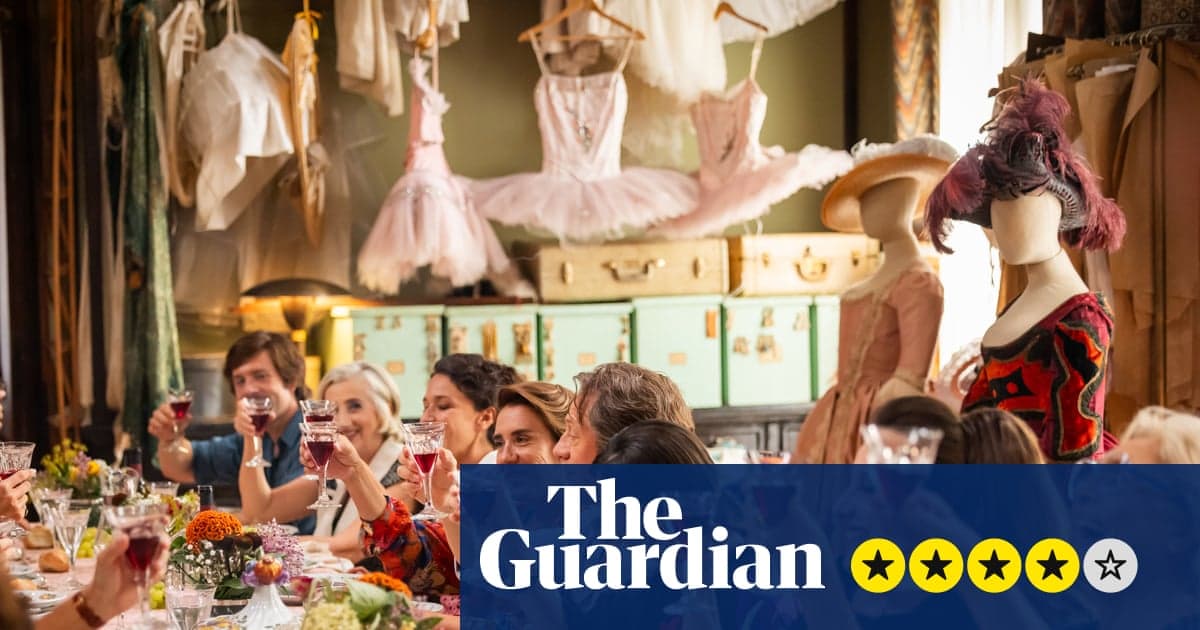
Diamanti Review – Luscious-Looking 1970s Costume Melodrama Is a Sumptuously Soapy Dramedy
Why It Matters
Diamanti spotlights the fashion‑industry labor behind period costuming, offering cultural visibility for women artisans and a fresh content hook for streaming services targeting niche, design‑savvy audiences.
Key Takeaways
- •Visually stunning 1970s Rome setting showcases elaborate period costumes
- •Director Ferzan Özpetek blends melodrama with queer‑female camaraderie
- •Costume design by Stefano Ciammitti draws inspiration from Milena Canonero
- •Film highlights challenges of balancing budget, deadlines, and artistic vision
- •Potential boost for niche streaming platforms seeking fashion‑centric content
Pulse Analysis
Ferzan Özpetek returns to the silver screen with Diamanti, a sumptuous period piece that doubles as a love letter to the hidden world of costume ateliers. Set against the sun‑drenched streets of 1970s Rome, the film follows sisters Alberta and Gabriella as they shepherd a team of seamstresses, a dye specialist, and a kitchen‑nonna through the high‑stakes commission of an 18th‑century feature film. Özpetek’s direction leans heavily on visual storytelling; every frame is saturated with silk bolts, button closets, and vintage Italian ballads, echoing the tactile richness of classic European cinema while infusing a modern queer‑female sensibility.
Beyond its aesthetic appeal, Diamanti serves as a case study in the economics of high‑fashion film production. The narrative foregrounds the tension between artistic ambition and fiscal constraints—a reality for today’s costume houses that must balance handcrafted detail with tight shooting schedules. Stefano Ciammitti’s designs, inspired by Milena Canonero’s legendary work on Barry Lyndon and Marie Antoinette, demonstrate how heritage techniques can be repurposed for contemporary storytelling, potentially sparking renewed interest in artisanal textile crafts among younger designers and investors. The film’s focus on women‑led workshops also aligns with broader industry pushes for gender equity and representation in creative labor.
From a distribution perspective, Diamanti arrives at a moment when streaming platforms are hunting for differentiated, high‑visual‑impact content to attract niche audiences. Its blend of fashion, drama, and period intrigue positions it as premium material for services targeting design professionals, film scholars, and LGBTQ+ viewers. The movie’s strong visual branding could translate into ancillary revenue streams—such as costume exhibitions, limited‑edition fashion collaborations, and behind‑the‑scenes documentaries—extending its lifecycle beyond the theatrical window. In sum, Diamanti not only entertains but also underscores the commercial and cultural value of costume craftsmanship in modern media ecosystems.
Diamanti review – luscious-looking 1970s costume melodrama is a sumptuously soapy dramedy
Comments
Want to join the conversation?
Loading comments...