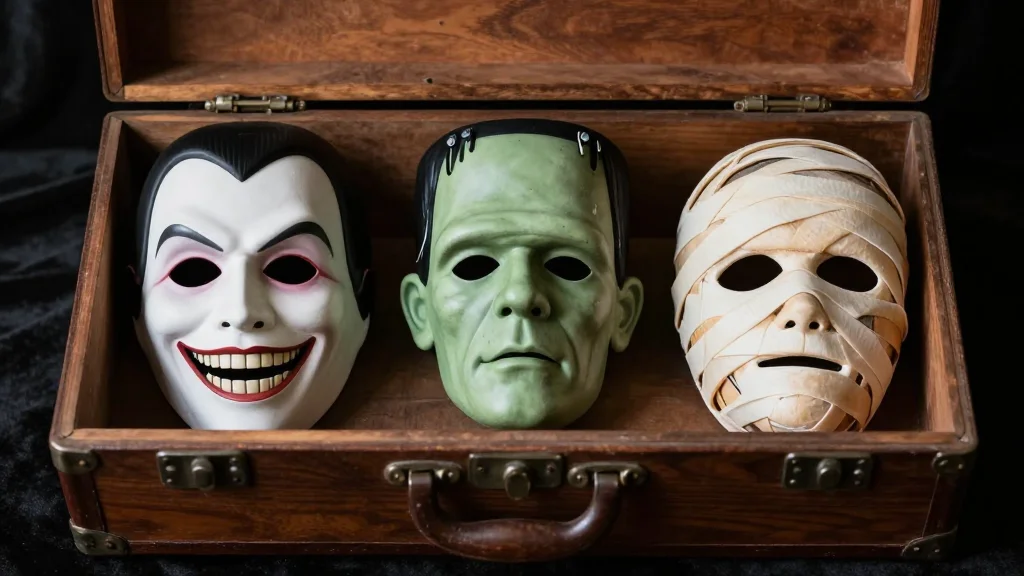
Do the Universal Monsters Still Matter, or Are They Already Dead?
Companies Mentioned
Why It Matters
The fate of the Universal Monsters illustrates how legacy IP must evolve or risk obsolescence, impacting Hollywood’s approach to long‑standing franchises and future studio revenue streams.
Key Takeaways
- •Dark Universe collapsed after 2017 Mummy reboot flopped
- •Standalone monster films now rely on external talent, not Universal
- •Monsters lack genre specificity, making them easy to replicate
- •Crossover ensemble could revive franchise before individual spin‑offs
Pulse Analysis
The Universal Monsters franchise sits at a crossroads where brand heritage meets modern content economics. Although the characters originated over a hundred years ago and many source stories are now public domain, Universal’s visual trademarks remain its only exclusive asset. In an era where intellectual property drives streaming deals and merchandising, studios must assess whether iconic but generic horror icons can still command premium licensing fees or if they have become interchangeable tropes that competitors can replicate without legal barriers.
The Dark Universe experiment highlighted the perils of forcing a Marvel‑style continuity onto loosely connected horror figures. The 2017 Mummy reboot, despite a star‑studded cast, underperformed, prompting Universal to retreat to standalone ventures such as Lee Cronin’s The Mummy. Meanwhile, external creators like Robert Eggers and Guillermo del Toro have found critical and commercial success reimagining these monsters for other studios, underscoring that compelling storytelling, not mere ownership, drives audience interest. This shift forces Universal to reconsider whether its monster catalog can thrive as isolated titles or requires a fresh narrative framework.
Strategically, a shared‑universe event that unites Frankenstein, Dracula, the Wolf Man, and the Creature could reignite fan enthusiasm and differentiate the IP from generic horror fare. By positioning the monsters as a gateway to broader horror experiences—perhaps through a family‑friendly entry point followed by darker spin‑offs—Universal can leverage cross‑generational appeal while preserving the monsters’ iconic status. Such a calibrated approach, blending nostalgia with innovative storytelling, may be the catalyst needed to transform a fading legacy into a sustainable, 21st‑century franchise.
Do the Universal Monsters Still Matter, or Are They Already Dead?
Comments
Want to join the conversation?
Loading comments...