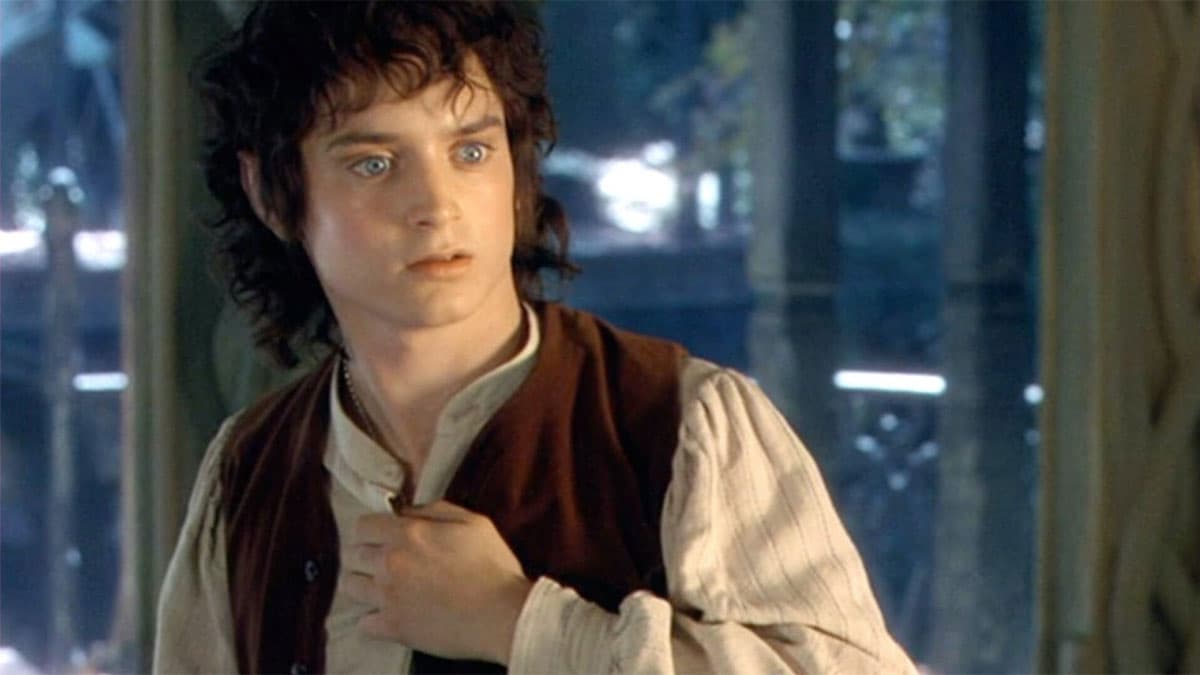
Elijah Wood Doesn’t Want Anyone Else Playing Frodo “As Long as I’m Alive and Able”
•March 9, 2026
0
Why It Matters
Wood’s protective stance underscores the brand value of original actors in legacy franchises, influencing fan expectations and studio marketing strategies. A cast reunion could boost audience interest and revenue for the new LOTR entry.
Key Takeaways
- •Wood refuses any other actor playing Frodo
- •Possible LOTR cast reunion hinted for new film
- •New project titled “The Hunt for Gollum” in development
- •Wood's recent roles include horror-comedy sequel and remakes
- •Fans anticipate integrity of Middle‑earth franchise
Pulse Analysis
Elijah Wood’s recent comments highlight a growing trend where original actors become custodians of iconic roles. By publicly stating he would not allow another performer to portray Frodo, Wood reinforces the emotional connection fans have with the original trilogy. This protective narrative not only safeguards the artistic legacy but also serves as a marketing lever, signaling to audiences that any new Middle‑earth venture will respect the established canon.
The entertainment industry has seen a surge in reviving beloved franchises, from superhero reboots to classic fantasy sagas. Studios recognize that re‑uniting original casts can generate substantial pre‑release buzz, translating into higher box‑office openings and stronger streaming deals. “The Hunt for Gollum” aims to tap into this momentum, leveraging nostalgia while introducing fresh storylines. If the original ensemble returns, the project could command premium licensing fees and attract global advertising partners eager to associate with a proven brand.
However, fan expectations create a double‑edged sword. While a reunion promises heightened excitement, any perceived deviation from the original tone may trigger backlash. Wood’s emphasis on maintaining Middle‑earth’s integrity signals to producers that fidelity will be a non‑negotiable criterion. Balancing creative innovation with reverence for the source material will be crucial for the film’s commercial success and for preserving the long‑term value of the Lord of the Rings franchise.
Elijah Wood Doesn’t Want Anyone Else Playing Frodo “As Long as I’m Alive and Able”
0
Comments
Want to join the conversation?
Loading comments...