‘Faces of Death’ Review: A Bloodcurdling, Damning New Take on the Ultimate Cult Horror Curio
Why It Matters
The film spotlights the tension between viral violence and platform responsibility, echoing broader debates about digital ethics and the horror genre’s role in cultural reflection.
Key Takeaways
- •Reboots cult snuff myth with real murder reenactments
- •Stars Barbie Ferreira as social‑media content censor
- •Explores platform hypocrisy and viral violence fascination
- •Director Daniel Goldhaber blends slasher thrills with social critique
- •Film praised for cinematography and unsettling atmosphere
Pulse Analysis
The original "Faces of Death" became an urban legend in the 1970s, rumored to be a genuine snuff film that terrified playgrounds and video‑store aisles alike. Though later debunked as a collage of real accident footage and staged gore, its mystique cemented a lasting fascination with forbidden media. This cultural residue set the stage for modern horror makers to explore how audiences are drawn to the macabre, making the 2026 reboot a natural evolution of that legacy.
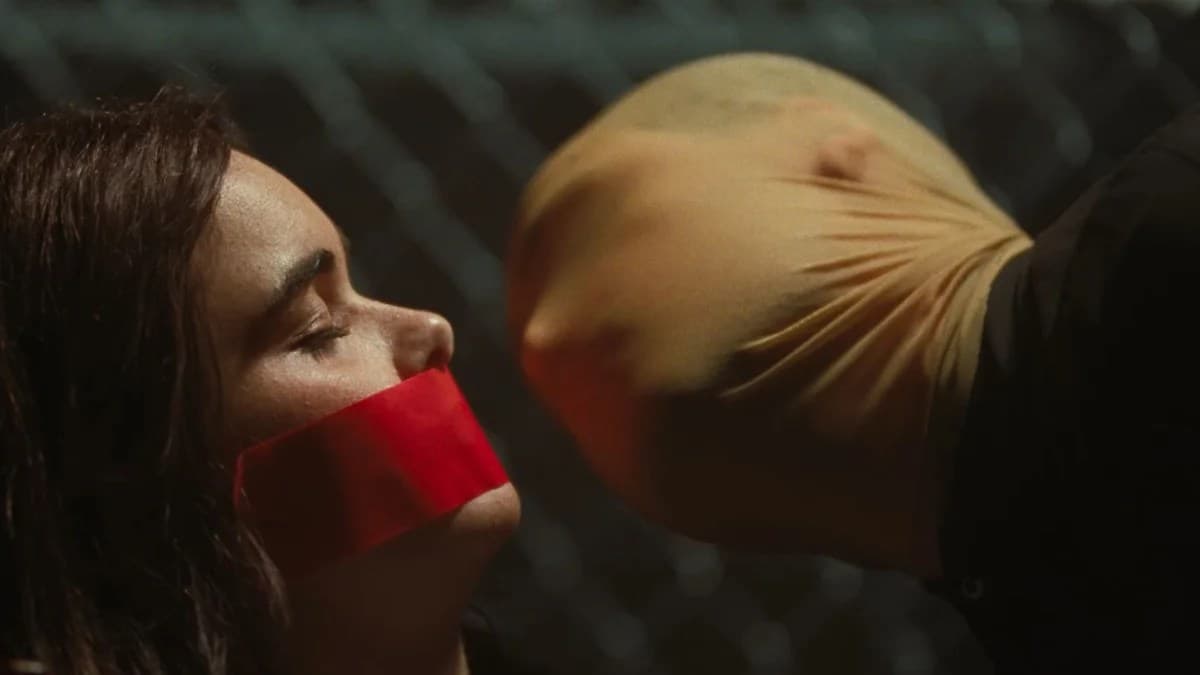
Goldhaber’s version updates the myth for the digital age, centering on a killer who films authentic murders and distributes them through a TikTok‑style app. Barbie Ferreira’s Margot, a content‑moderation analyst, witnesses the platform’s double standards—violent clips thrive while vital public‑service messages are censored. The narrative interrogates how algorithms amplify sensationalism, turning real suffering into consumable clicks, and forces viewers to confront the ethical cost of their own voyeuristic impulses. The film’s visceral set pieces are balanced by this meta‑commentary, creating a horror experience that feels both immediate and reflective.
For Goldhaber, known for the socially aware horror "Cam" and the eco‑activist thriller "How to Blow Up a Pipeline," "Faces of Death" demonstrates his ability to fuse genre thrills with incisive social critique. Critics have highlighted Isaac Bauman’s precise cinematography, which captures the killer’s artistic ambition without glorifying it. The movie’s reception signals a shift in horror toward intelligent, issue‑driven storytelling, suggesting that future slasher entries may increasingly serve as platforms for cultural discourse rather than mere spectacle. This blend of terror and commentary positions the film as a touchstone for both industry insiders and audiences grappling with the ethics of digital content.
‘Faces of Death’ Review: A Bloodcurdling, Damning New Take on the Ultimate Cult Horror Curio
Comments
Want to join the conversation?
Loading comments...