Female Filmmakers in Focus: Lucrecia Martel on “Nuestra Tierra (Our Land)”
Key Takeaways
- •Martel's documentary blends true‑crime with indigenous oral histories
- •Drone footage repurposes surveillance tech to humanize land‑rights narrative
- •Decades‑long community collaboration yields personal photo archives as primary source
- •Film critiques colonial bureaucracy that enabled land dispossession in Tucumán
- •Highlights female leadership in Argentine cinema and anti‑colonial storytelling
Pulse Analysis
Lucrecia Martel, a cornerstone of New Argentine Cinema, has long used intimate narratives to interrogate power structures, and “Nuestra Tierra (Our Land)” continues that trajectory. The film revisits the 2009 killing of Javier Chocobar, but rather than a conventional true‑crime retelling, it situates the tragedy within the broader colonial legacy that has stripped the Chuschagasta people of their ancestral lands. By foregrounding the community’s own language and oral testimony, Martel transforms legal documents into cinematic evidence, exposing how bureaucratic language can become a weapon of erasure. This approach resonates with global movements demanding decolonized historiography.
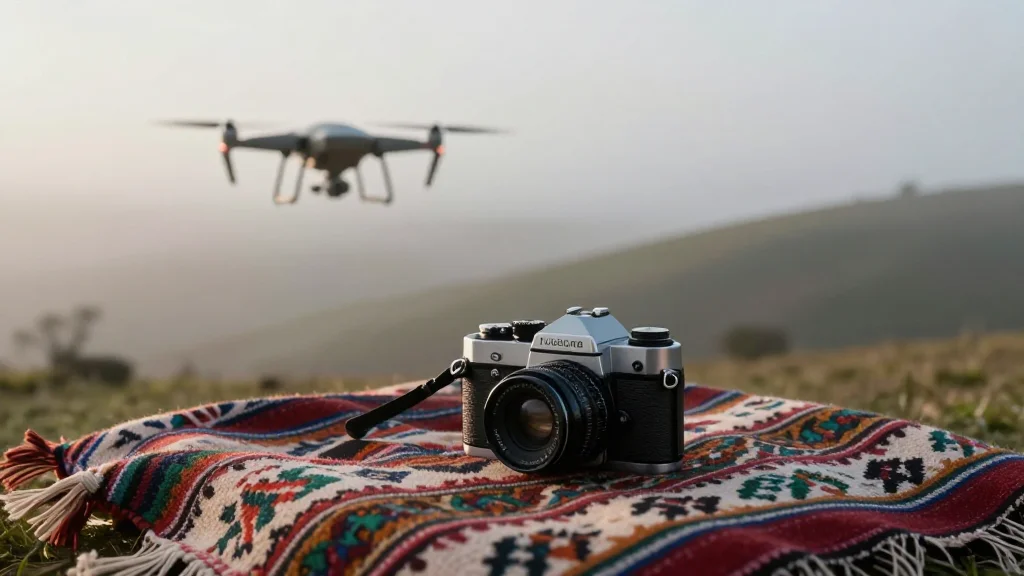
Technically, Martel’s work is a study in repurposing surveillance tools for empathy. Drone footage, originally designed for military observation, is paired with the soft cadence of indigenous voices, turning the aerial gaze into a compassionate survey of the landscape. Simultaneously, the director weaves ten years of personal photographs—family snapshots, migration records—into the visual fabric, granting the community agency over its own image. This hybrid of high‑tech and low‑tech storytelling challenges the dominant documentary formula, illustrating how archival material can serve as primary source material rather than peripheral illustration.
The release of “Nuestra Tierra” carries weight for both the film market and policy circles. Its critical acclaim amplifies the visibility of female auteurs from Latin America, encouraging distributors to invest in socially conscious narratives that break the Hollywood‑centric mold. Moreover, the film’s stark depiction of bureaucratic land grabs has already been cited in Argentine parliamentary debates on indigenous rights, suggesting cinema’s capacity to shape legislative agendas. As streaming platforms seek differentiated content, Martel’s blend of activism, innovative visuals, and authentic voices offers a template for future projects that aim to marry artistic merit with tangible social impact.
Female Filmmakers in Focus: Lucrecia Martel on “Nuestra Tierra (Our Land)”
Comments
Want to join the conversation?