First Reactions To Lee Cronin's The Mummy Have Critics United
Why It Matters
Cronin’s shift toward claustrophobic, trauma‑driven horror could reshape audience expectations for legacy franchise revivals, while the film’s polarizing tone tests Warner Bros.’ ability to market niche scares to mainstream viewers.
Key Takeaways
- •Cronin's film blends family trauma with visceral body horror.
- •Critics praise sound design and Natalie Grace's unsettling performance.
- •Runtime of 133 minutes may hinder broader commercial appeal.
- •Early reviews label it “nasty, gruesome, and intensely unsettling.”
- •Release set for April 17, 2026, by Warner Bros.
Pulse Analysis
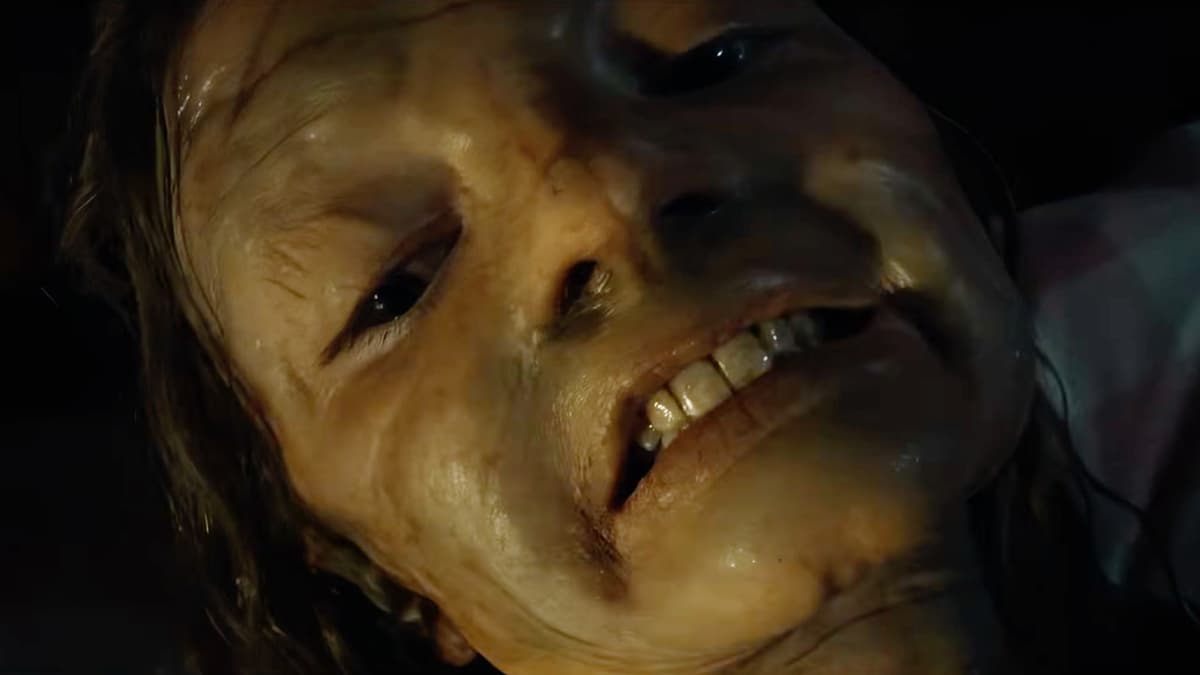
Lee Cronin has quickly become a notable voice in modern horror, moving from the atmospheric Irish thriller The Hole in the Ground to the high‑octane Evil Dead Rise. His latest effort, The Mummy, abandons the genre’s traditional spectacle in favor of a tightly wound domestic nightmare, reflecting a broader industry trend where filmmakers prioritize psychological terror over CGI‑driven set pieces. By anchoring the story around a family’s reunion with a missing child, Cronin taps into primal fears of loss and the uncanny, positioning the film as a study in grief‑induced horror rather than a simple monster chase.
The early critical consensus underscores the film’s technical prowess and unsettling tone. Reviewers repeatedly commend the squelching sound design that makes every gore‑filled moment feel immediate, while Natalie Grace’s performance as the eerily altered Katie draws comparisons to iconic possessed‑child portrayals like Linda Blair’s in The Exorcist. However, the 133‑minute runtime has drawn criticism for stretching the narrative thin, potentially limiting repeat viewings and broader audience appeal. This tension between artistic ambition and commercial practicality is a recurring theme for horror titles that aim for both critical acclaim and box‑office success.
Warner Bros.’ decision to release the film in April 2026 signals confidence in the market’s appetite for premium horror, especially as streaming platforms continue to dominate the genre. The Mummy’s blend of visceral body horror and family drama may attract niche horror enthusiasts while challenging traditional marketing strategies that rely on franchise nostalgia. If the film can convert its strong critical buzz into solid ticket sales, it could encourage studios to green‑light more auteur‑driven horror projects that prioritize atmosphere and character over blockbuster spectacle.
First Reactions To Lee Cronin's The Mummy Have Critics United
Comments
Want to join the conversation?
Loading comments...