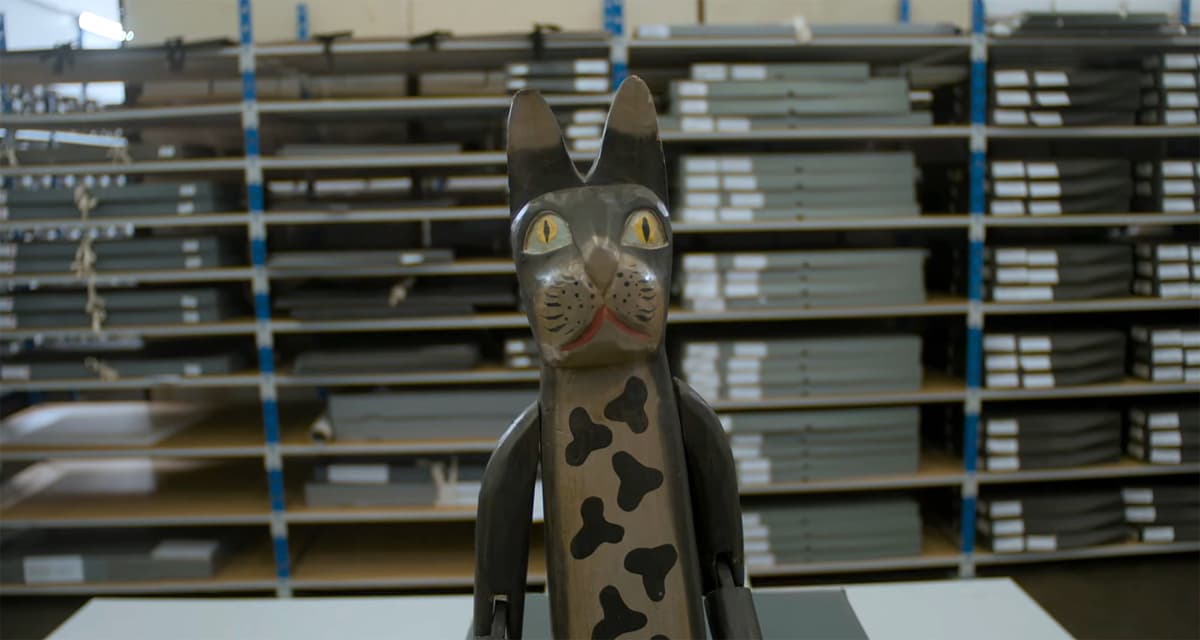
First Trailer for 'Nostalgia for the Future' Doc Examining Chris Marker
Why It Matters
The documentary revives interest in a seminal avant‑garde filmmaker, potentially unlocking new licensing and educational opportunities for Marker’s catalog. Its Cannes Classics slot highlights the commercial viability of heritage‑driven, art‑house content in today’s film market.
Key Takeaways
- •First trailer reveals experimental, archive‑centric storytelling for Chris Marker documentary
- •Charlotte Rampling provides English narration, adding star power to the project
- •Cannes Classics premiere positions film within elite heritage‑film market
- •Director Brecht Debackere’s academic background informs the film’s scholarly approach
Pulse Analysis
Chris Marker remains a touchstone for experimental cinema, best known for the 1962 short "La Jetée" and his later, politically charged works such as "Sans Soleil." Though his oeuvre is celebrated in film schools, much of his personal archive has been scattered, making comprehensive study difficult. "Nostalgia for the Future" arrives at a moment when scholars and curators are re‑examining mid‑century avant‑garde creators, driven by digitization projects and renewed public appetite for archival discoveries. By framing Marker’s life through the objects he left behind, the documentary promises to deepen understanding of his aesthetic philosophy and the cultural climate that shaped his films.
The Cannes Classics section has become a premier platform for heritage cinema, attracting distributors, museums, and streaming services eager to acquire restored or newly contextualized works. Debackere’s film, with its high‑profile narrator Charlotte Rampling, is positioned to capitalize on this ecosystem, potentially unlocking licensing deals for Marker’s catalog and ancillary content such as exhibitions or educational programs. The festival exposure also signals confidence to investors that a niche, art‑house documentary can generate revenue streams beyond theatrical runs, including limited‑edition Blu‑ray releases, VOD windows, and museum‑screening packages.
Rather than relying on conventional talking‑head interviews, Debackere adopts an associative editing style that mirrors Marker’s own fragmented narrative technique. This approach treats the archive as a “living system,” allowing viewers to experience memory as an active, mutable force. Such methodology aligns with a broader industry shift toward immersive, research‑driven documentaries that blend scholarship with cinematic poetics. For audiences accustomed to linear storytelling, the film offers a challenging yet rewarding experience that could influence future documentary practices, encouraging creators to explore non‑linear structures and to foreground primary materials as narrative drivers.
First Trailer for 'Nostalgia for the Future' Doc Examining Chris Marker
Comments
Want to join the conversation?
Loading comments...