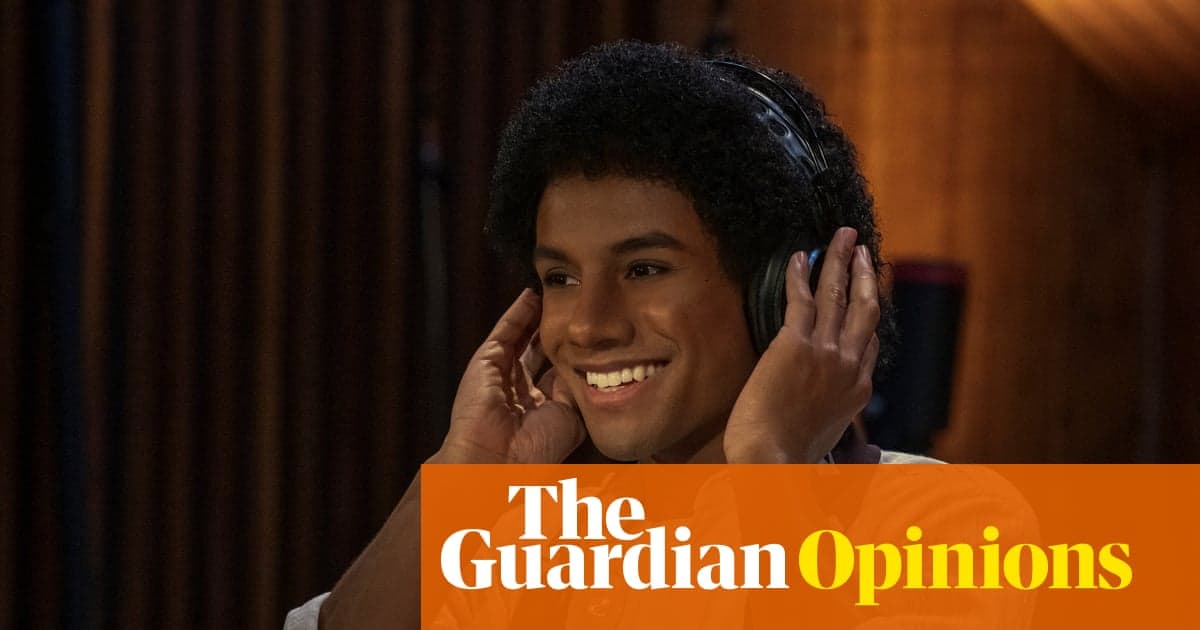
From Michael to Back to Black, Authorised Music Biopics Are Becoming Bland, Blatant Propaganda. Audiences Deserve Better | Simran Hans
Why It Matters
Estate‑controlled biopics shape public memory and generate massive revenue, but they risk erasing the very controversies that made these artists culturally significant.
Key Takeaways
- •Authorized music biopics prioritize profit over factual depth
- •"Michael" omits Jackson's abuse allegations, focusing on hits
- •Estate‑approved films boost streaming numbers and catalog sales
- •Critics label these movies as revisionist propaganda
- •Box‑office forecasts predict $150 m opening for "Michael"
Pulse Analysis
The surge of authorized music biopics began with 2018’s Bohemian Rhapsody, a film that paired Queen’s estate with Hollywood to turn a nostalgic concert narrative into a $911 m global hit. Since then, studios have chased the same formula—securing rights from estates, licensing chart‑topping songs, and packaging familiar melodies into easy‑watch dramas. The financial incentive is clear: a successful biopic not only fills theaters but also drives a measurable spike in streaming and catalog sales, turning legacy catalogs into modern revenue streams.
Michael, the newest Jackson biopic, illustrates the genre’s growing willingness to sanitize complex legacies. By omitting the singer’s decades‑long child‑abuse allegations and presenting a sanitized domestic tableau, the film offers an escapist experience that aligns with the estate’s brand protection goals. Critics argue this approach amounts to revisionist propaganda, where the narrative is curated to maximize profit while sidelining the darker truths that shaped public discourse. The result is a glossy, nostalgia‑driven product that satisfies casual fans but leaves serious admirers craving depth.
For the industry, the trade‑off between authenticity and box‑office certainty is sharpening. While a projected $150 m opening for Michael underscores the commercial viability of estate‑approved projects, it also signals a potential stagnation in storytelling ambition. Audiences increasingly demand transparency and nuance, and streaming platforms are already rewarding documentaries that tackle controversy head‑on. The next wave of music biopics will need to balance estate interests with a willingness to confront uncomfortable history, or risk becoming forgettable promotional tools rather than cultural touchstones.
From Michael to Back to Black, authorised music biopics are becoming bland, blatant propaganda. Audiences deserve better | Simran Hans
Comments
Want to join the conversation?
Loading comments...