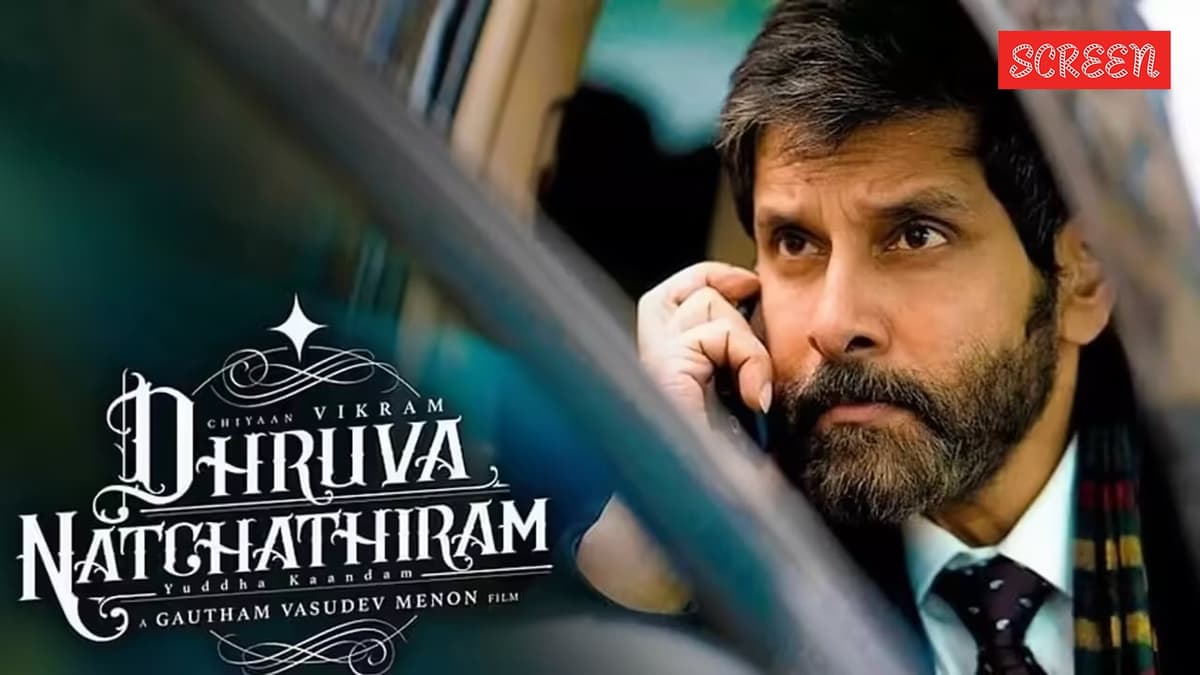
High Court Sets June 15 Deadline for Vikram’s Dhruva Natchathiram, Caught in Disputes for a Decade
Why It Matters
The ruling removes a major legal obstacle, allowing a high‑budget Indian film to finally generate revenue for investors, producers, and distributors. It also establishes a court‑supervised escrow model that could reshape financing disputes in the Indian entertainment sector.
Key Takeaways
- •Court mandates June 15, 2026 release for *Dhruva Natchathiram*.
- •Dedicated escrow account monitors all box‑office revenues and payouts.
- •Investors can claim dues only after court‑approved profit distribution.
- •Menon must secure funds to settle outstanding creditor obligations.
Pulse Analysis
The Indian film market has long grappled with financing structures that are vulnerable to litigation, especially for projects with multi‑year production cycles. *Dhruva Natchathiram* exemplifies this risk: announced in 2013, it endured a decade of casting changes, pandemic‑related halts, and a fragile funding web that ultimately attracted investor lawsuits. By imposing a concrete release deadline and mandating a transparent escrow mechanism, the Madras High Court is signaling a shift toward greater judicial oversight in entertainment finance, aiming to protect both creative assets and capital commitments.
Escrow accounts have become a practical tool for reconciling competing creditor claims while preserving a film’s commercial potential. In this case, the court‑appointed observer will ensure that every rupee earned at the box office is first allocated to settle verified debts before any profit distribution. This approach not only safeguards investor recoveries but also provides the producer with a clear pathway to monetize the completed product. Industry observers note that such court‑ordered financial safeguards could become a template for future disputes, encouraging producers to adopt more robust, pre‑emptive escrow arrangements during the budgeting phase.
For the market, the June 15 deadline creates a rare window of opportunity for a star‑driven vehicle featuring Vikram, whose recent box‑office successes have bolstered confidence in high‑concept Tamil cinema. If the film meets audience expectations, it could recoup the accumulated costs and generate surplus revenue for all parties, validating the court’s intervention. Moreover, the precedent set here may attract more disciplined financing practices, ultimately reducing the frequency of protracted legal battles that stall releases and erode investor trust across India’s entertainment ecosystem.
High Court sets June 15 deadline for Vikram’s Dhruva Natchathiram, caught in disputes for a decade
Comments
Want to join the conversation?
Loading comments...