Hokum Has Something More Interesting in Mind Than Another Bleak Ending
Companies Mentioned
Why It Matters
The surprise happy ending signals a shift in indie horror, showing that genre creators can blend dread with redemption without alienating core fans. For niche streaming services like Shudder, such genre‑bending titles broaden subscriber appeal and reinforce the market for premium horror content.
Key Takeaways
- •Hokum delivers a rare happy ending in Irish folk horror
- •Director Damian McCarthy caps an unofficial trilogy with emotional closure
- •Film blends ghost, witch lore with trauma-driven character arcs
- •Shudder exclusive boosts niche streaming platform’s horror catalog
- •Recurring rabbit motif links Hokum to Caveat and Oddity
Pulse Analysis
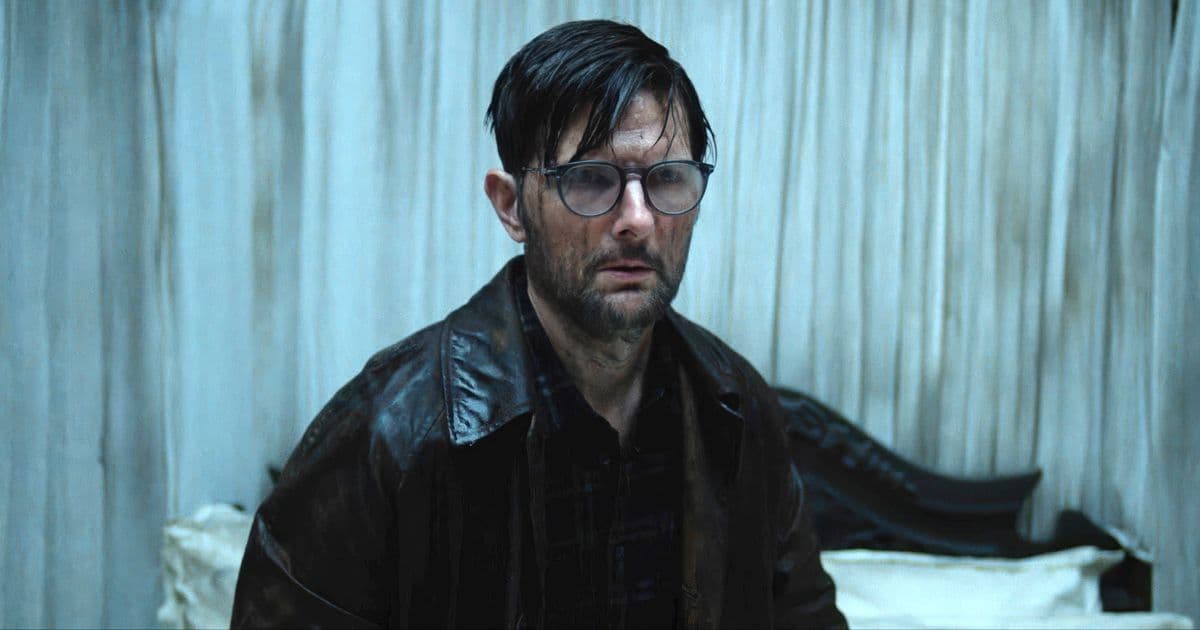
Irish folk horror has long thrived on bleak atmospheres and unresolved dread, but *Hokum* flips the script. By anchoring its supernatural threats—a ghostly mother, a vengeful witch, and a cursed honeymoon suite—in Ohm Bauman’s personal trauma, director Damian McCarthy creates a narrative that feels both intimate and mythic. The film’s final scene, where the conquistador spares the boy and the novel’s ending is rewritten, offers a rare moment of catharsis in a subgenre that typically favors nihilism. This tonal pivot not only showcases McCarthy’s evolving storytelling palette but also expands the emotional range of contemporary horror.
From a business perspective, *Hokum* arrives at a pivotal moment for specialty streaming platforms. Shudder, which secured exclusive rights, leverages the film’s blend of classic horror tropes and unexpected optimism to attract both die‑hard genre fans and viewers seeking fresh, character‑driven scares. The title’s strong critical reception and its connection to an unofficial trilogy provide valuable content hooks that can drive subscriber retention and word‑of‑mouth promotion, reinforcing the platform’s reputation as a curator of high‑quality indie horror.
Thematically, *Hokum* ties together visual motifs—most notably the unsettling rabbit figure—that have recurred across McCarthy’s previous works, *Caveat* and *Oddity*. This continuity creates a cohesive, albeit unofficial, trilogy that rewards attentive audiences with layered Easter eggs. Moreover, the film’s focus on trauma resolution, rather than mere punishment, reflects a broader industry trend toward more nuanced horror protagonists. As audiences increasingly demand depth alongside scares, *Hokum* exemplifies how indie filmmakers can meet that demand while still delivering the genre’s essential thrills.
Hokum Has Something More Interesting in Mind Than Another Bleak Ending
Comments
Want to join the conversation?
Loading comments...