Key Takeaways
- •Damian McCarthy's third horror film, "Hokum," runs 105 minutes
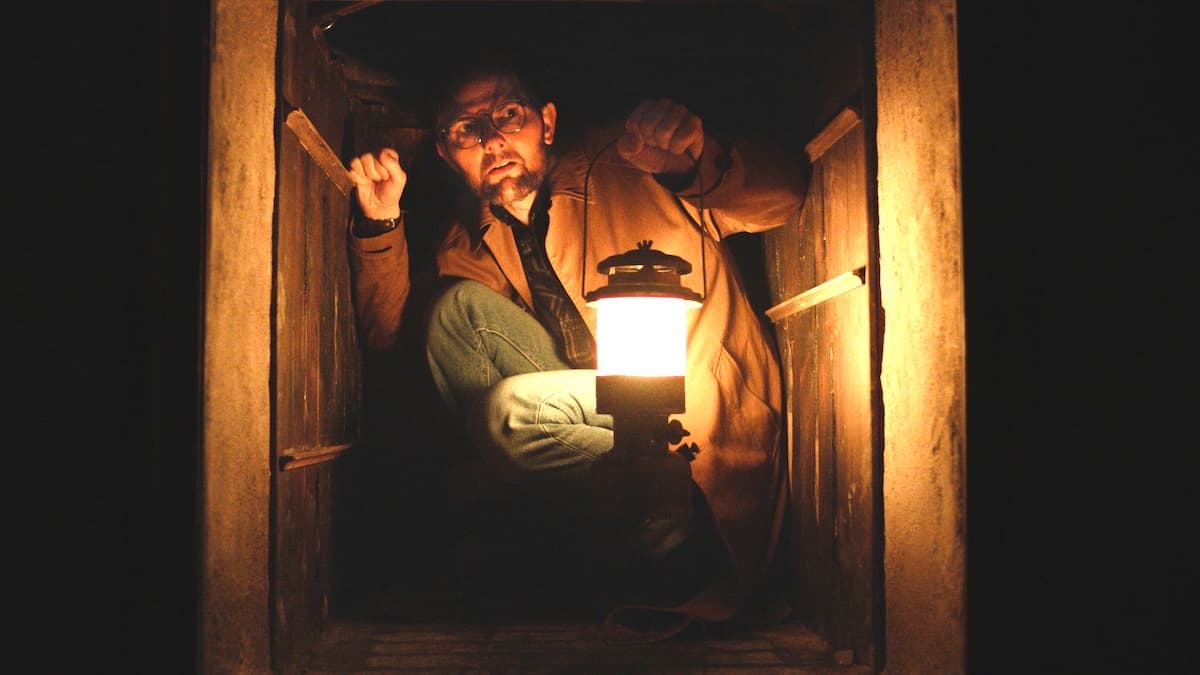
- •Adam Scott stars as novelist Ohm Bauman confronting personal trauma
- •Setting: haunted Bilberry Woods Hotel in rural Ireland intensifies claustrophobia
- •Film revisits themes of dead women and male violence from previous works
- •Critics rate it B+, noting relentless tension and strong production design
Pulse Analysis
"Hokum" hit theaters this weekend, marking director Damian McCarthy’s third one‑word horror entry after “Oddity” and “Caveat.” Clocking in at 105 minutes, the film follows bestselling novelist Ohm Bauman (Adam Scott) as he travels from Washington state to a remote Irish hotel to scatter his parents’ ashes. The production leans heavily on atmospheric set design, turning the Bilberry Woods Hotel into a character itself. In an era where horror franchises dominate streaming platforms, McCarthy’s theatrical release underscores a continued appetite for boutique, mood‑driven scares that can draw box‑office audiences.
The narrative intertwines personal trauma with classic haunted‑hotel tropes, echoing the psychological isolation of Kubrick’s “The Shining.” Bauman’s abrasive personality—part skeptic, part self‑destructive writer—offers a fresh anti‑hero compared with more sympathetic protagonists. McCarthy revisits familiar motifs, notably the prevalence of dead women whose fates are tied to male violence, a pattern critics have noted across his oeuvre. Yet the film expands its visual language, mapping the hotel’s multiple floors and rooms with a level of detail that would satisfy even the most meticulous TripAdvisor reviewer.
Critical response has settled around a B+ rating, praising the relentless tension, effective jump‑scares, and meticulous production design while noting occasional plot gaps that strain credulity. For distributors, “Hokum” demonstrates that mid‑budget horror can still command theatrical windows when paired with strong branding and a recognizable lead like Adam Scott. The movie’s blend of supernatural dread and character‑driven anxiety may influence upcoming releases seeking to balance visceral scares with deeper psychological stakes. As horror audiences increasingly demand both originality and craftsmanship, McCarthy’s latest could serve as a benchmark for future genre experiments.
Review: Hokum
Comments
Want to join the conversation?