Companies Mentioned
Why It Matters
The film illustrates how Hollywood navigates legal constraints and public sentiment when depicting controversial cultural icons, shaping future biopic strategies and IP management.
Key Takeaways
- •Biopic "Michael" avoids child abuse allegations due to settlement clause
- •Film originally slated for 1993, now set in 1988 timeline
- •Jaafar Jackson portrays uncle, receiving praise for performance
- •Jackson family declined involvement, limiting insider perspectives
- •Box‑office forecasts suggest strong fan turnout despite controversy
Pulse Analysis
The Michael Jackson biopic, directed by Antoine Fuqua, arrives at a crossroads of entertainment, law, and cultural memory. By anchoring the narrative in 1988—just before the singer’s global domination—the film sidesteps the contentious allegations that have haunted his legacy for decades. This editorial choice stems from a settlement clause tied to one of the accusers, effectively censoring any mention of abuse. The decision underscores how legal agreements can shape creative storytelling, especially when the subject is a high‑profile intellectual property.
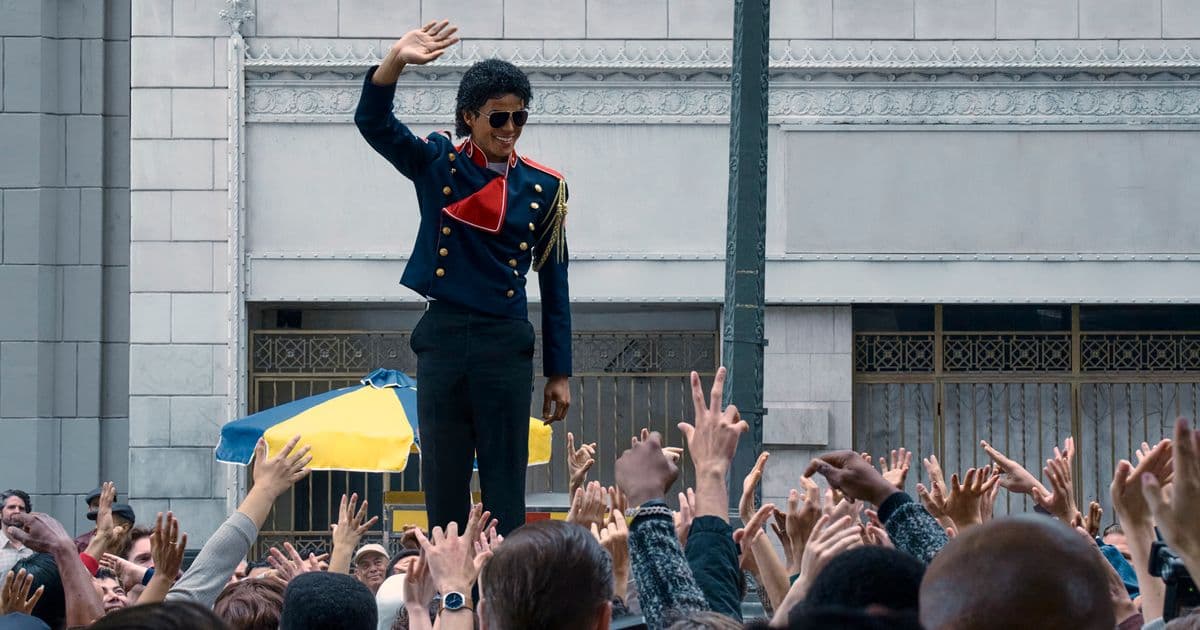
Casting Jaafar Jackson, the pop star’s nephew, adds a layer of authenticity while also serving as a brand‑rehabilitation tool. Critics note his physical resemblance and dance precision, yet the lack of family involvement limits insider insight. The production’s reliance on archival footage and stylized performances aims to reframe Michael as a timeless entertainer, separating the art from the artist’s personal controversies. This approach reflects a broader industry trend of re‑packaging legacy figures for new audiences, often prioritizing commercial viability over exhaustive historical accuracy.
Box‑office analysts predict robust ticket sales, driven by nostalgia and the curiosity of younger viewers unfamiliar with the original controversies. The film’s release tests the market’s appetite for sanitized biographies and raises questions about the ethical responsibilities of studios when handling disputed histories. As streaming platforms and theatrical releases compete for viewership, the success or failure of "Michael" could set a precedent for how future biopics negotiate legal constraints, family dissent, and the delicate balance between reverence and revisionism.
How Did We End Up With Michael?
Comments
Want to join the conversation?
Loading comments...