How Dug Dug Builds a Motorcycle God in Its Absurdist Universe?
Why It Matters
The film’s blend of satire and philosophical inquiry could reshape Indian indie cinema’s approach to visual storytelling and thematic depth, while its high‑profile backing signals growing investor confidence in experimental projects.
Key Takeaways
- •Dug Dug premieres in India on May 8 after TIFF 2021 debut
- •Backed by Anurag Kashyap, Nikkhil Advani, Vikramaditya Motwane, Vasan Bala
- •Film explores manifestation via collective belief in a motorcycle temple
- •Opening sequence uses pink‑blue lighting, montage rhythm inspired by 2001
- •Recurring balloon motif symbolizes endless expansion of belief and narrative
Pulse Analysis
The arrival of Dug Dug marks a notable moment for Indian independent cinema, where a self‑financed project that premiered at the Toronto International Film Festival is now entering mainstream theatres. Backed by heavyweight producers such as Anurag Kashyap and Vikramaditya Motwane, the film benefits from a rare convergence of artistic ambition and commercial support, suggesting that investors are increasingly willing to fund unconventional narratives that challenge traditional Bollywood formulas.
At its core, Dug Dug uses the real‑world phenomenon of the Om Banna motorcycle shrine in Jodhpur to examine how collective focus can turn an object into a deity. Drawing on Itzhak Bentov’s ideas about consciousness, the story frames the motorcycle as a vessel for manifestation, inviting viewers to consider how shared belief shapes reality. This thematic blend of satire and metaphysics resonates with a global audience increasingly interested in mindfulness and the power of intention, positioning the film as a cultural bridge between local folklore and universal philosophical questions.
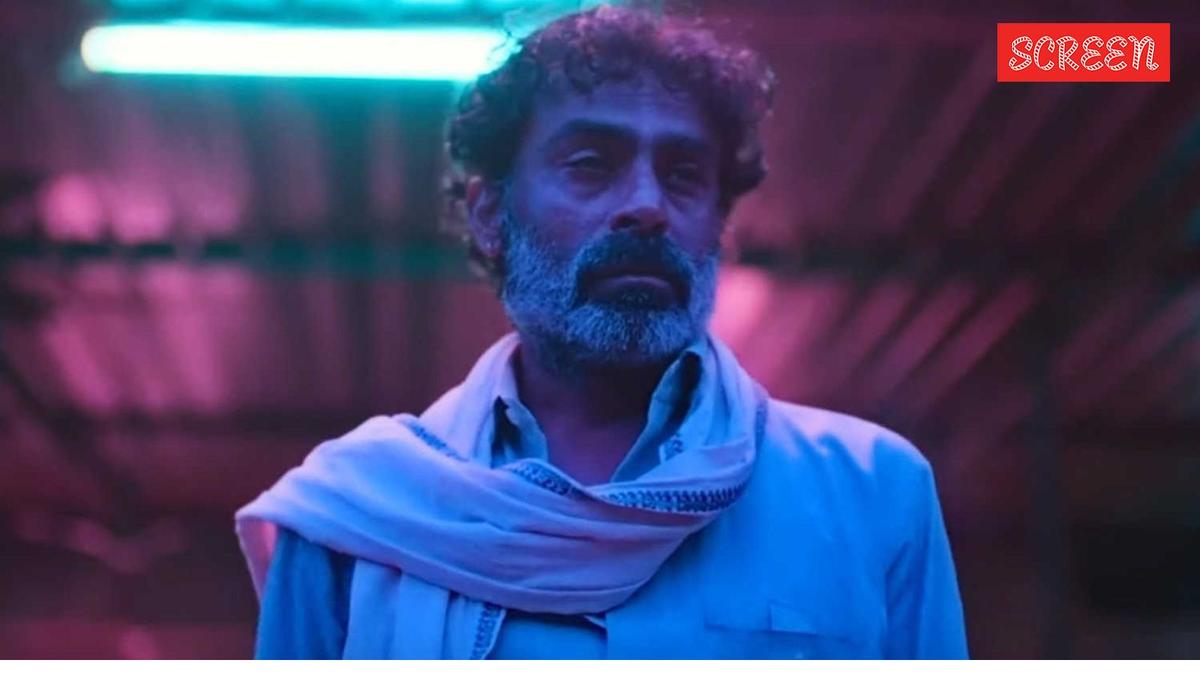
Visually, the film distinguishes itself through a meticulously crafted comic‑book aesthetic, with a pink‑blue opening sequence that echoes the iconic Stargate segment of 2001: A Space Odyssey. Director Ritwik Pareek’s reliance on symmetrically absurd staging and rhythm‑driven montages creates a cinematic language that prioritizes eye movement and emotional pacing over dialogue. The persistent balloon motif, expanding without bursting, serves as a visual metaphor for the endless growth of belief systems, reinforcing the narrative’s central thesis while offering a fresh template for future Indian filmmakers seeking to marry high concept with striking visual design.
How Dug Dug builds a motorcycle god in its absurdist universe?
Comments
Want to join the conversation?
Loading comments...