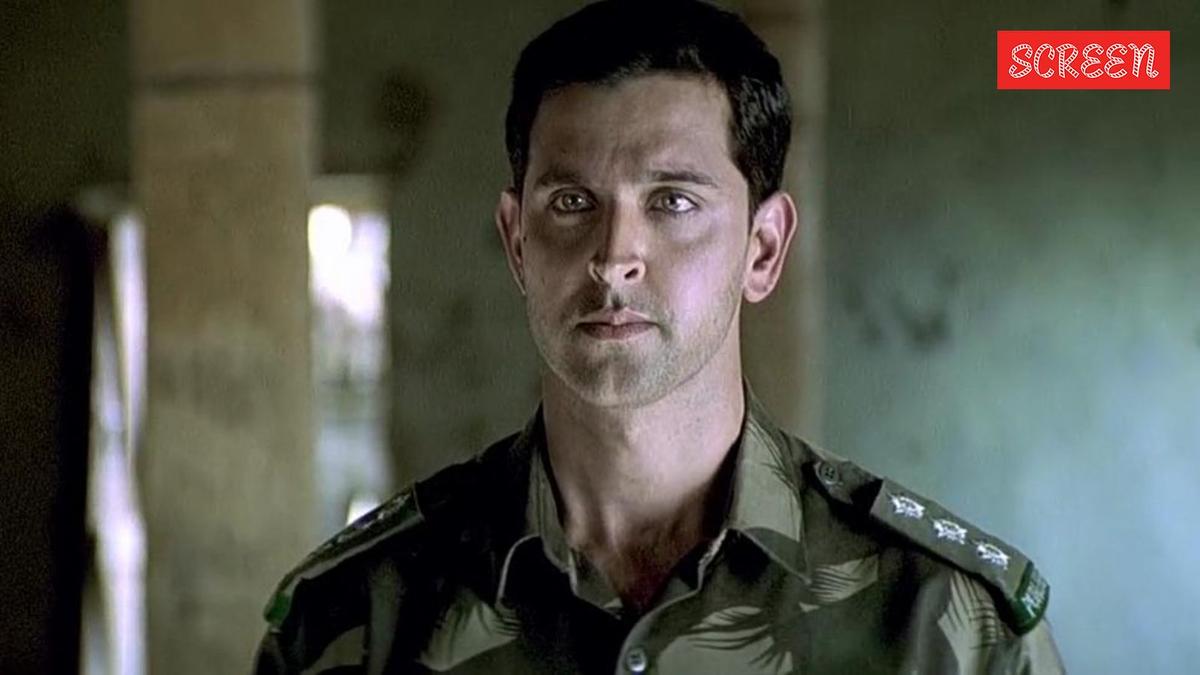
‘Hrithik Roshan Said Kick Me if Needed; He Was in Wet Mud’: Amit Behl Recalls Lakshya Shoot
Why It Matters
The story shows how collaborative leadership from top talent can safeguard supporting performances, indicating a shift in power dynamics that affects film quality and industry culture.
Key Takeaways
- •Hrithik Roshan agreed to be kicked in mud for crucial scene
- •Farhan Akhtar kept all of Amit Behl’s shots, no cuts
- •Industry once edited out character actors; now less frequent
- •Amit notes shift from supportive to factional Bollywood culture
- •Early collaborations linked Akhtar siblings to continuity work on Shanti
Pulse Analysis
The behind‑the‑scenes anecdote from *Lakshya* offers a rare glimpse into Bollywood’s collaborative spirit when a rising star like Hrithik Roshan volunteered to endure a muddy, physically demanding sequence for the sake of the narrative. Roshan’s willingness to be kicked, protected only by a body pad, underscores a professionalism that transcends ego, especially in a film that relied on intense training montages to sell its military theme. Director Farhan Akhtar’s decision to retain every take of supporting actor Amit Behl further illustrates a director’s power to champion inclusive storytelling, preserving the texture that secondary characters add to a blockbuster.
Historically, Bollywood’s editing rooms were notorious for trimming or muting character actors to maximize screen time for marquee names, a practice that often left talent like Behl feeling sidelined. The rise of star‑driven economics intensified this trend, as producers feared that any perceived dilution of a lead’s presence could jeopardize box‑office returns. However, directors who value narrative cohesion—such as Akhtar—have begun to push back, recognizing that audience engagement benefits from authentic ensemble dynamics. This shift also reflects a broader industry acknowledgment that cutting valuable performances can erode a film’s credibility and long‑term cultural impact.
Today, the industry grapples with increasingly polarized camps, where alliances and public feuds can dictate project participation. Behl’s observation that earlier eras fostered mutual support contrasts sharply with the current climate of factionalism, where criticism often replaces collaboration. As streaming platforms democratize distribution and audience tastes diversify, the pressure to maintain cohesive, respectful production environments may grow. Actors and filmmakers who prioritize professionalism over rivalry are likely to shape the next wave of Indian cinema, ensuring that both leads and supporting talent receive the recognition needed for sustainable creative growth.
‘Hrithik Roshan said kick me if needed; he was in wet mud’: Amit Behl recalls Lakshya shoot
Comments
Want to join the conversation?
Loading comments...