Indian Documentary ‘Spirit of the Wildflower’ Wins Acclaim at Cannes 2026

Why It Matters
The acclaim for "Spirit of the Wildflower" signals a turning point for Indian documentary filmmaking, showing that stories rooted in marginalized communities can achieve global recognition. By foregrounding a trans‑masculine Adivasi experience, the film challenges entrenched stereotypes and expands the cultural conversation around gender identity in South Asia. Its success also demonstrates that international festivals are rewarding authenticity over spectacle, encouraging producers and creators to invest in diverse narratives that reflect the complex realities of rural India. For distributors, the film presents a compelling content asset that aligns with growing audience demand for inclusive storytelling. Its potential placement on streaming platforms could broaden exposure to LGBTQ+ and indigenous issues, fostering greater empathy and understanding across borders. Moreover, the documentary’s market traction may inspire funding bodies and film schools in India to support similar projects, strengthening the pipeline of socially relevant cinema.
Key Takeaways
- •Debut director Shrimoyee Chakraborty's "Spirit of the Wildflower" premiered at Cannes 2026
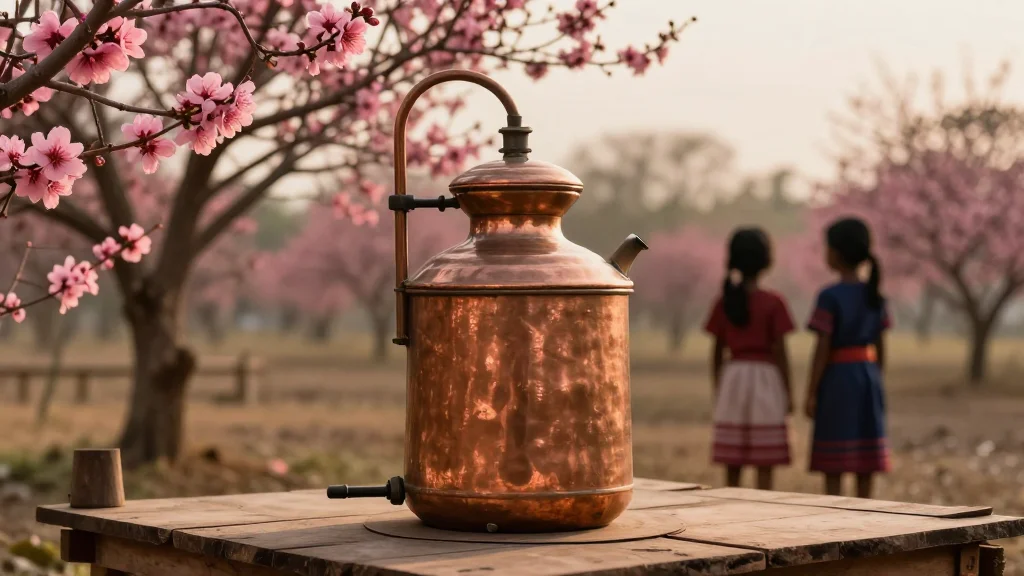
- •Film follows two tribal siblings running India’s first legal mahua distillery and a trans‑masculine journey
- •Executive producers include Radhika Piramal, Neeraj Churi (Sundance Grand Jury winner) and Keshav Suri
- •Critical response praised the film’s authenticity and avoidance of poverty‑porn tropes
- •Documentary is currently open for international acquisition, attracting interest from distributors and streaming services
Pulse Analysis
The Cannes reception of "Spirit of the Wildflower" reflects a broader industry trend where festivals act as launchpads for socially conscious documentaries that can cross over into mainstream distribution. Historically, Indian documentaries have struggled to break out of regional circuits, but the film’s selection and praise indicate that curators are now prioritizing narratives that intersect gender, caste, and rural realities. This shift is partly driven by streaming platforms’ appetite for niche content that can differentiate their libraries.
From a market perspective, the film’s acquisition talks illustrate the growing financial viability of documentaries that combine cultural specificity with universal themes. Buyers are willing to invest in titles that can be marketed both as LGBTQ+ advocacy pieces and as authentic portrayals of Indian rural life, expanding the potential audience base. The involvement of seasoned producers like Neeraj Churi adds credibility, signaling to investors that the project meets high artistic standards.
Looking ahead, the success of "Spirit of the Wildflower" could catalyze a wave of similar projects from India’s independent sector. Film schools and grant programs may allocate more resources toward stories that challenge gender norms and highlight indigenous voices. If the documentary secures a major streaming deal, it will set a precedent for how Indian documentary content can achieve global reach, encouraging creators to pursue bold, under‑represented subjects without compromising on storytelling quality.
Indian Documentary ‘Spirit of the Wildflower’ Wins Acclaim at Cannes 2026
Comments
Want to join the conversation?
Loading comments...