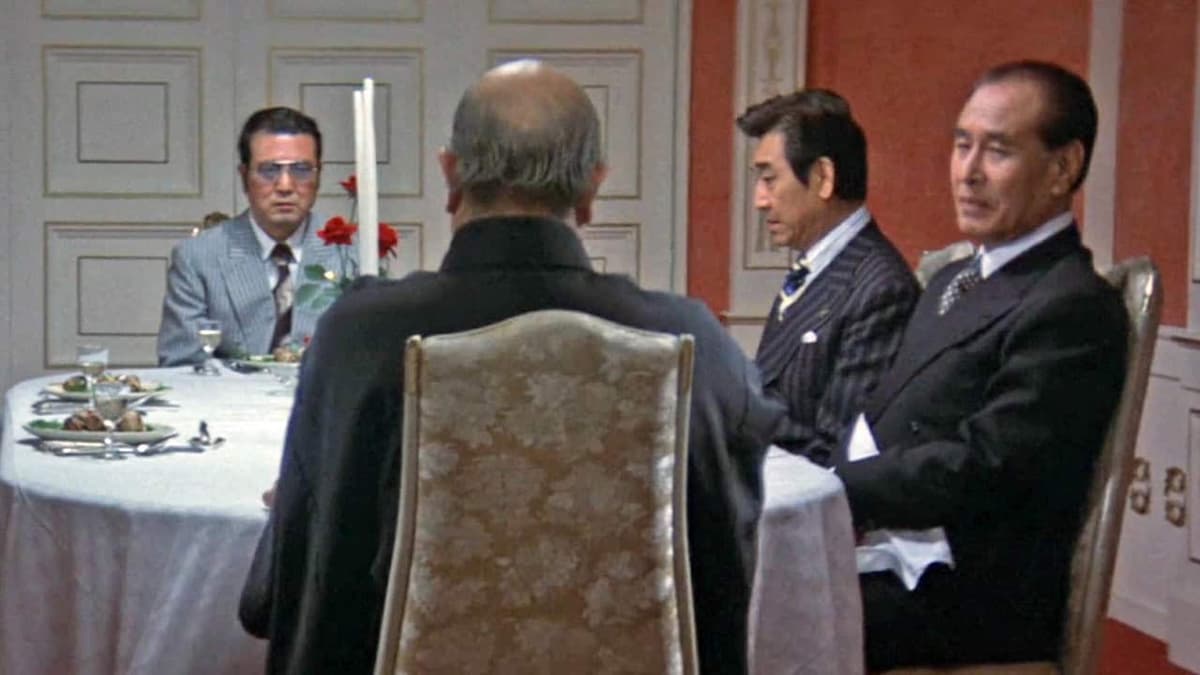
Japanese Godfather: Ambition (1977) by Sadao Nakajima Film Review
Key Takeaways
- •Film links yakuza power to 1970s Japanese politics
- •Sakura expands syndicate influence into national economy
- •Matsukata’s performance highlights blind loyalty’s destructive cost
- •Oishi’s alliance mirrors Cold War geopolitical maneuvering
- •Film critiques systemic ambition over individual villainy
Pulse Analysis
Sadao Nakajima’s 1977 sequel, Japanese Godfather: Ambition, arrived at a time when Japan’s post‑war miracle was confronting oil shocks and political turbulence. By situating the Nakajima clan’s expansion within Osaka’s corporate corridors and the corridors of the Diet, the film captures a nation where economic growth and political patronage were increasingly intertwined. This historical backdrop gives the movie a gravitas that sets it apart from Western gangster epics, positioning organized crime not as an outsider threat but as a parallel power structure embedded in the country’s development narrative.
The sequel’s narrative architecture weaves multiple threads—corporate takeovers, parliamentary lobbying, and inter‑clan warfare—into a tightly knit tapestry that mirrors the complexity of Japan’s real‑world power brokers. Central characters like Sakura and Oishi embody contrasting leadership styles: Sakura’s familial loyalty softens his ruthless ambition, while Oishi’s cold calculation reflects a more bureaucratic, almost technocratic approach. Performances by Hiroki Matsukata and Toshiro Mifune reinforce these themes, illustrating how blind obedience can be as destructive as overt greed. The film’s visual language, marked by restrained violence and stark backroom meetings, underscores the idea that the most consequential battles are fought behind closed doors.
For contemporary audiences, Japanese Godfather: Ambition offers a timeless study of systemic ambition. Its portrayal of crime syndicates as mirrors of corporate and political institutions resonates in today’s climate of regulatory capture and corporate lobbying. Business leaders can draw lessons about the perils of unchecked influence, while scholars of film and economics see a rare example of cinema that treats organized crime as a structural force rather than a narrative footnote. The film’s legacy endures, shaping modern yakuza storytelling and informing discussions about the blurred lines between legitimate enterprise and illicit power.
Japanese Godfather: Ambition (1977) by Sadao Nakajima Film Review
Comments
Want to join the conversation?