Why It Matters
The documentary spotlights the market potential of art‑centric films while illustrating how enduring personal relationships can sustain creative longevity, a model relevant to cultural institutions and investors.
Key Takeaways
- •Grashow's 'The Cathedral' blends religious symbolism with woodcraft.
- •Documentary highlights 50-year marriage alongside artistic longevity.
- •Film premiered in theaters, boosting niche documentary visibility.
- •Featured works include MoMA cardboard sculptures and Jethro Tull cover.
Pulse Analysis
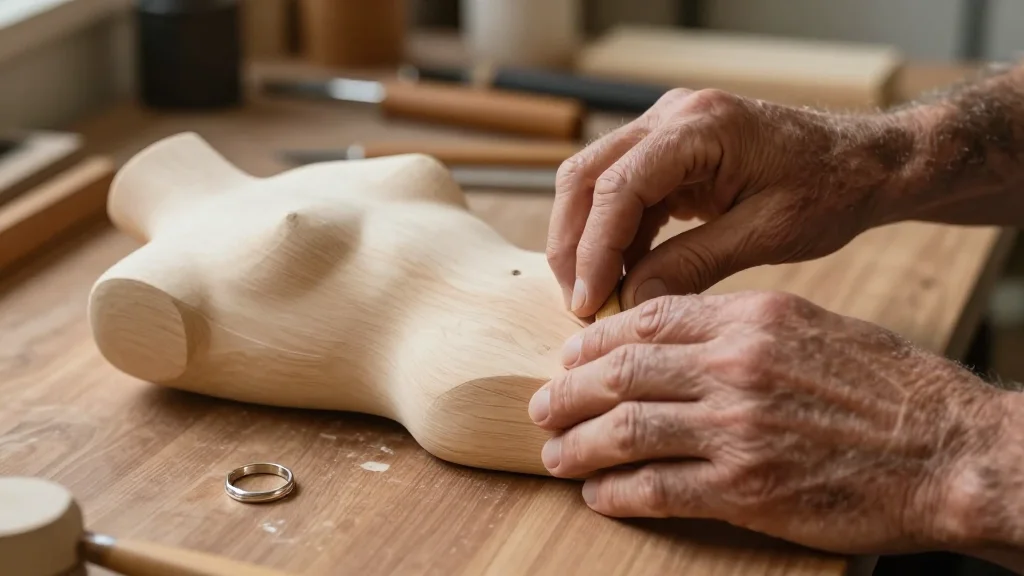
The new documentary ‘Jimmy & the Demons’ offers an intimate look at the late‑stage career of wood sculptor James Grashow, whose ambitious piece ‘The Cathedral’ has become a cultural touchstone. Commissioned by a Catholic collector, the towering wooden figure of Jesus bearing a church evokes Atlas, while mischievous demons crawl at its base, marrying sacred iconography with Grashow’s trademark whimsy. Director Cindy Meehl frames the creation process as a meditation on mortality, allowing viewers to witness the meticulous carving techniques that have defined Grashow’s three‑decade oeuvre.
Beyond the artistic narrative, the film underscores the commercial viability of niche documentaries in a crowded theatrical landscape. With limited release dates, ‘Jimmy & the Demons’ is already attracting attention from specialty cinemas and streaming platforms seeking high‑brow content, a trend that mirrors the recent success of art‑focused titles such as ‘The Great Buster.’ Grashow’s prior exposure at institutions like the Museum of Modern Art and his iconic Jethro Tull album cover provide built‑in audience appeal, potentially translating into modest box‑office returns and strong ancillary sales.
The documentary also highlights broader themes of longevity in creative practice and interfaith collaboration. Grashow’s 50‑year partnership with his wife Lesley, known as Guzzy, illustrates how personal stability can fuel sustained artistic output, a point that resonates with executives monitoring talent retention. Moreover, a Jewish artist interpreting Catholic symbolism invites dialogue about cultural exchange, positioning the film as a case study for curators and producers exploring cross‑cultural narratives. As audiences increasingly seek authentic stories, ‘Jimmy & the Demons’ may set a benchmark for future projects that blend craftsmanship with personal memoir.
‘Jimmy & the Demons’ Review
Comments
Want to join the conversation?
Loading comments...