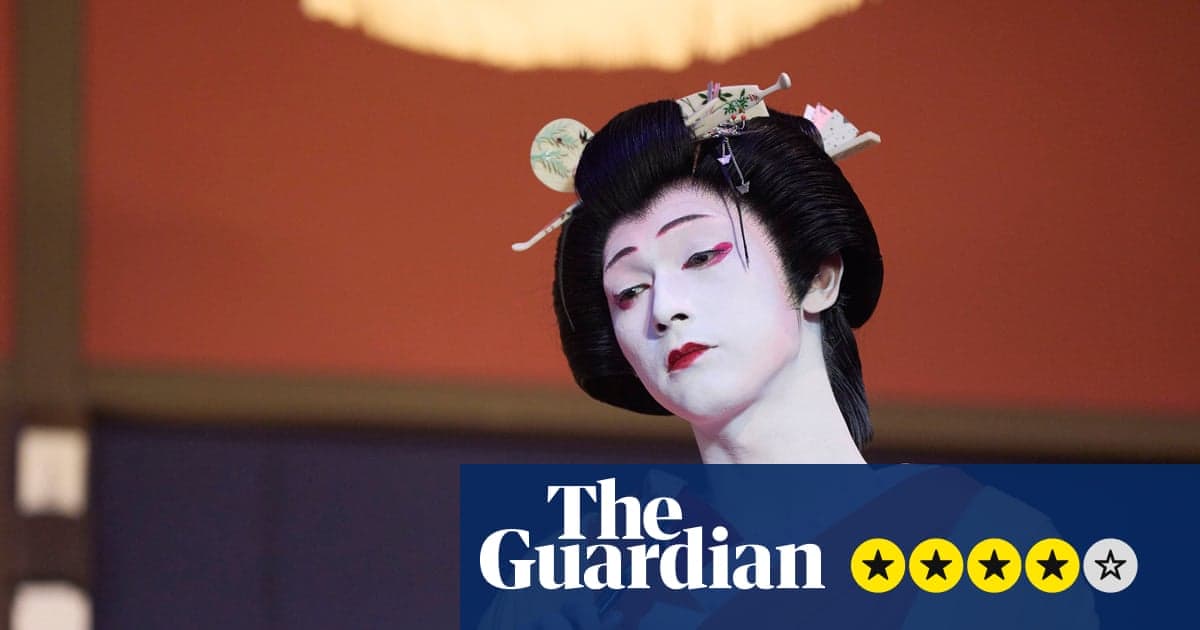
Kokuho Review – Passionately Male Cain-and-Abel Kabuki Epic of Gender-Crossing Actors
Why It Matters
The film’s commercial success and awards buzz spotlight Japan’s traditional arts on the global stage, while its gender‑focused narrative sparks broader conversations about representation in cinema.
Key Takeaways
- •Box‑office smash in Japan, grossing over ¥5 billion (~$35 million).
- •Earned Oscar nomination for Best International Feature Film.
- •Explores onnagata tradition, men performing female roles in kabuki.
- •Highlights tension between artistic discipline and personal ambition.
Pulse Analysis
"Kokuho" arrives at a moment when Japanese cinema is seeking wider international recognition. Its domestic box‑office triumph—over ¥5 billion, roughly $35 million—demonstrates strong audience appetite for culturally rich storytelling, while the Oscar nomination signals that such stories can resonate beyond Japan’s borders. The film’s production values, from meticulously staged kabuki performances to period‑accurate set design, showcase the industry’s growing capacity to compete with global blockbusters on both artistic and commercial fronts.
At the heart of the movie lies the centuries‑old practice of onnagata, male actors who specialize in female roles due to historic bans on women in theater. By dramatizing the personal and professional rivalry between Kikuo and Shunsuke, "Kokuho" offers viewers a rare glimpse into this disciplined art form, highlighting how gender performance can be both a cultural heritage and a narrative device. The film’s nuanced portrayal invites discussions about gender fluidity, identity, and the sacrifices artists make to perfect their craft, resonating with contemporary debates on representation.
Beyond its cultural significance, "Kokuho" underscores the commercial viability of heritage‑driven content. International festivals have embraced the film, awarding it multiple honors and amplifying its marketability overseas. Distributors are now eyeing similar projects that blend traditional art forms with universal themes of ambition and rivalry, suggesting a potential shift in how studios invest in niche yet globally appealing stories. As streaming platforms expand their catalogs, titles like "Kokuho" could become flagship offerings that bridge Eastern tradition with Western audiences, driving both revenue and cultural exchange.
Kokuho review – passionately male Cain-and-Abel kabuki epic of gender-crossing actors
Comments
Want to join the conversation?
Loading comments...