Key Takeaways
- •David Roux directs his second feature, a bleak French noir drama.
- •Mélanie Thierry portrays Marianne, a disempowered housewife in Angers.
- •Story adapts Hélène Lenoir’s novel ‘Son nom d’avant’.
- •Film echoes Claude Chabrol’s small‑town thriller aesthetic.
- •Limited box‑office prospects but strong festival and streaming appeal.
Pulse Analysis
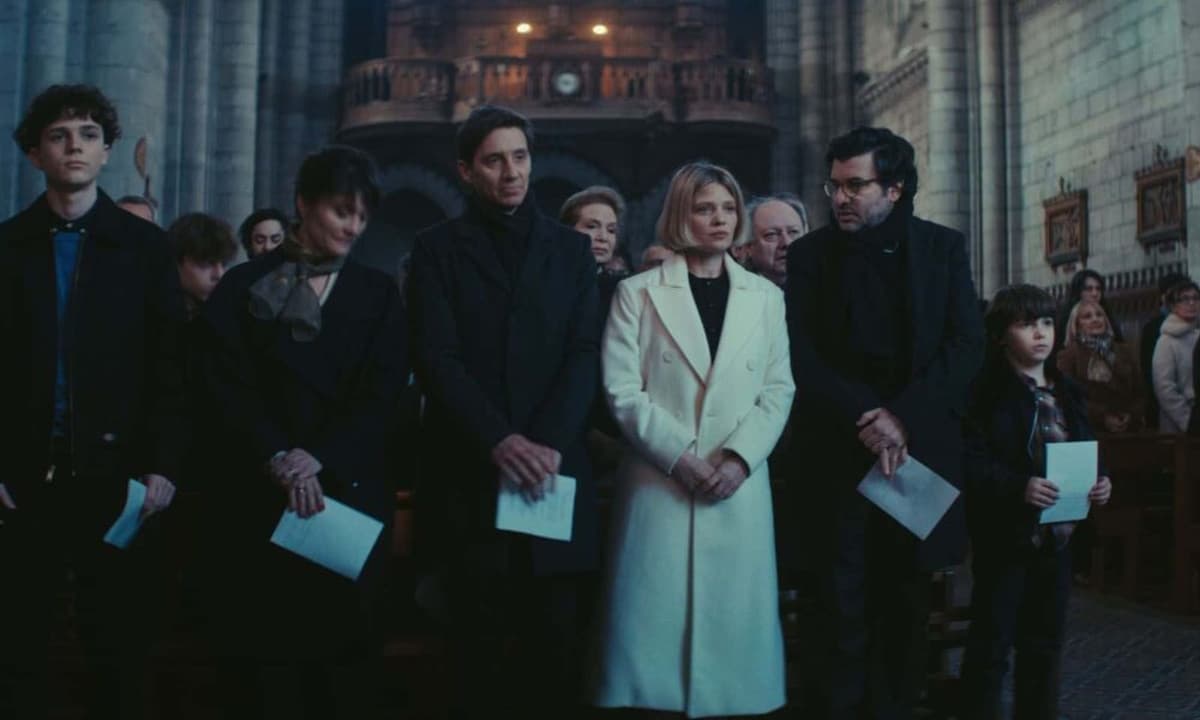
La Femme de marks director David Roux’s return to the French auteur tradition after his 2019 debut The Order of Physicians. By transplanting Hélène Lenoir’s introspective novel onto the screen, Roux leans on chiaroscuro lighting and a restrained score to craft a modern noir that feels both timeless and distinctly French. The visual language—gray mist, stone mansions near Angers, and deliberate pacing—recalls Claude Chabrol’s examinations of provincial hypocrisy, positioning the film as a bridge between classic French thriller sensibilities and contemporary storytelling.
At its core, La Femme de is a gendered critique of bourgeois expectations. Marianne, played by Mélanie Thierry, embodies the silent sacrifices expected of women in affluent families: she maintains household order, tends to an aging patriarch, and endures a marriage that values a male heir over emotional connection. The narrative’s lack of redemption underscores a growing trend in European cinema to portray female protagonists without the usual cathartic arcs, inviting audiences to confront uncomfortable realities about financial dependence and social invisibility. This thematic focus resonates with ongoing discussions about gender equity in the arts, making the film a talking point for cultural commentators and policy advocates alike.
From a business perspective, La Femme de faces modest domestic box‑office forecasts due to its niche appeal, yet its festival pedigree and critical depth enhance its value in secondary markets. International sales agents are likely to target art‑house circuits in North America and Asia, while streaming platforms such as MUBI and Netflix’s European catalog may acquire rights to broaden reach. The film also bolsters the marketability of its lead talent—Mélanie Thierry and co‑star Eric Caravaca—potentially driving future co‑production deals. In an era where content libraries prioritize diverse, high‑quality dramas, La Femme de offers a compelling, culturally rich asset for distributors seeking to enrich their French‑language portfolios.
La Femme de (2025)
Comments
Want to join the conversation?