‘Labyrinth’ Review: Legendary ‘Macross’ Creator Spends Too Much Time on Social Media
Why It Matters
‘Labyrinth’ signals how veteran anime auteurs are confronting modern social‑media themes, influencing future cross‑generational content. Its reception may shape studio decisions on blending legacy aesthetics with today’s digital culture.
Key Takeaways
- •Kawamori's debut feature film 'Labyrinth' targets teen social‑media culture
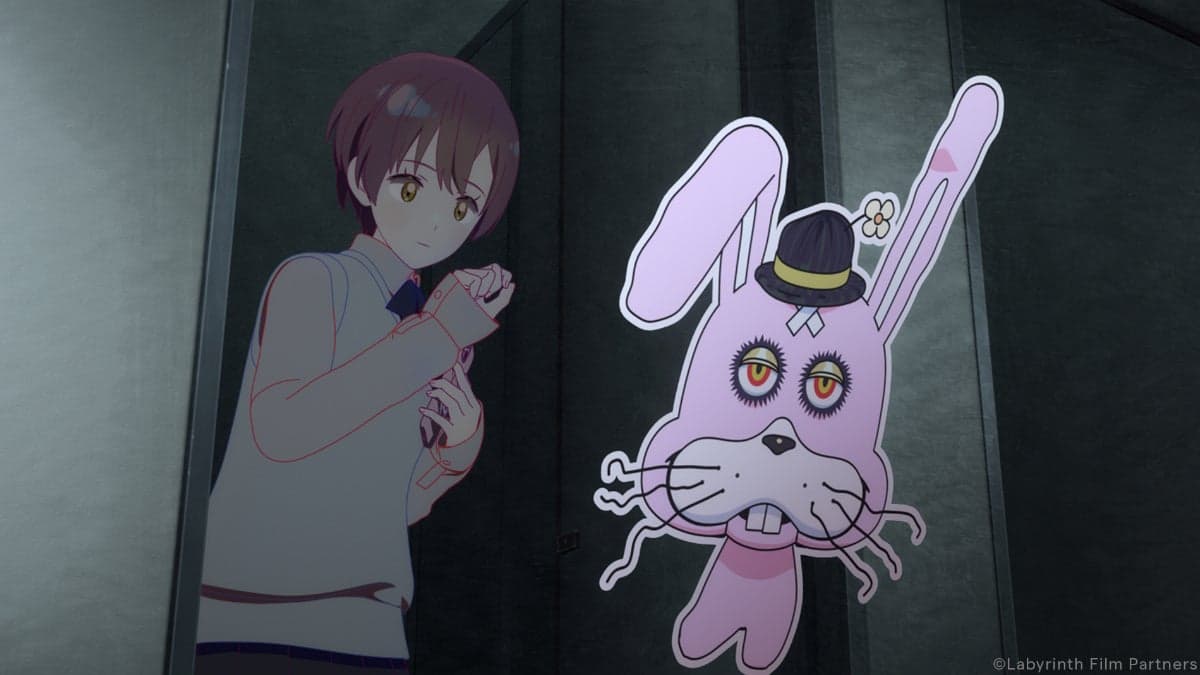
- •Story follows influencer Shiori trapped in a phone‑filled sticker realm
- •Stunning mech designs contrast with a scattered, gimmick‑heavy narrative
- •Film warns against validation‑seeking but delivers mixed, muddled messaging
- •Mixed reviews show classic anime creators struggle with digital‑era storytelling
Pulse Analysis
Shōji Kawamori, best known for pioneering the Macross franchise and the Diaclone toys that became Transformers, has spent most of his career shaping mecha‑driven anime. After decades of TV series and specials, his first full‑length theatrical effort, “Labyrinth,” arrives at a moment when Japanese creators are courting global streaming audiences. The film’s premise—an aspiring influencer trapped inside her own device as a digital sticker—directly taps into the anxiety surrounding constant online validation, positioning Kawamori’s legacy within a contemporary cultural debate.
The narrative uses a hyper‑stylized visual language that mirrors the chaos of a social‑media feed: rapid cuts, neon‑saturated cityscapes, and towering mechs that burst onto the screen with the kinetic flair of classic Macross battles. This aesthetic brilliance, however, competes with a storyline that jumps between satire, teen drama, and philosophical musings on identity. By literalizing the concept of an electronic doppelgänger, the film attempts to critique the pursuit of 100 million likes, yet the execution feels more gimmick than insight, leaving the cautionary message diluted amid the spectacle.
Critics note that while “Labyrinth” showcases Kawamori’s undeniable talent for world‑building, its fragmented plot and over‑reliance on visual set‑pieces hinder emotional resonance. The mixed reviews highlight a broader industry tension: legacy anime auteurs must balance nostalgic craftsmanship with the narrative expectations of a digital‑native audience. As studios weigh the commercial viability of such hybrid projects, “Labyrinth” may serve as a case study for future collaborations that aim to blend iconic mecha design with socially relevant storytelling.
‘Labyrinth’ Review: Legendary ‘Macross’ Creator Spends Too Much Time on Social Media
Comments
Want to join the conversation?
Loading comments...