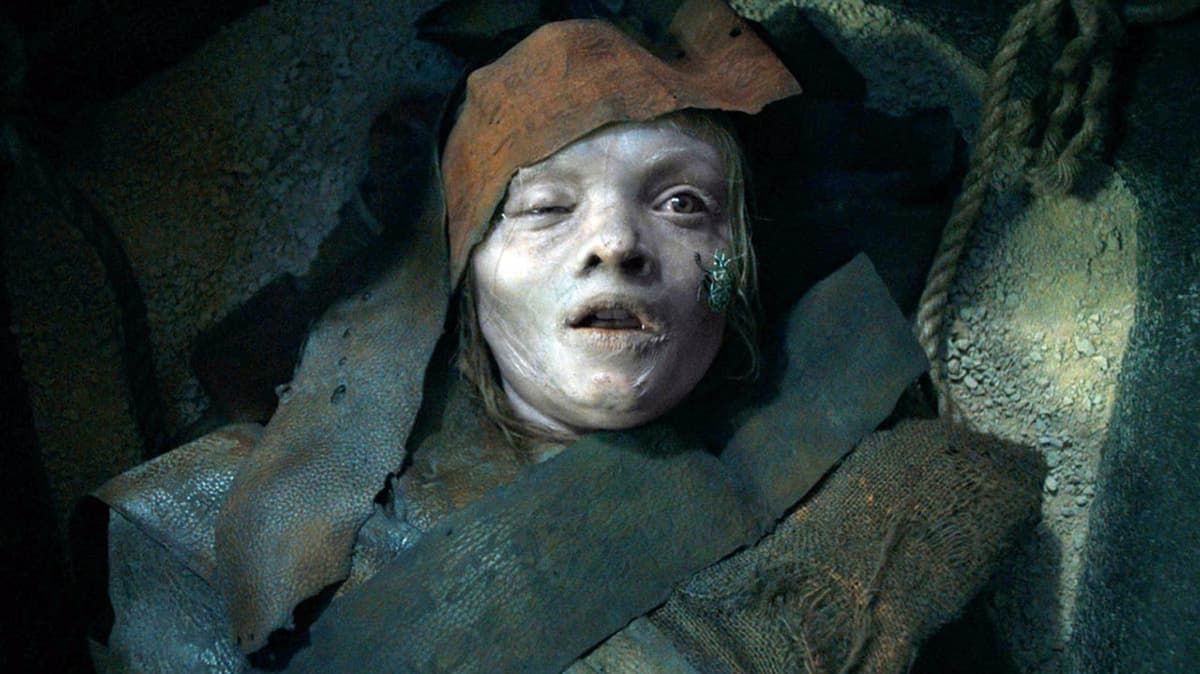
Lee Cronin's The Mummy Ending Doesn't Work For One Reason
Why It Matters
The botched epilogue exposes the risks of reactive editing, potentially eroding audience trust and sparking backlash over representation in mainstream horror.
Key Takeaways
- •Original ending tested poorly, prompting a tacked‑on epilogue.
- •Epigraphic epilogue resurrects villain, undermining father's sacrifice.
- •Critics note racist undertones in punishing Egyptian antagonist.
- •Film leans on gore, offering little narrative originality.
Pulse Analysis
Lee Cronin entered the horror market with "The Mummy," banking on visceral gore to stand out in a crowded genre. The film’s initial cut delivered a bleak, emotionally resonant climax where the patriarch sacrifices himself to trap an ancient Egyptian demon. However, early test screenings reportedly flagged the ending as too bleak, prompting studio executives to commission a post‑credits scene. This practice—common in big‑budget productions—often aims to appease broader audiences but can dilute the director’s original vision, as seen here.
The added epilogue resurrects the Magician, a previously shot antagonist, and forces her to become the demon’s new vessel. By undoing the father's self‑less act, the scene not only feels narratively redundant but also introduces a punitive tone that many viewers found mean‑spirited. Critics argue that the extra violence serves little purpose beyond shock value, eroding the emotional payoff of the original sacrifice. The backlash underscores how last‑minute reshoots can alienate core horror fans who value coherent storytelling over gratuitous spectacle.
Beyond narrative concerns, the epilogue raises questions about cultural representation. The Magician, portrayed as an Egyptian figure, is subjected to a second punishment that reinforces a trope of exoticizing and vilifying non‑Western characters. Such portrayals risk perpetuating racist undertones that have long plagued mummy‑themed cinema. As studios chase marketable scares, they must balance visceral thrills with responsible storytelling, ensuring that diversity on screen is handled with nuance rather than as a convenient plot device.
Lee Cronin's The Mummy Ending Doesn't Work For One Reason
Comments
Want to join the conversation?
Loading comments...