‘Living the Land’ Review: Rural China in Transition
Why It Matters
The story illustrates the labor shift that underpins China’s massive urbanization and productivity gains, offering investors insight into the demographic forces driving the country’s economic ascent.
Key Takeaways
- •Set in 1991 Henan, showing early tech infiltration
- •Highlights migration of farm families to cities
- •Portrays generational tension between tradition and modernization
- •Reflects China’s path to global economic power
- •Film underscores social costs of rapid development
Pulse Analysis
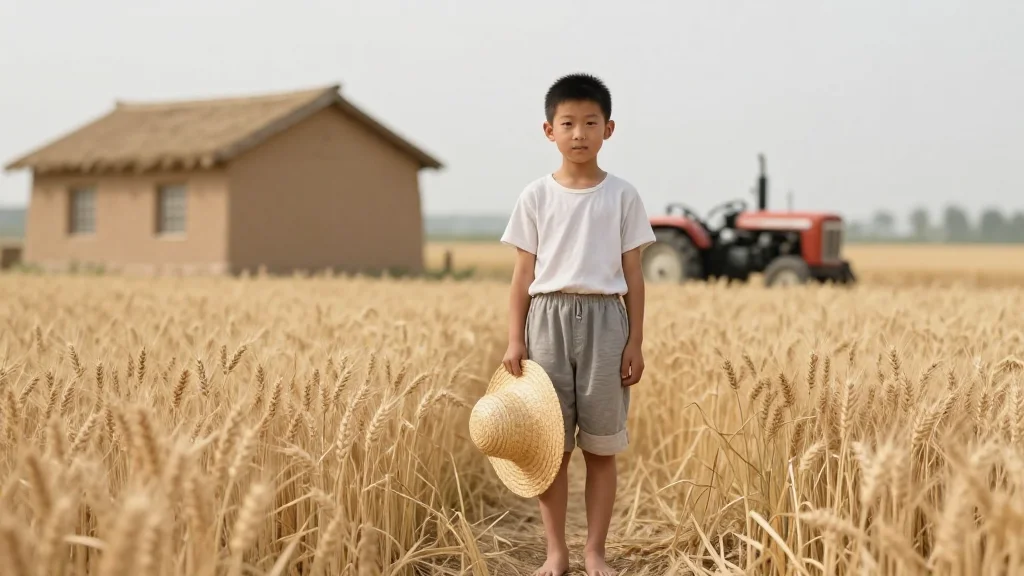
The film serves as a vivid time capsule of China’s early‑1990s rural reforms, a period when the government’s "household responsibility" policy and the introduction of low‑cost machinery began to erode centuries‑old agrarian practices. By anchoring the narrative in Chuang’s schoolyard observations, the director captures how information—radio reports of unrest abroad and whispers of automated harvesters—filtered into isolated villages, signaling the first cracks in a self‑sufficient economy. This cultural lens helps business leaders understand the grassroots origins of China’s later manufacturing boom.
From an economic perspective, the migration depicted in the movie mirrors the massive labor reallocation that propelled China to become the world’s factory floor. As young adults left fields for factories in coastal cities, productivity surged, wages rose, and a new consumer class emerged. The film’s subtle nods to mechanization foreshadow the digital transformation now sweeping Chinese agriculture, where drones, AI‑driven irrigation, and robotics are reshaping supply chains and creating opportunities for foreign technology partners.
For investors and policymakers, ‘Living the Land’ underscores the social trade‑offs embedded in rapid development—family fragmentation, cultural loss, and the psychological toll of change. Recognizing these human dimensions is crucial when assessing long‑term sustainability of China’s growth model. The movie’s international release also highlights the soft‑power potential of Chinese storytelling, offering a nuanced narrative that can inform cross‑border collaborations and shape global perceptions of China’s evolving economic landscape.
‘Living the Land’ Review: Rural China in Transition
Comments
Want to join the conversation?
Loading comments...