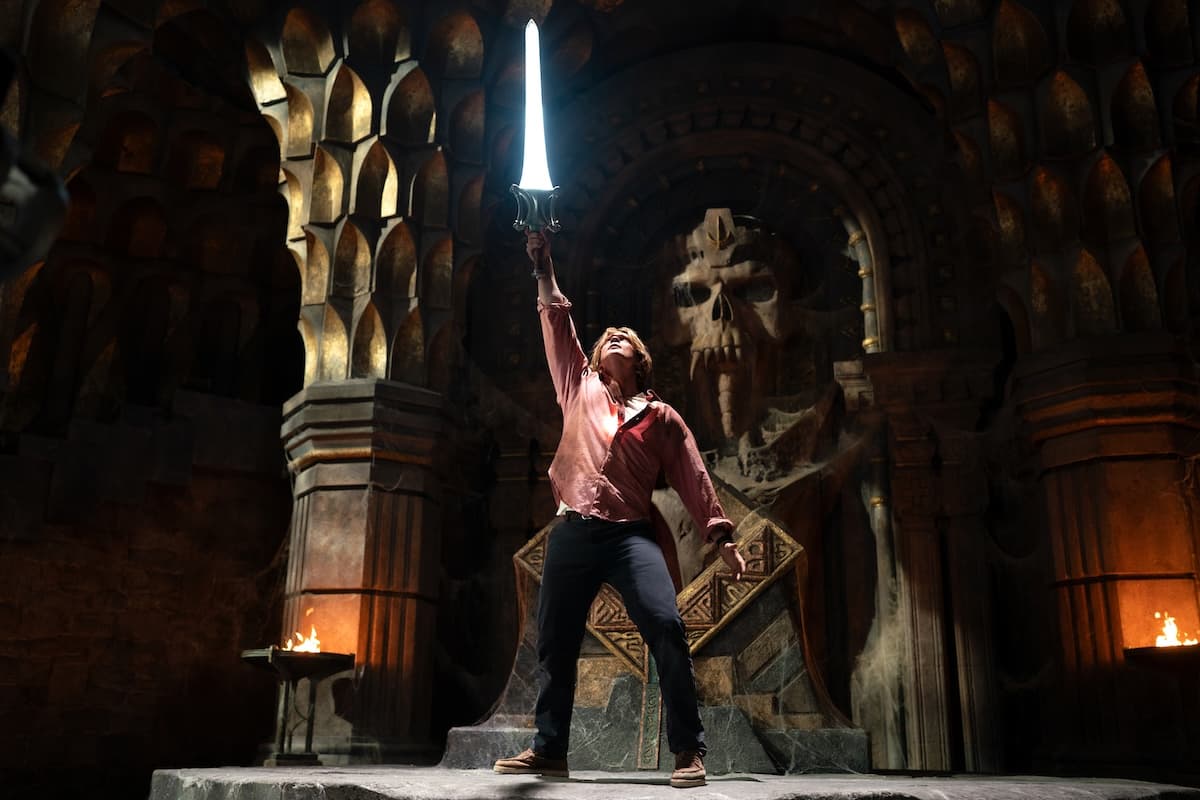
Masters of the Universe Hopes to Follow Barbie’s Lead and Question Gender Roles
Why It Matters
It signals a growing willingness for legacy toy franchises to engage with social issues, potentially expanding their audience and influencing box‑office performance. The approach could set a template for future franchise reboots seeking relevance beyond pure spectacle.
Key Takeaways
- •Film targets both nostalgia fans and modern audiences with gender commentary
- •Director Travis Knight frames He‑Man as lens on contemporary masculinity
- •Trailer shows hyper‑muscular hero juxtaposed with office‑drone satire
- •Self‑aware humor balances action spectacle with critique of 80s gender tropes
- •Release aligns with trend of franchise movies tackling social issues
Pulse Analysis
The resurgence of 1980s toy franchises in cinema reflects a broader industry shift toward socially resonant storytelling. After “Barbie” proved that a playful brand could spark serious conversations about gender, studios are re‑examining their legacy properties for similar relevance. “Masters of the Universe” leverages its iconic muscle‑bound hero to explore what masculinity looks like in today’s cultural climate, positioning the film as both a nostalgic ride and a commentary on evolving gender expectations.
Director Travis Knight and writer Chris Butler have deliberately infused the script with self‑aware humor and modern sensibilities. The trailer juxtaposes Nicholas Galitzine’s hyper‑muscular He‑Man with a mundane office‑worker scenario, underscoring the tension between the character’s original “real‑men‑don’t‑cry” ethos and contemporary calls for emotional openness. By pairing epic sword fights and CGI‑heavy battles with moments that mock the very tropes they celebrate, the film attempts to balance spectacle with a critique of the 1980s hyper‑masculine narrative.
From a business perspective, the film’s dual appeal could broaden its demographic reach, attracting both longtime fans and viewers drawn to its gender‑role discourse. A successful blend of action and cultural relevance may encourage other legacy brands to adopt similar strategies, potentially revitalizing box‑office prospects for properties that once relied solely on nostalgia. With a June 5, 2026 release, “Masters of the Universe” arrives at a moment when audiences increasingly expect blockbuster entertainment to reflect current social dialogues, positioning it as a bellwether for future franchise reboots.
Masters of the Universe Hopes to Follow Barbie’s Lead and Question Gender Roles
Comments
Want to join the conversation?
Loading comments...