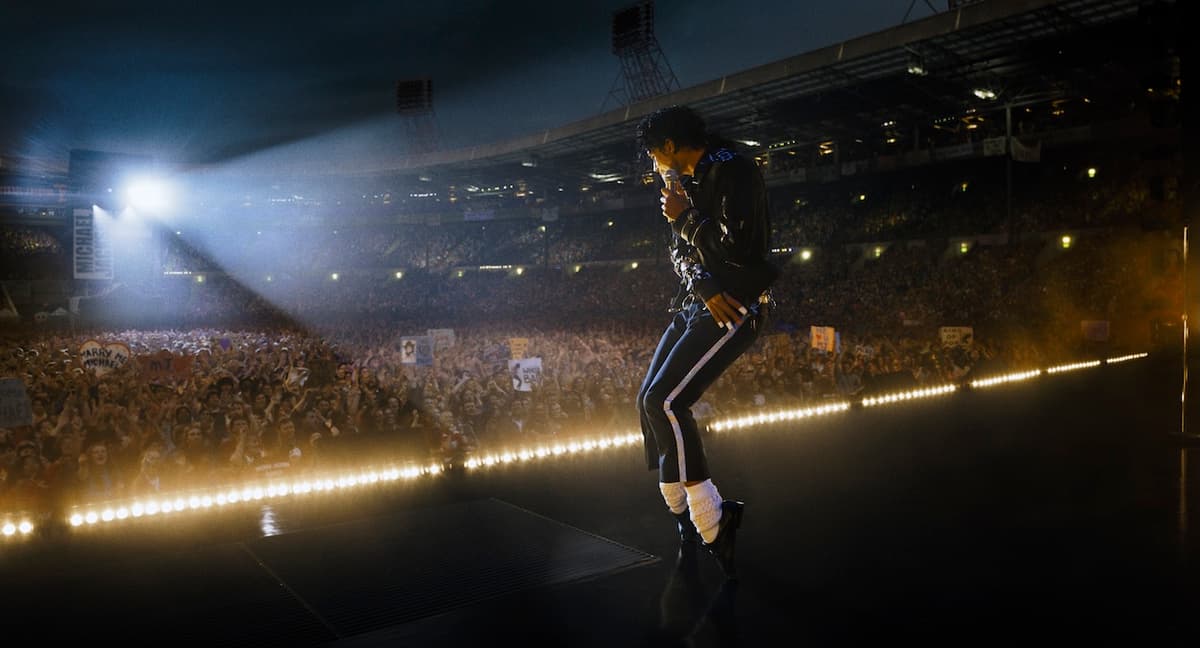
Michael Can Inspire a Different Type of Theatrical Experience
Why It Matters
The surge of interactive screenings signals a shift in audience expectations, prompting theaters and studios to rethink venue design and distribution strategies. It also opens new revenue streams by monetizing the concert‑like atmosphere around film releases.
Key Takeaways
- •"Michael" holds 38% critic vs 97% fan Rotten Tomatoes scores
- •Fans sing and dance during screenings, creating concert vibes
- •Participatory viewings trace back to silent era and Rocky Horror
- •Theaters may need dedicated "event" formats for interactive films
- •Interactive screenings generate fresh revenue and boost audience loyalty
Pulse Analysis
The release of "Michael" has ignited a cultural flashpoint in moviegoing. While critics dismissed the film for its uneven storytelling, fans have embraced it as a celebration of the King of Pop’s catalog, flooding theaters with spontaneous sing‑alongs and choreography. This divergence is reflected in the film’s Rotten Tomatoes metrics—38% from critics versus a soaring 97% from audiences—underscoring how fan enthusiasm can outweigh traditional critical appraisal when the content taps into nostalgia and pop‑culture reverence.
Participatory cinema is not a novel invention; it harks back to the early 20th‑century spectacle where audiences were expected to react, laugh, and even shout. From Georges Méliès’ magical tricks to the midnight cult rituals of "The Rocky Horror Picture Show," moviegoers have long blurred the line between spectator and performer. Recent examples such as Taylor Swift’s "Eras Tour" film and Billie Eilish’s 3D concert experience demonstrate how technology can heighten immersion, yet the raw, unmediated energy of fans dancing during "Michael" remains distinct—a hybrid of film and live concert that challenges conventional theater etiquette.
For the exhibition industry, this trend presents both a challenge and an opportunity. Chains may need to allocate specific auditoriums for “event” screenings, equipped with flexible seating and sound mixes that accommodate audience participation without compromising the viewing experience for traditional patrons. Distributors can capitalize on the hype by marketing films as experiential events, driving higher ticket prices and ancillary sales such as merchandise. As cinema continues to evolve beyond passive consumption, embracing interactive formats could become a vital revenue pillar, reshaping how studios plan releases and how theaters curate their programming.
Michael Can Inspire a Different Type of Theatrical Experience
Comments
Want to join the conversation?
Loading comments...