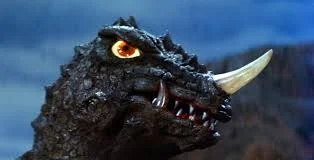
Mine Is Still Bigger Than Yours (The Giant Behemoth, Reptilicus And Yongary On The Rampage)
Key Takeaways
- •The Giant Behemoth (1959) was a UK response to Godzilla.
- •Reptilicus (1962) filmed in Danish and English versions simultaneously.
- •Yongary (1967) claimed a 1,600‑foot monster, a Korean‑Japanese co‑production.
- •All three films underperformed commercially but gained cult followings.
- •Yongary suit cost $5,000; lead actor earned $400.
Pulse Analysis
The post‑war era saw a surge of monster cinema as studios worldwide chased the lucrative formula pioneered by Japan’s Godzilla. While American and Japanese studios dominated the market, Britain, Denmark, and South Korea each launched their own kaiju entries, leveraging local talent and modest budgets to tap into audience fascination with atomic‑age anxieties. This cross‑border experimentation laid groundwork for today’s co‑production models, where risk is shared and cultural specificity becomes a selling point on global platforms.
The Giant Behemoth, Reptilicus, and Yongary each embody distinct production strategies. The British effort relied on Willis O’Brien’s stop‑motion expertise but suffered from limited distribution, earning an X‑certificate and a box‑office flop. Denmark’s Reptilicus pursued a bilingual shoot, creating separate cuts for domestic and U.S. markets—a rare early example of tailoring content for divergent audiences. Yongary’s Korean‑Japanese partnership combined a $5,000 rubber suit with a modest $400 actor fee, reflecting frugal resource allocation while still aiming for international TV sales. Though none recouped costs, their quirky special effects and regional flavor have cemented them as cult classics.
In the streaming age, these obscure titles experience renewed visibility through niche channels and algorithm‑driven recommendations. Platforms can monetize legacy libraries by bundling them with premium franchises, while fan‑driven events and retro‑themed merchandise generate ancillary revenue. The enduring appeal of low‑budget monster movies underscores a broader lesson: compelling concepts and cultural resonance often outweigh production scale, offering viable pathways for independent studios to compete in today’s fragmented media landscape.
Mine Is Still Bigger Than Yours (The Giant Behemoth, Reptilicus And Yongary On The Rampage)
Comments
Want to join the conversation?