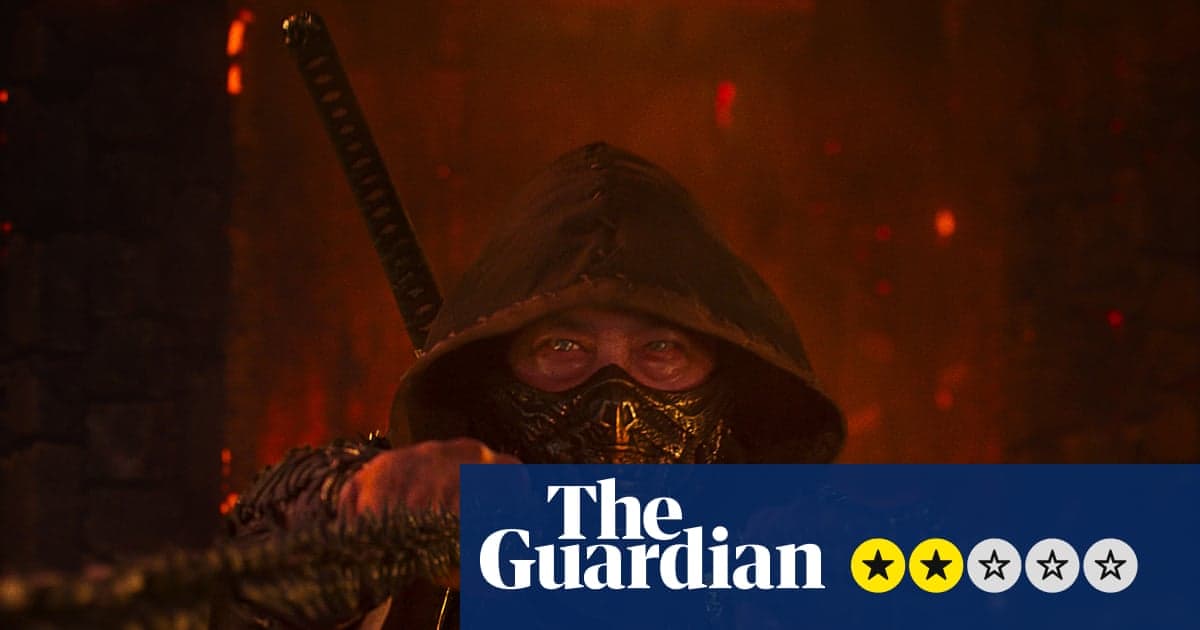
Mortal Kombat II Review – Junky Game-to-Movie Sequel Offers More of the Same
Companies Mentioned
Why It Matters
The lukewarm reception highlights the difficulty of translating interactive game worlds into blockbuster cinema, influencing Warner’s future release strategies for gaming IPs. It also underscores the growing importance of streaming revenue over traditional box‑office performance for niche franchises.
Key Takeaways
- •Mortal Kombat II skips the iconic tournament, disappointing fans
- •Warner released the film simultaneously in cinemas and on HBO Max
- •Critics cite thin plot and choppy fight choreography as major flaws
- •Karl Urban returns as Johnny Cage, but script offers little humor
- •Box office modest; streaming numbers expected to drive revenue
Pulse Analysis
The video‑game‑movie hybrid has become a staple of modern Hollywood, with franchises like *Mario* and *Sonic* proving that brand recognition can translate into box‑office buzz. Warner Bros. rode that wave in 2021 when the first *Mortal Kombat* film became the most‑streamed title on HBO Max, eclipsing even high‑budget releases such as *Dune*. That success encouraged a dual‑release model—simultaneous theatrical and streaming launch—aimed at maximizing audience reach while hedging against the lingering effects of the pandemic on theater attendance.
*Mortal Kombat II* attempts to build on its predecessor’s formula but falls short on several fronts. Director Simon McQuoid retains the franchise’s signature gore, yet the fight sequences feel disjointed, and the narrative omits the tournament that defines the game’s core appeal. The script, penned by Jeremy Slater, swings between earnest drama and forced self‑awareness, leaving the returning cast—Jessica McNamee as Sonya Blade, Mehcad Brooks as Jax, and Karl Urban as Johnny Cage—without a cohesive tonal anchor. Critics point to the film’s thin world‑building, under‑cooked character arcs, and a visual style that feels more suited to a late‑night TV slot than a premium IMAX screen.
The mixed reception carries broader implications for studios eyeing gaming adaptations. While streaming platforms can cushion underperforming theatrical runs, audiences increasingly demand that film versions capture the interactive spirit of the source material, not just its surface aesthetics. Warner’s experience suggests a recalibration: future titles may prioritize tighter storytelling and platform‑appropriate budgets over blockbuster ambitions. As the industry balances fan expectations with revenue models, the *Mortal Kombat* saga serves as a cautionary tale that brand power alone cannot guarantee cinematic success.
Mortal Kombat II review – junky game-to-movie sequel offers more of the same
Comments
Want to join the conversation?
Loading comments...