Key Takeaways
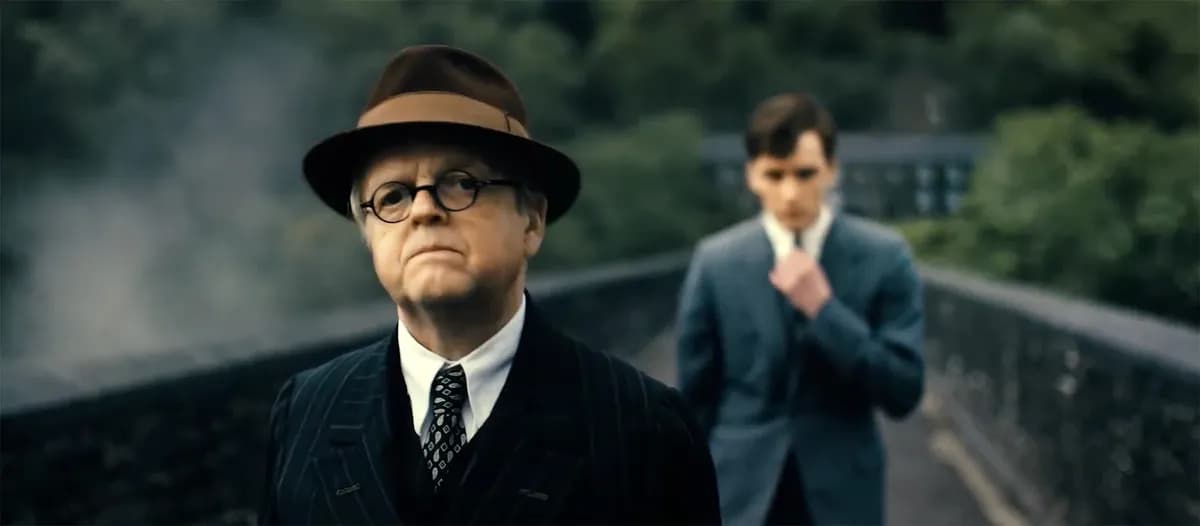
- •Toby Jones leads as Mr. Burton
- •Harry Lawtey excels with complex vocal performance
- •Film examines language as class barrier
- •Port Talbot setting enhances historical authenticity
Pulse Analysis
The release of "Mr. Burton" arrives at a moment when audiences crave authentic, region‑focused storytelling. By centering on a modest Welsh teacher rather than the famed actor he inspired, the film underscores how local educators can shape global cultural icons. This perspective aligns with a broader industry shift toward biopics that prioritize under‑represented communities, offering fresh narratives that expand the traditional Hollywood canon.
Performance-wise, the movie stands out for its intricate vocal dynamics. Toby Jones, typically a supporting player, commands the screen with subtle gestures, while Harry Lawtey navigates a layered accent challenge—portraying a Welsh student learning an English‑styled speech to access elite opportunities. Their interplay spotlights the tension between personal identity and societal expectations, a theme resonating with contemporary debates about cultural assimilation and class mobility.
From a production angle, shooting on location in Port Talbot and meticulously recreating 1940s Wales adds a tactile realism that elevates the story beyond a simple celebrity portrait. The film’s attention to period detail—costumes, set design, and ambient alcohol‑laden taverns—immerses viewers in the era’s socioeconomic pressures. This commitment to authenticity not only enriches the narrative but also positions "Mr. Burton" as a case study for filmmakers aiming to blend historical fidelity with compelling character drama, appealing to both art‑house audiences and mainstream viewers seeking depth.
Mr. Burton - Jennie Kermode - 20286
Comments
Want to join the conversation?