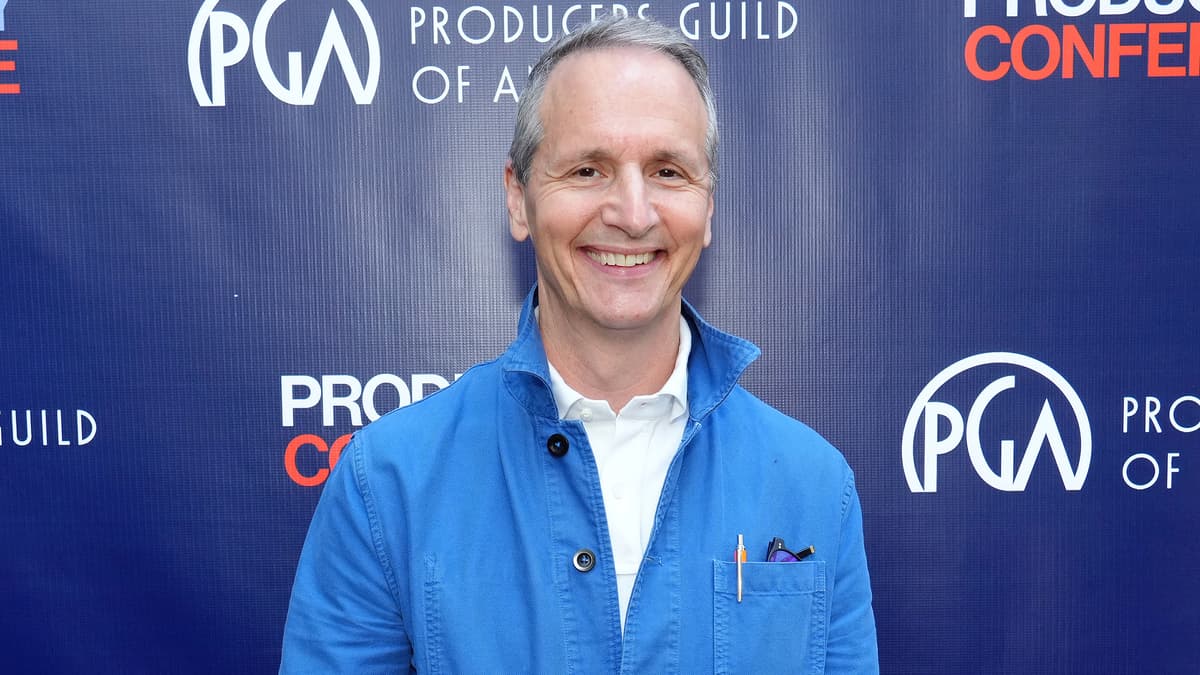
Neon Boss Tom Quinn Isn’t A Fan Of Industry Consolidation: “How Would You Feel If A24 & Neon Merged? That Would Be Ridiculous”
Companies Mentioned
Why It Matters
Quinn’s stance signals growing resistance among successful independents to industry consolidation, preserving competitive diversity and alternative distribution models in a market dominated by a few mega‑studios.
Key Takeaways
- •Quinn warns consolidation stifles indie decision‑making speed
- •Neon values low‑overhead model over corporate bureaucracy
- •Cannes Palme d’Or win underscores Neon’s curatorial strength
- •Department M stake talks hint at strategic partnership, not merger
- •Quinn rejects algorithm‑driven “Uber‑ization” of film distribution
Pulse Analysis
The entertainment landscape is accelerating toward fewer, larger conglomerates, as illustrated by the recent Paramount‑Warner Bros merger. While scale promises cost synergies, it also introduces complex hierarchies that can slow creative decisions. Tom Quinn’s outspoken criticism reflects a broader anxiety among independent distributors that such consolidation could erode the nimble, risk‑taking culture that fuels innovative cinema. By comparing a potential A24‑Neon merger to an absurd fantasy, Quinn underscores the cultural and operational mismatch between boutique labels and corporate behemoths.
Neon’s recent Cannes success provides a compelling counter‑argument to the notion that only massive studios can secure prestige and market relevance. The Palme d’Or for *Fjord* and multiple FIPRESCI and acting awards demonstrate that a lean, genre‑agnostic approach can attract top‑tier talent and critical acclaim. Quinn’s philosophy—rolling the dice on filmmakers he finds compelling, regardless of commercial predictability—leverages a low‑overhead structure that sidesteps the bureaucratic inertia common in larger studios. This model not only preserves artistic freedom but also enables rapid green‑lighting, a competitive edge in an industry where timing can dictate a film’s cultural impact.
Looking ahead, Neon’s exploratory talks with Department M suggest a nuanced path forward: strategic investment without surrendering autonomy. Such partnerships could provide capital and distribution muscle while retaining the independent ethos that differentiates Neon. Quinn’s rejection of algorithm‑driven “Uber‑ization” further signals a commitment to human‑centric curation over data‑only decisions. For investors and filmmakers, his stance reaffirms that viable, independent avenues remain, preserving a diversified ecosystem that benefits both creators and audiences.
Neon Boss Tom Quinn Isn’t A Fan Of Industry Consolidation: “How Would You Feel If A24 & Neon Merged? That Would Be Ridiculous”
Comments
Want to join the conversation?
Loading comments...