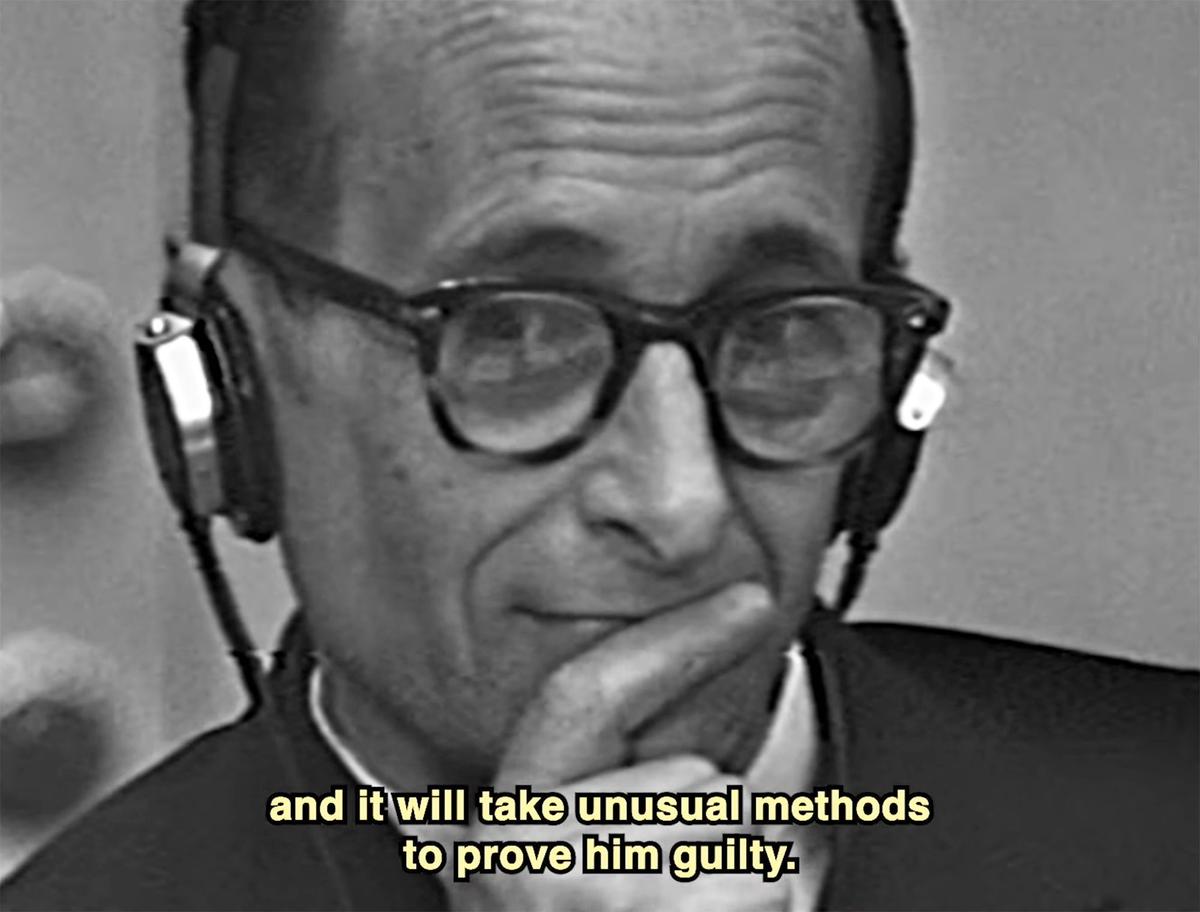
New Trailer for History Documentary 'The Eichmann Trial' About 1961
•March 6, 2026
0
Why It Matters
The documentary’s expanded distribution reinforces Holocaust education at a time when denial narratives persist, and it demonstrates the market demand for historically grounded streaming content.
Key Takeaways
- •Trailer released by Madman Films for Australian market
- •Documentary uses only archival footage of 1961 trial
- •Film premiered at 2023 Miami Jewish Film Festival
- •Eichmann trial sparked global Holocaust awareness
- •Available on U.S. VOD, now released in Australia
Pulse Analysis
The 1961 Eichmann trial remains a watershed moment in modern history, not only for bringing a chief architect of the Holocaust to justice but also for broadcasting the horrors of genocide to a worldwide audience. By televising the proceedings, the trial transformed abstract statistics into visceral testimony, laying the groundwork for contemporary human‑rights law and collective memory. Revisiting this event through a documentary underscores its enduring relevance as societies grapple with the resurgence of extremist ideologies.
Elliott Levitt’s *The Eichmann Trial* distinguishes itself by stitching together never‑before‑seen archival footage, courtroom recordings, and period news broadcasts, offering viewers an unmediated glimpse into the four‑month legal saga. Levitt, known for editing *The Passengers* and *Citizen Athlete*, makes his feature‑directing debut with a film that premiered at the Miami Jewish Film Festival in 2023 before moving to U.S. video‑on‑demand platforms in 2024. The recent Australian trailer, distributed by Madman Films, signals the documentary’s transition from festival circuit to broader commercial release.
The film’s arrival in Australia expands access to a crucial educational tool at a time when Holocaust denial resurfaces in public discourse. Streaming availability ensures that educators, students, and general audiences can engage with primary source material without the barriers of traditional cinema. As streaming services prioritize historically rich content, *The Eichmann Trial* exemplifies how documentary cinema can both preserve memory and generate commercial viability, reinforcing the imperative to keep the lessons of the past in the public eye.
New Trailer for History Documentary 'The Eichmann Trial' About 1961
0
Comments
Want to join the conversation?
Loading comments...