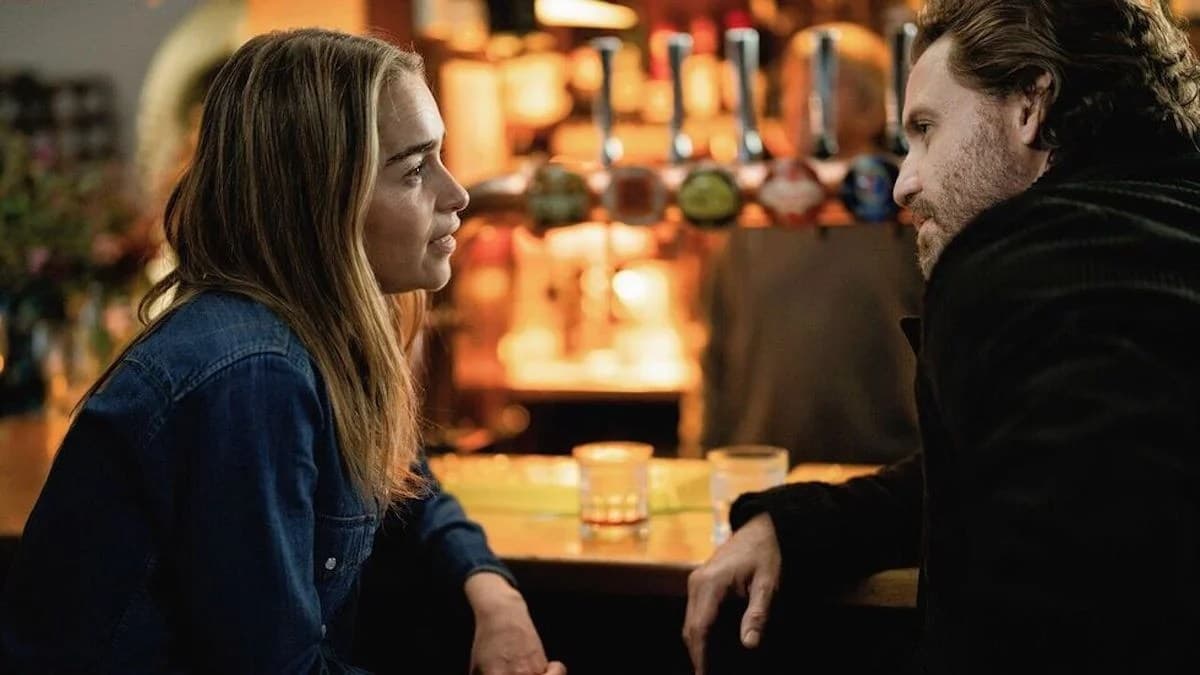
‘Next Life’ Review: Emilia Clarke’s Sliding Doors Romance Needs One More Alternative Existence
Why It Matters
The film highlights the growing appetite for multiverse storytelling in mainstream cinema, while testing Clarke’s post‑‘Game of Thrones’ star power in a romantic lead. Its mixed reception may influence future investment in alternate‑reality romances on streaming platforms.
Key Takeaways
- •Clarke leads dual‑timeline romance in ‘Next Life’.
- •Jack Farthing’s Noah appears villainous, then supportive.
- •Édgar Ramírez’s Diego feels detached, lacking chemistry.
- •Director Doremus favors Diego’s path, bias evident.
- •Cinematography and score add warmth to artistic timeline.
Pulse Analysis
The multiverse concept has migrated from superhero blockbusters to intimate dramas, and ‘Next Life’ is a prime example of that shift. By presenting two parallel lives for its heroine, the film taps into audiences’ fascination with “what‑if” scenarios, a trend amplified by streaming services that favor binge‑worthy, conversation‑starter titles. This approach also reflects a broader industry move toward narrative experiments that can be marketed across multiple genres, from romance to speculative fiction, expanding a film’s discoverability in crowded digital catalogs.
Performance-wise, Emilia Clarke carries the emotional core of the story, yet the film’s uneven chemistry undermines its romantic stakes. Jack Farthing transforms a stereotypical corporate antagonist into a surprisingly earnest partner, offering a nuanced take on redemption arcs. In contrast, Édgar Ramírez’s Diego, despite his musical talent, remains emotionally distant, limiting audience investment in the artistic timeline. Director Drake Doremus’s editing choices—favoring the loft‑filled, jazz‑infused world—signal a clear narrative bias, which, while intentional, narrows the film’s thematic balance. The visual palette, crafted by cinematographer Marianne Bakke, and Dan Romer’s evocative score, however, elevate the artistic side, providing a sensory contrast that underscores the story’s central dilemma.
For Clarke, ‘Next Life’ serves as a litmus test for her post‑‘Game of Thrones’ trajectory, positioning her in a genre that blends indie sensibility with mainstream romance. The film’s mixed critical response may affect how studios and streaming platforms allocate budgets for similar alternate‑reality projects, especially those hinging on star power versus narrative innovation. As audiences continue to seek fresh storytelling structures, the success—or shortcomings—of ‘Next Life’ will likely inform future greenlights, shaping the balance between experimental premises and the need for compelling, chemistry‑driven performances.
‘Next Life’ Review: Emilia Clarke’s Sliding Doors Romance Needs One More Alternative Existence
Comments
Want to join the conversation?
Loading comments...