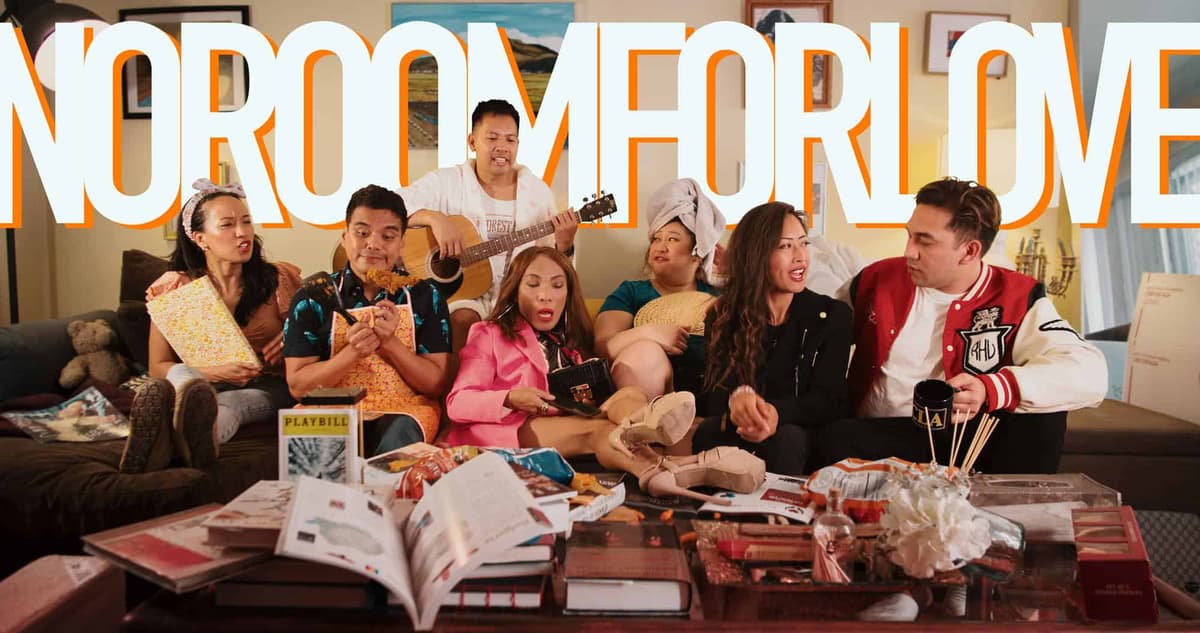
No Room for Love (2026) by Maria Luna Kamradt and Randal Kamradt Short Film Review
Key Takeaways
- •Feature compiled from 2024 TV series, debuted at Cinequest
- •Follows Filipino cousins navigating LA entertainment industry
- •Low‑fi aesthetic satirizes classic Hollywood tropes
- •Packed with Filipino‑American inside jokes and Jollibee cameo
- •Critics note charm despite amateur production quality
Pulse Analysis
Indie filmmakers increasingly turn to festival circuits to validate and monetize content that originated on streaming platforms or limited series. By re‑editing their 2024 four‑episode series into a 90‑minute feature, Maria and Randal Kamradt leveraged the Cinequest Film & Creativity Festival’s reputation for spotlighting innovative storytelling. This strategy not only extends the lifespan of existing footage but also opens doors to distribution deals, grant opportunities, and press coverage that single‑episode releases rarely attract. The move reflects a broader industry trend where creators maximize ROI by repackaging serial narratives for theatrical and on‑demand markets.
"No Room for Love" fills a notable gap in mainstream American cinema by foregrounding the Filipino‑American experience in Los Angeles. The film’s plot—cousins chasing acting gigs, dealing with eviction, and juggling family expectations—mirrors real‑world challenges faced by many immigrant artists. By weaving familiar cultural touchstones such as Jollibee and Filipino slang into its dialogue, the movie cultivates a sense of authenticity that resonates with diaspora audiences while offering non‑Filipino viewers a glimpse into a vibrant subculture. This cultural specificity can attract niche streaming platforms and advertisers seeking to engage the rapidly growing U.S. Filipino market, estimated at over 4 million households.
The deliberate low‑budget visual style—black‑and‑white post‑processing, handheld camera work, and on‑screen text messages—serves both as satire of classic Hollywood and as a pragmatic choice for a modest production budget. Critics note that while the aesthetic can feel jarring, it reinforces the film’s self‑aware humor and underscores the characters’ outsider status within the industry. Such stylistic decisions often polarize audiences but can generate buzz on social media, especially when paired with insider jokes that spark word‑of‑mouth promotion. For the Kamradts, this approach positions them as bold indie auteurs capable of turning technical constraints into a narrative advantage, potentially paving the way for future collaborations with larger studios interested in authentic, community‑driven content.
No Room for Love (2026) by Maria Luna Kamradt and Randal Kamradt Short Film Review
Comments
Want to join the conversation?