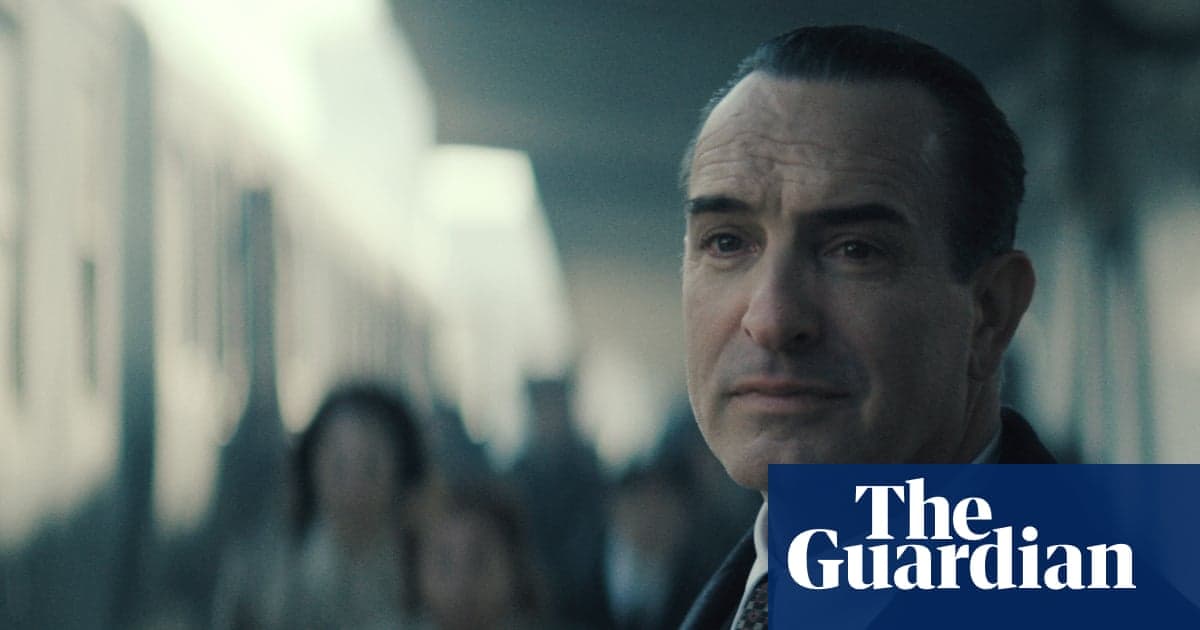
‘Nobody Would Forgive Me if I Told the Truth’: New Film About Pacifist Turned Nazi Collaborator Divides France
Companies Mentioned

Fouquet’s
Gaumont
GAM
Why It Matters
The movie revives France’s contested memory of Vichy, influencing how the public and policymakers discuss historical accountability. Its commercial success shows a strong appetite for nuanced, controversial history in mainstream cinema.
Key Takeaways
- •Film attracted 300,000 French cinemagoers in opening week
- •Portrays journalist Jean Luchaire as charismatic, not pure ideologue
- •Triggers left‑right split over Vichy collaboration depiction
- •Shows elite moral ambiguity amid Nazi occupation
- •Revives debate on France’s resistancialisme myth
Pulse Analysis
French cinema has long skirted the Vichy era, treating collaboration as a taboo that threatened the post‑war myth of universal resistance. Giannoli’s decision to confront that myth head‑on reflects a broader cultural shift, where filmmakers use high‑budget productions to question national narratives. By situating the story within the glamorous yet corrupt elite circles of occupied Paris, the film taps into contemporary concerns about how media and wealth can be weaponised to legitimize extremist regimes. This approach resonates with audiences still grappling with the legacy of fake news and propaganda.
The narrative choices in *Les Rayons et les Ombres* are deliberately provocative. Casting Oscar‑winner Jean Dujardin as the suave press baron Jean Luchaire humanises a figure traditionally portrayed as a villain, while newcomer Nastya Golubeva Carax embodies a conflicted Corinne Luchaire whose silence mirrors many post‑war testimonies. The film’s lavish banquet scenes, authentic caviar details, and the inclusion of Otto Abetz illustrate how cultural allure masked moral decay. Critics on the left argue this aestheticisation risks sanitising collaboration, whereas right‑leaning reviewers commend the nuanced portrayal of personal ambition over ideological fanaticism.
Beyond artistic debate, the film’s box‑office traction signals a market for historically complex stories that challenge comfortable narratives. Its success may encourage other European studios to invest in projects that blend rigorous scholarship with mainstream appeal, potentially reshaping public discourse on wartime accountability. Moreover, the controversy underscores the power of cinema to influence collective memory, prompting educators, policymakers, and media outlets to revisit how the Vichy period is taught and remembered in a digital age where historical revisionism can spread rapidly.
‘Nobody would forgive me if I told the truth’: new film about pacifist turned Nazi collaborator divides France
Comments
Want to join the conversation?
Loading comments...