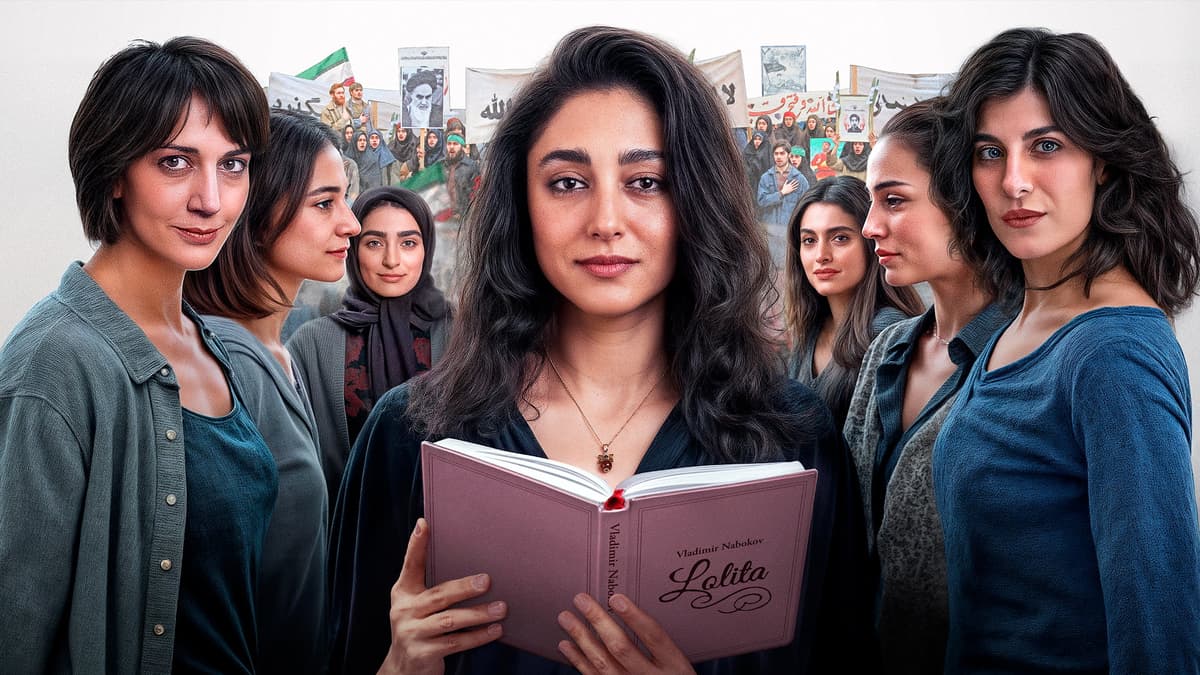
Official Trailer for 'Reading Lolita in Tehran' With Golshifteh Farahani
Why It Matters
The movie spotlights how literature can subvert authoritarian control, offering U.S. audiences a rare cinematic window into Iranian women’s cultural defiance and expanding the market for politically charged foreign‑language dramas.
Key Takeaways
- •Trailer drops July 2026, U.S. theatrical release July 10.
- •Film won Audience Award and Special Jury Prize at Rome 2024.
- •Golshifteh Farahani leads as Azar Nafisi, highlighting Iranian women's resistance.
- •Adaptation of bestselling memoir shows secret reading of Western classics.
- •Greenwich Entertainment and Kanopy handle limited‑release distribution in U.S.
Pulse Analysis
Reading Lolita in Tehran arrives at a moment when global audiences are hungry for stories that blend personal courage with political commentary. Based on Azar Nafisi’s memoir, the film dramatizes clandestine study groups where Iranian women discuss forbidden Western novels, from Nabokov to Austen. Director Eran Riklis, known for navigating complex geopolitical narratives, translates the memoir’s tension into a visual language that underscores literature’s role as a quiet form of rebellion. The film’s early festival success—winning both the Audience Award and Special Jury Prize at Rome—signals strong critical appetite for nuanced portrayals of life under Iran’s post‑revolutionary regime.
From a distribution standpoint, the partnership between Greenwich Entertainment and Kanopy positions the movie for a hybrid release strategy. While a limited theatrical run beginning July 10, 2026 will attract cinephiles and awards‑season voters, Kanopy’s streaming platform will extend reach to academic institutions and libraries that value educational content. This dual‑channel approach reflects a broader industry shift toward maximizing niche film exposure without relying on wide‑scale box‑office draws. Moreover, the involvement of high‑profile talent like Golshifteh Farahani adds star power that can draw mainstream attention to a story rooted in Iranian cultural history.
The broader implications extend beyond box‑office metrics. By foregrounding the act of reading as resistance, the film contributes to ongoing dialogues about censorship, gender rights, and the soft power of art. Its release may inspire renewed interest in Iranian literature and memoirs, prompting publishers to revisit titles previously deemed too controversial for Western markets. As awards season approaches, Reading Lolita in Tehran could become a contender for categories that honor foreign language and socially impactful storytelling, further cementing the commercial viability of politically resonant cinema.
Official Trailer for 'Reading Lolita in Tehran' with Golshifteh Farahani
Comments
Want to join the conversation?
Loading comments...