Key Takeaways
- •Beautiful cinematography contrasts bleak storyline
- •Explores Chinese labor exploitation on early railroads
- •Narrative deemed pretentious, limiting broad appeal
- •Strong performances amid heavy symbolism
- •Highlights indie film market risks for streaming services
Pulse Analysis
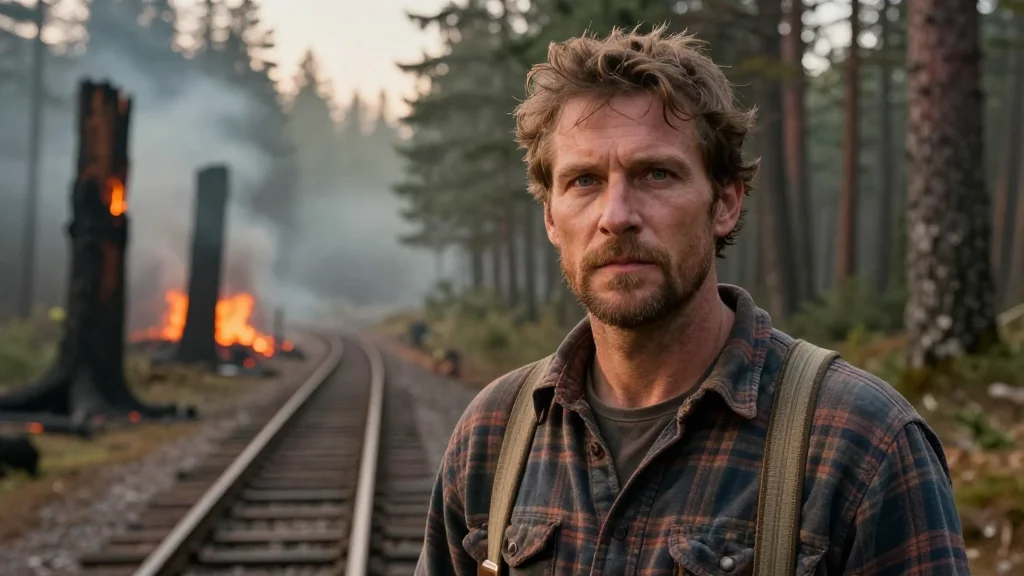
Train Dreams arrives at a moment when period dramas are vying for attention on both theatrical and streaming stages. Directed by a filmmaker known for visual ambition, the movie immerses viewers in the rugged Pacific Northwest, using natural light and lingering wide shots to capture the era’s stark beauty. By weaving the plight of Chinese railroad workers into the protagonist’s personal tragedy, the film attempts to comment on historical labor injustices while framing a broader meditation on progress and loss.
The artistic choices generate a polarized reception. Cinematographers and critics laud the film’s composition, noting how the interplay of fire, timber, and rail tracks creates a haunting visual palette. Performances, particularly the lead’s stoic portrayal, receive commendation for grounding the story’s melancholy tone. Yet many reviewers argue that the narrative’s heavy reliance on symbolism feels pretentious, sacrificing emotional resonance for intellectual posturing. This tension between aesthetic excellence and storytelling clarity fuels debate about the film’s place within the indie circuit.
From a business perspective, Train Dreams exemplifies the risk-reward calculus streaming services confront when acquiring niche indie titles. While high‑quality production values can attract cinephile subscribers, a story perceived as inaccessible may hinder broader viewer engagement, affecting retention metrics. Platforms must balance curating critically acclaimed content with ensuring that such films align with audience appetite for relatable narratives. Consequently, the film’s reception may influence future budgeting decisions, marketing spend, and the criteria used to evaluate the commercial viability of similarly ambitious period pieces.
Oscar Crawl #10: Train Dreams
Comments
Want to join the conversation?