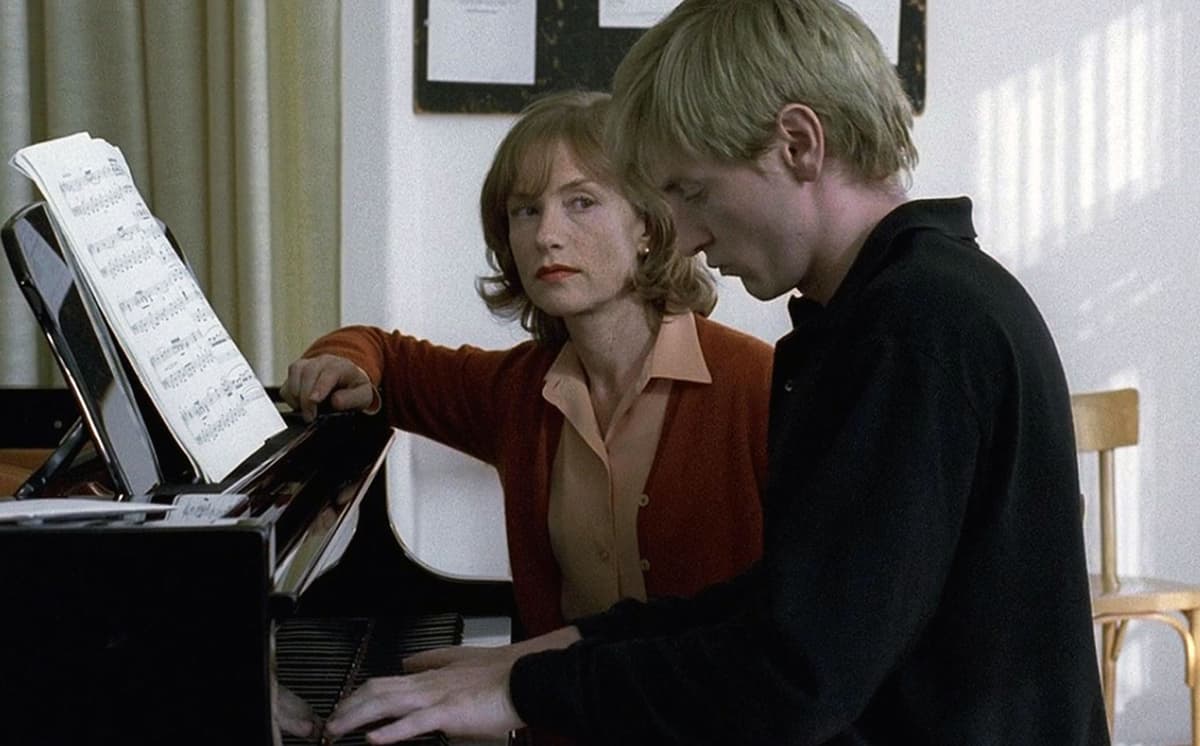
Key Takeaways
- •Haneke adapts Jelinek’s novel into austere 2001 Cannes winner
- •Isabelle Huppert earned Best Actress for portraying repressed piano teacher
- •Film explores sexual repression through sadomasochistic teacher‑student relationship
- •Critical acclaim stems from clinical direction and controlled performance style
- •Available for streaming on Criterion Channel, HBO Max, YouTube, Shout TV, Plex
Pulse Analysis
Michael Haneke’s The Piano Teacher arrived at Cannes in 2001 as a stark adaptation of Elfriede Jelinek’s Nobel‑prize‑winning novel. The Austrian director’s minimalist style strips away melodrama, letting the narrative’s unsettling psychology surface. Isabelle Huppert’s performance, honed through precise physicality and a detached emotional palette, earned her the Cannes Best Actress prize and cemented the film’s status as a touchstone of early‑2000s art cinema. Its stark visual language and deliberate pacing continue to influence filmmakers who seek to challenge audience expectations.
At its core, the film dissects the corrosive effects of obsessive pedagogy and sexual repression. Erika Kohut, a conservatory instructor, lives under an overbearing mother while channeling her own suppressed desires into self‑harm and voyeurism. The volatile relationship with prodigy Walter Klemmer becomes a conduit for exploring power dynamics, where dominance and submission blur into cruelty. Haneke’s clinical lens refuses to romanticize the characters, instead presenting their pathology as a mirror for broader societal constraints on female agency and artistic expression.
Decades after its debut, The Piano Teacher remains accessible through streaming services such as the Criterion Channel, HBO Max, YouTube, Shout TV, and Plex. This availability fuels renewed academic and critical interest, positioning the film as a case study in gender politics, auteur theory, and the ethics of representation. For contemporary audiences, the movie offers a provocative reminder that artistic excellence can coexist with personal devastation, prompting discussions about the responsibilities of educators, creators, and viewers alike.
Practice Makes Perfect in The Piano Teacher
Comments
Want to join the conversation?