“Profit Is the Only Principle”: How ‘Point Blank’ Presaged Our Current Moment
Why It Matters
By linking a classic film to current fiscal policy, the article shows how profit‑first ideologies erode public welfare, offering a cultural critique that resonates with workers facing rising costs and corporate power.
Key Takeaways
- •Point Blank’s “Profit is the only principle” echoes today’s corporate mindset.
- •Film’s $93,000 revenge plot highlights individual stakes against massive organizations.
- •President’s $152 million Alcatraz proposal illustrates budget priorities over social programs.
- •Walker’s betrayal reflects modern workers’ fight against profit‑driven institutions.
- •Boorman’s direction ties WWII trauma to contemporary financial violence.
Pulse Analysis
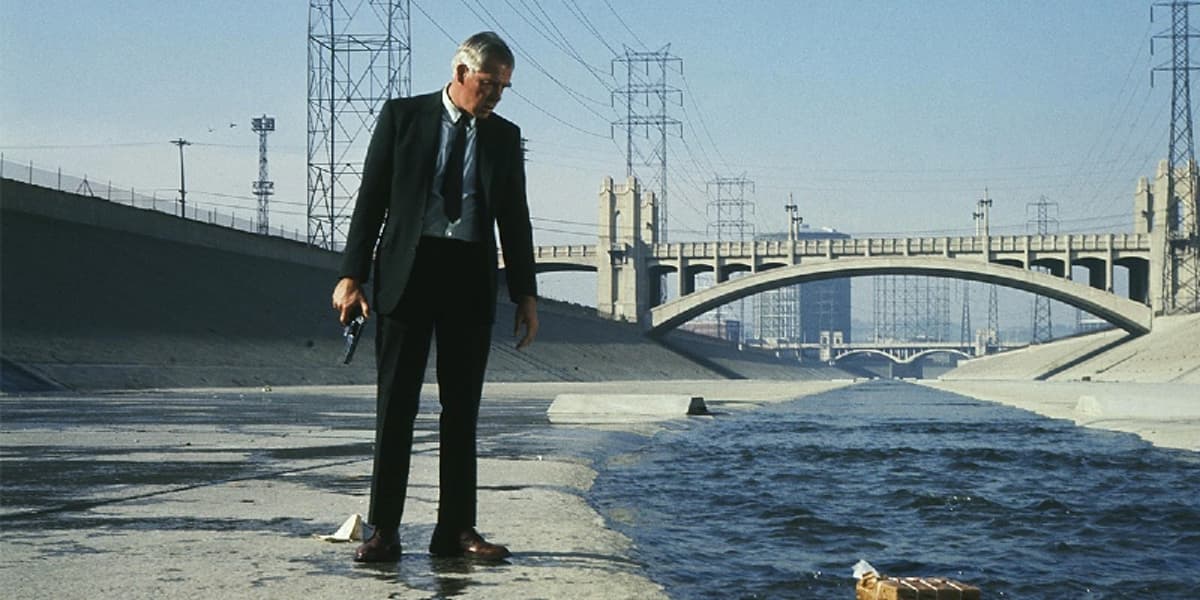
Point Blank remains a cinematic study of profit‑centric power structures. The film’s protagonist, Walker, navigates a labyrinthine organization that shuns accountability, echoing today’s corporate entities that prioritize bottom‑line results over human impact. The iconic line “Profit is the only principle” captures a mindset that has seeped from mid‑century crime dramas into modern boardrooms, where decisions are measured in dollars rather than dignity.
The timing of the recent screening—just after the president urged Congress for a $152 million Alcatraz reconstruction—highlights the clash between symbolic spending and neglected social programs. With the federal budget increasingly tilted toward military expansion, funds for Medicare, Medicaid, and childcare are squeezed, mirroring the film’s depiction of a system that sacrifices individual welfare for abstract gains. Walker’s quest for $93,000 becomes a metaphor for everyday Americans battling against institutions that value profit over basic needs.
Re‑examining Point Blank offers more than nostalgia; it provides a cultural lens to critique contemporary policy. Director John Boorman’s insight into trauma—rooted in Lee Marvin’s WWII experience—parallels today’s collective anxiety over financial violence and institutional indifference. By drawing connections between a 1960s neo‑noir and today’s fiscal debates, the film encourages viewers to question who truly benefits from profit‑first doctrines and to consider how art can illuminate the hidden costs of such ideologies.
“Profit is the Only Principle”: How ‘Point Blank’ Presaged Our Current Moment
Comments
Want to join the conversation?
Loading comments...