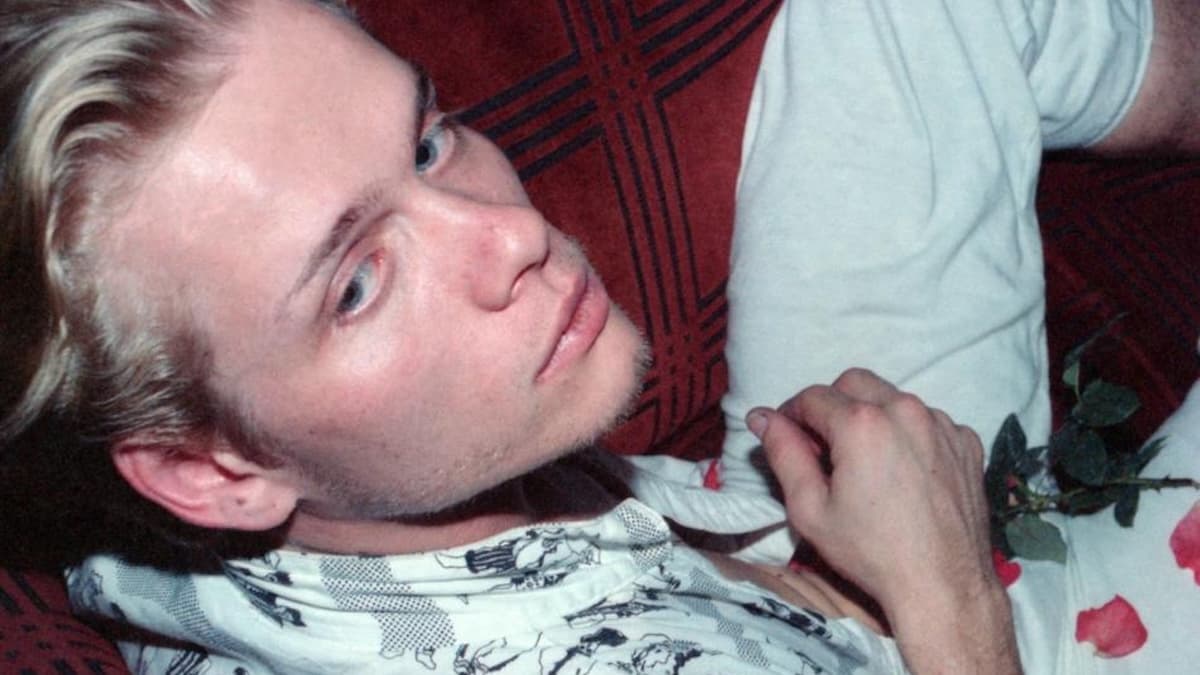
Rachel Mason Helps Solve Cold Case Murder Through New Documentary My Brother’s Killer
Why It Matters
The film shows how documentary storytelling can trigger law‑enforcement action, turning a decades‑old homicide into a solvable case, while preserving a marginalized LGBTQ narrative that is often omitted from mainstream history.
Key Takeaways
- •Documentary prompted LAPD to reopen 1990 murder case
- •Leads from podcast and adult film community revived investigation
- •Research uncovered killer after 36 years of archival digging
- •Film highlights gay culture resilience during AIDS crisis
- •Premiered at SXSW, raising awareness of underrepresented LGBTQ history
Pulse Analysis
True‑crime documentaries have become a powerful catalyst for reopening unsolved investigations, and Rachel Mason’s *My Brother’s Killer* is a vivid illustration. The film traces the 1986 murder of William “Billy London” Arnold Newton, a gay adult‑film creator whose death went cold for more than three decades. By mining old newspaper articles, VHS tapes, and personal testimonies, Mason built a timeline that attracted fresh public interest. A concurrent episode of *The Dinner Party Show* podcast amplified the story, prompting the Los Angeles Police Department to revisit the case and follow new leads, including an erroneous Jeffrey Dahmer suspect.
Beyond its investigative impact, the documentary serves as a cultural archive of the gay community during the height of the AIDS epidemic. Mason weaves Newton’s poetry and interviews with surviving friends to portray a vibrant, resilient subculture often omitted from mainstream histories. The film’s emphasis on personal creativity and collective solidarity offers viewers a nuanced portrait of a community navigating violence, loss, and artistic expression. By foregrounding LGBTQ voices, *My Brother’s Killer* contributes to a broader effort to document queer experiences that were historically silenced.
The project’s success at SXSW underscores the growing market for socially conscious true‑crime storytelling. Distributors and streaming platforms are increasingly seeking content that blends investigative rigor with underrepresented narratives, recognizing both audience appetite and the potential for real‑world outcomes. Mason’s approach—combining meticulous archival work with a personal connection to the subject—sets a benchmark for future filmmakers aiming to influence public policy or criminal justice. As more creators adopt this model, documentaries may become regular partners in cold‑case investigations, reshaping the relationship between media, law enforcement, and marginalized communities.
Rachel Mason Helps Solve Cold Case Murder Through New Documentary My Brother’s Killer
Comments
Want to join the conversation?
Loading comments...