Key Takeaways
- •LGBTQI+ refugees find safety in Guatemalan shelter
- •Film premiered at Thessaloniki Documentary Festival 2026
- •Director Adrián Silvestre highlights resilience and community
- •Charities fund shelters offering emotional support
- •Documentary mixes reconstructed scenes with daily life footage
Summary
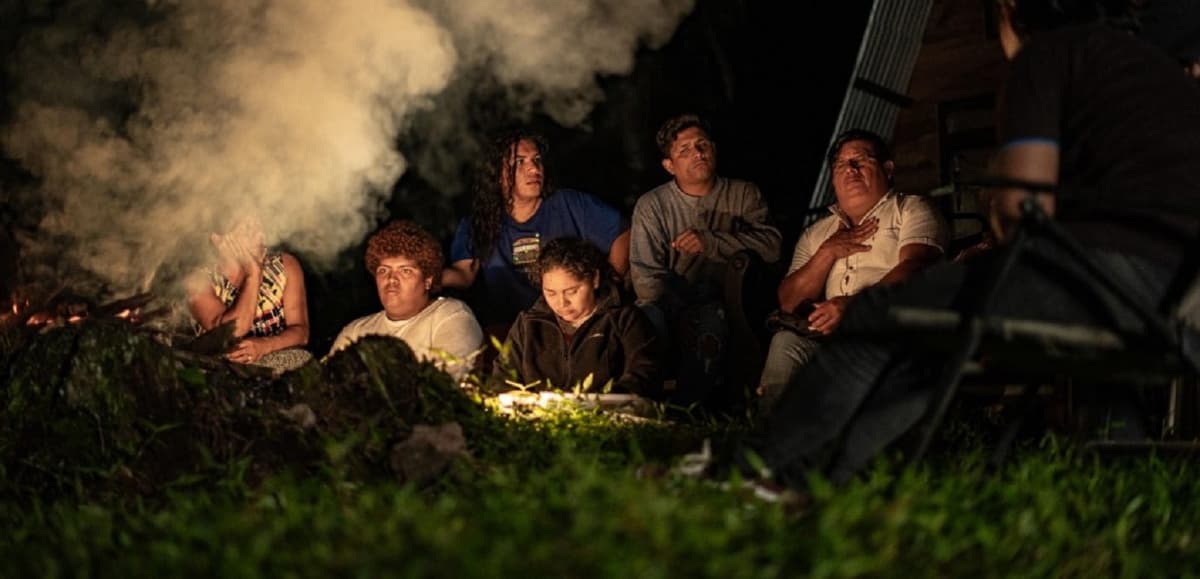
Spanish filmmaker Adrián Silvestre’s documentary *Shelter* follows four LGBTQI+ refugees from Colombia and Venezuela who, after being turned away by U.S. immigration, find a haven in a Guatemalan shelter. The film, which debuted in the Open Horizons section of the 2026 Thessaloniki Documentary Festival, blends reconstructed arrival interviews with intimate day‑to‑day moments, including communal meals and a makeshift Miss Universe contest. Through candid testimonies, the documentary portrays the residents’ struggle against past trauma while celebrating the shelter’s role as a supportive, charity‑backed community that enables them to rebuild their identities. Silvestre’s empathetic approach aims to raise global awareness of the vital need for safe spaces for displaced queer individuals.
Pulse Analysis
The global refugee crisis increasingly intersects with LGBTQI+ rights, as queer individuals fleeing persecution often encounter hostile immigration systems. In the United States, stringent entry policies have left many asylum seekers stranded, prompting secondary migration routes to neighboring countries like Guatemala. Shelters that cater specifically to LGBTQI+ populations provide not only physical protection but also a rare space for identity affirmation, mental health support, and community building, addressing gaps left by mainstream humanitarian aid.
*Shelter* leverages a hybrid storytelling model that combines reconstructed interview segments with observational footage of everyday life. This approach immerses viewers in the protagonists’ routines—shared meals, spontaneous contests, and quiet moments of reflection—while preserving narrative clarity about their past traumas. Premiering at the Thessaloniki Documentary Festival’s Open Horizons section, the film gains credibility among international distributors and festival programmers, positioning it as a catalyst for broader discourse on queer refugee experiences. Critics note that Silvestre’s unobtrusive camera work and empathetic direction avoid sensationalism, instead fostering authentic connection between audience and subjects.
Beyond artistic merit, the documentary serves as advocacy, spotlighting the essential role of charitable organizations that fund and operate inclusive shelters. By documenting tangible outcomes—improved well‑being, renewed hope, and community resilience—the film provides evidence for policymakers and donors to allocate resources toward similar initiatives. As climate change and political instability drive more displacement, the model presented in *Shelter* offers a scalable blueprint for integrating LGBTQI+ considerations into humanitarian response, urging stakeholders to prioritize safety, dignity, and belonging for all refugees.
Comments
Want to join the conversation?