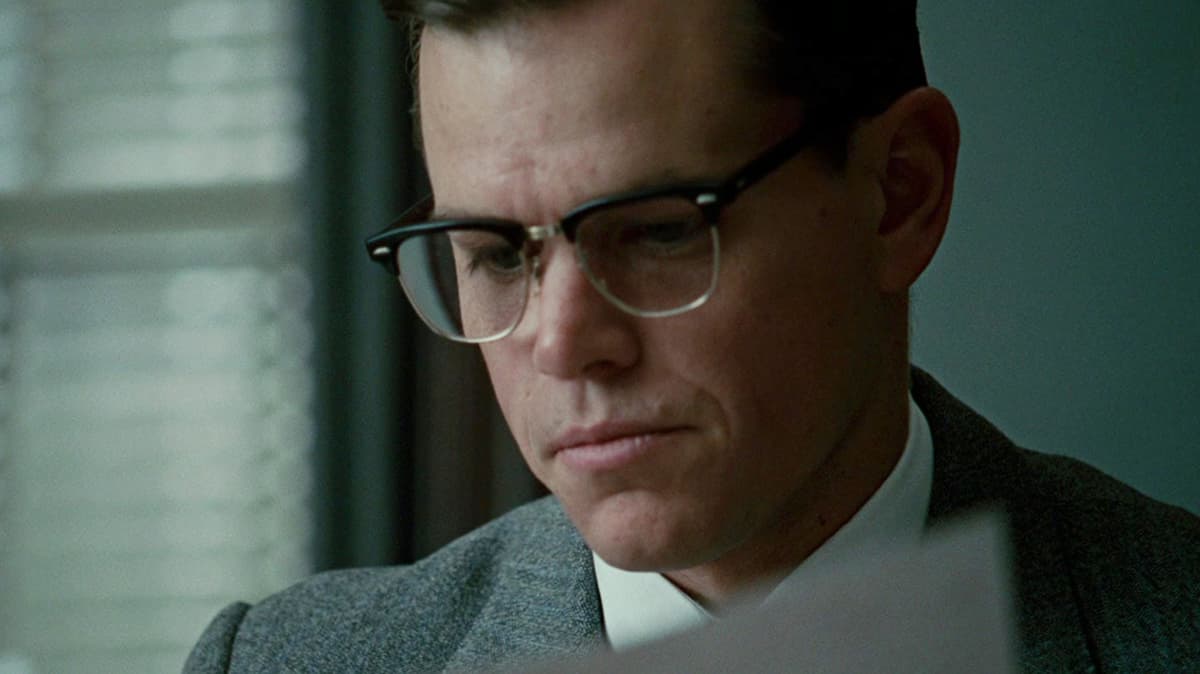
Robert De Niro And Matt Damon Teamed Up For This Slow Burn '60s-Set Spy Thriller
Why It Matters
The film showcases De Niro’s evolution from actor to director and adds a contemplative, character‑driven entry to a genre dominated by spectacle, influencing how studios approach espionage narratives.
Key Takeaways
- •De Niro directed *The Good Shepherd* (2006) starring Damon and Jolie
- •Story tracks a CIA mole from Bay of Pigs to Cold‑War intrigue
- •Mixed critical response; performances praised, pacing critiqued
- •Offers a slow‑burn, bureaucratic view of spy work
- •Highlights De Niro’s shift toward serious, character‑focused directing
Pulse Analysis
The early 2000s witnessed a surge of high‑budget spy franchises, from *Mission: Impossible III* to *Casino Royale*. Amid this flash‑filled landscape, Robert De Niro opted for a markedly different approach with *The Good Shepherd*. Drawing on his experience as an actor in classic thrillers, De Niro crafted a narrative that privileges internal conflict over explosive set pieces, anchoring the plot in the real‑world tension of the Bay of Pigs and the nascent CIA. This strategic choice positions the film as a counterpoint to its contemporaries, appealing to viewers seeking depth over spectacle.
Matt Damon’s portrayal of Edward Wilson provides the emotional core that sustains the film’s deliberate pacing. By embedding personal sacrifice within the broader geopolitical chess game, Damon transforms a script that occasionally falters into a study of loyalty and paranoia. Supporting performances from Angelina Jolie, Joe Pesci and John Turturro reinforce the atmosphere of institutional opacity, while Eric Roth’s screenplay weaves historical events with fictional intrigue. The result is a layered depiction of espionage bureaucracy that resonates with audiences familiar with the moral ambiguities of intelligence work.
Although *The Good Shepherd* did not achieve blockbuster status, its influence persists in the genre’s evolution toward more nuanced storytelling. Modern spy dramas increasingly explore the psychological toll on operatives, a trend that can trace roots back to De Niro’s measured direction. For industry professionals, the film serves as a case study in balancing star power with thematic ambition, demonstrating that a well‑executed, character‑driven spy thriller can still find relevance in a market saturated with action‑heavy fare.
Robert De Niro And Matt Damon Teamed Up For This Slow Burn '60s-Set Spy Thriller
Comments
Want to join the conversation?
Loading comments...